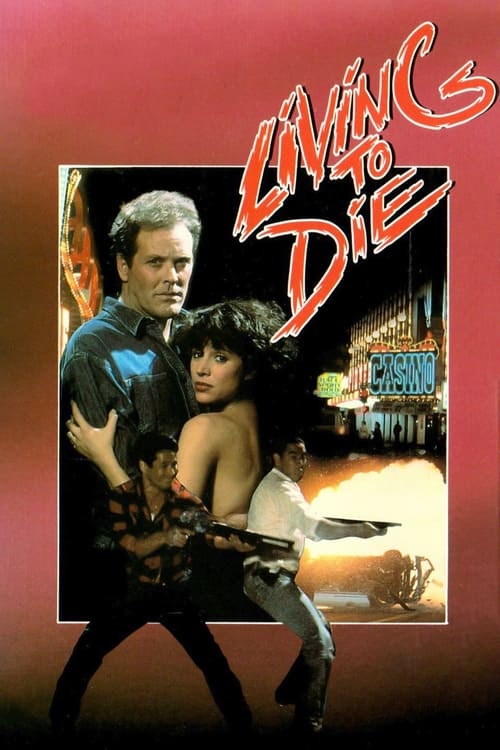
Living To Die
1990
No user ratings available yet
Representation score: 2.1 out of 10
Representation Score
Minimal
1991
RDirector
Wings Hauser
Runtime
95 minutes
Average Rating
No ratings yetNew Showbiz Analysis
The Art of Dying is a standard 1990s crime thriller that prioritizes suspense and individual morality over social complexity. It relies heavily on established genre clichés, particularly regarding gender roles and institutional authority. The narrative structure follows a traditional detective procedural. The stakes are driven by personal connections and the danger posed to a romantic partner, rather than any attempt to challenge social hierarchies. Ultimately, the film reflects the temporal context of its era. It lacks the intentionality needed to disrupt conventional clichés or provide multi-layered character depth, focusing instead on a predatory antagonist and a standard law enforcement protagonist.
Category Breakdown
The film centers on a heterosexual relationship between the detective and his girlfriend. It does not include any non-cisgender identities or narratives that challenge the assumption that everyone is straight.
The story follows a conventional framework where a male detective leads the investigation. Female characters tend to be passive recipients of danger rather than active participants.
The narrative does not suggest a diverse or non-Anglo-Saxon majority cast. It aligns with the era's standard of limited racial visibility and homogeneous casting patterns.
The film emphasizes a traditional moral binary between an evil antagonist and law enforcement. It reinforces established legal institutions without critiquing Western structures.
There is no mention of characters with visible or invisible disabilities within the film's context.
Present on Screen
Limited or Absent
Official Synopsis
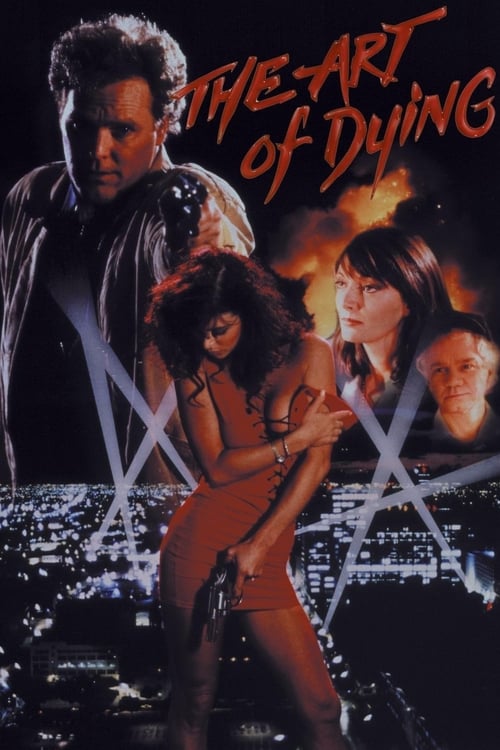
A cinematographer and his assistant are attracting aspiring young actors and actresses by getting them to try out for their movie. Once filming, the evil cameraman actually kills them. The detective on the case has his hands full trying to help out runaways with stars in their eyes. When some of the people he knows turn up dead, he takes it personally, and as he gets closer to the truth his girlfriend is endangered.
1990

1984
1997

1989
1960
1984
1992

2000
No reviews yet. Be the first to share your thoughts on this movie!
Use the rating form above to leave a star rating and optional review.