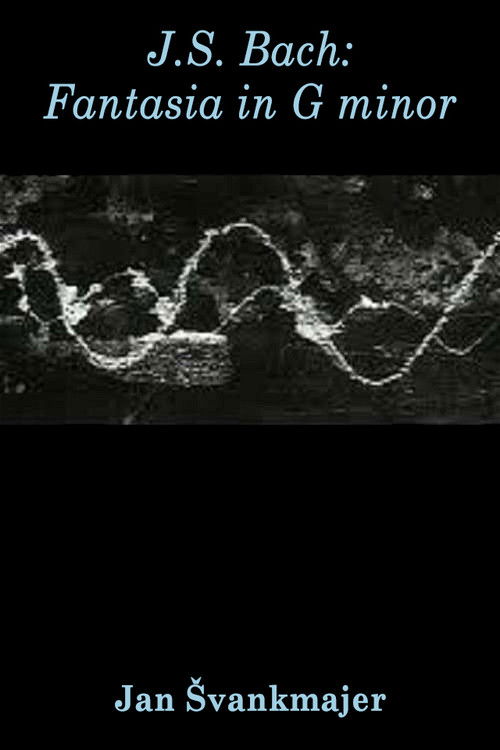
J.S. Bach: Fantasia in G minor
1965
No user ratings available yet
Diversity score: 1.1 out of 10

1967
Director
Jan Švankmajer
Runtime
8 minutes
Average Rating
No ratings yetSynopsis
A small, animated figure learns how to use a whip, a pair of wings and a house.
Overall Score
Minimal
Category Breakdown
LGBTQ+ Representation
The film lacks any depiction of gender identity or sexual orientation. The narrative focuses strictly on the kinetic manipulation of objects rather than interpersonal romantic dynamics.
Gender Representation
There is an absence of human or anthropomorphic characters. The film does not engage with or reinforce traditional gender hierarchies or domestic roles.
Racial & Ethnic Diversity
The cast consists of inanimate organic matter and mechanical elements. There is no presence of racial or ethnic identity within this abstract visual language.
Religious & Cultural Diversity
The film offers a subtle critique of systemic structures through the mechanical processing of organic matter. It prioritizes a non-linear morality over traditional Western storytelling structures.
Disability Representation
The film does not feature characters with physical or neurodivergent identities. The focus remains on the transformation of matter rather than sentient experiences.
Strengths
Areas for Improvement
AI Analysis
Et cetera is a surrealist stop-motion animation that operates in an abstract space. Because the film centers on the manipulation of inanimate objects and organic matter, it lacks the human agency necessary for traditional demographic representation. The work functions as a formalist subversion of cinematic structure. It explores themes of industrialization and consumerist cycles through mechanical repetition rather than through character-driven social narratives. Ultimately, the film's focus on the kinetic movement of objects precludes any engagement with intersectional identities or social inclusivity.
1965

1967
1964
1969
1968
1966
1971

1965

1983

1990

1968
1972
No reviews yet. Be the first to share your thoughts on this movie!
Use the rating form above to leave a star rating and optional review.