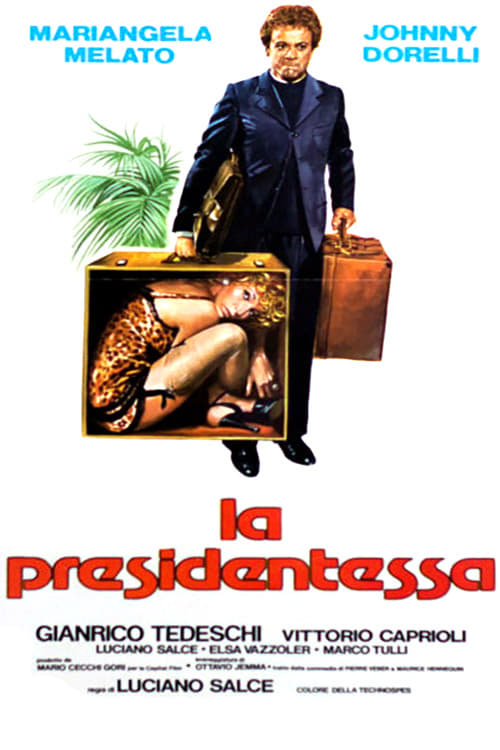
La Presidentessa
1977
No user ratings available yet
Representation score: 3.9 out of 10
Representation Score
Fair
1970
Director
Marcello Fondato
Runtime
0 minutes
Average Rating
No ratings yetNew Showbiz Analysis
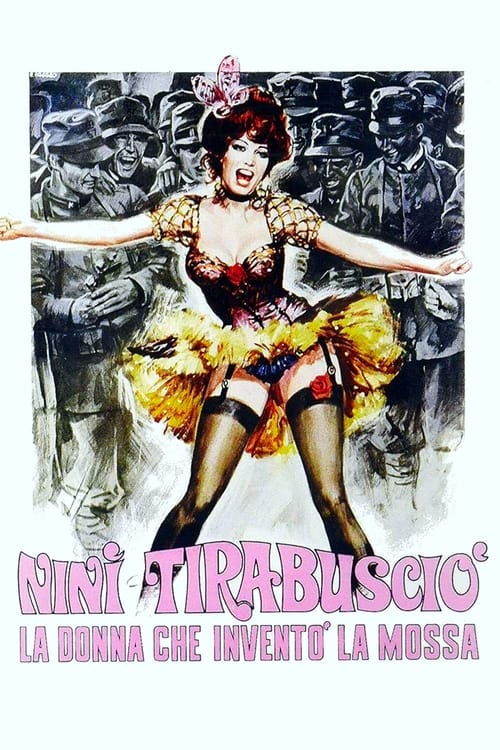
This period comedy focuses on the subversion of social norms through the lens of a female performer. Its primary contribution to diversity is the depiction of women's ability to drive the story and bodily autonomy in a restrictive historical era. However, the film lacks multi-layered depth. The setting is demographically narrow, and there is no evidence of LGBTQ+ representation or disability inclusion, limiting the narrative's scope to gender-based social transgression.
Category Breakdown
The film does not explicitly confirm any LGBTQ+ characters or non-straight relationships. While the protagonist's behavior is considered scandalous, it is unclear if this includes any queer themes.
The story revolves around a female protagonist who asserts her professional independence through singing and dancing. Her 'raunchy' performances challenge the restrictive social hierarchies of the Umberto I era.
Set in Monza, Italy, the film appears to have a homogeneous demographic. There is no indication of non-white actors or diverse ethnic representation within this specific historical context.
The narrative critiques the rigidity of Italian social and moral codes. It explores the tension between individual expression and the traditional institutions of the monarchy and religious decorum.
There is no documented evidence regarding the inclusion or portrayal of characters with visible or invisible disabilities.
Present on Screen
Limited or Absent
Official Synopsis
Comedy set at the time of King Umberto I of Monza (Italy) about Maria Sarti, aka Ninì Tirabusciò, actress/singer who caused a scandal with her raunchy dancing.
1977
1981
1970
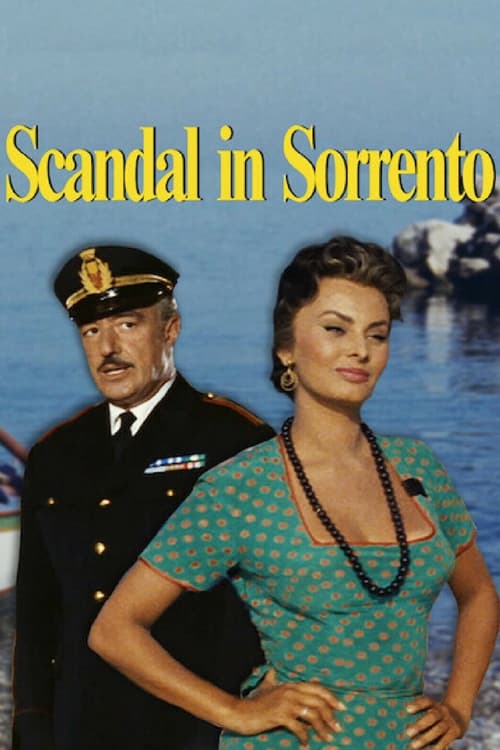
1955

1976
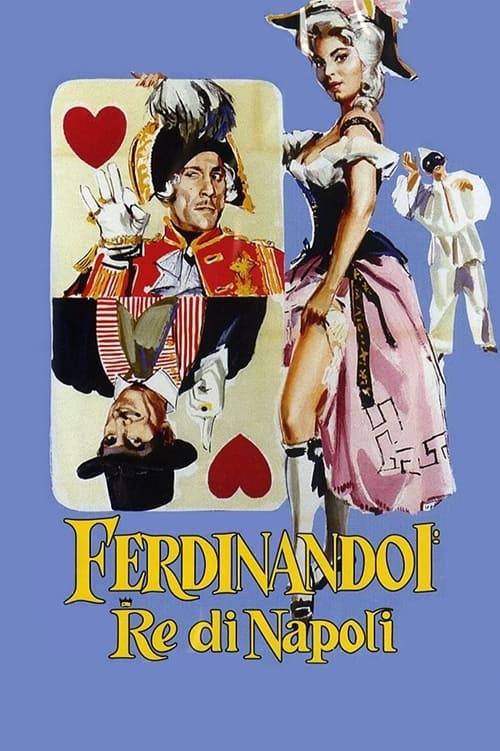
1959
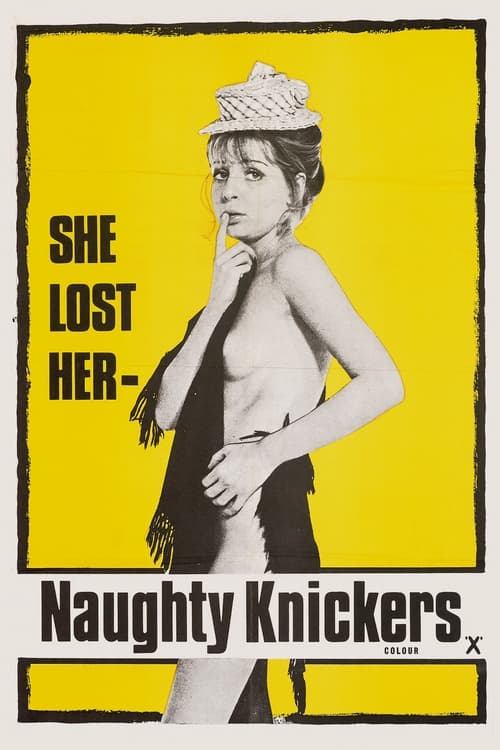
1970
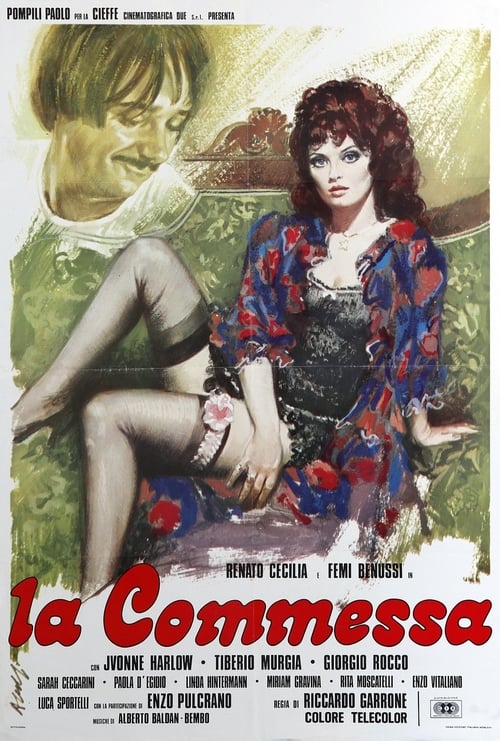
1975
No reviews yet. Be the first to share your thoughts on this movie!
Use the rating form above to leave a star rating and optional review.