Totò Story
1968
No user ratings available yet
Representation score: 3.4 out of 10
Representation Score
Limited
1970
Director
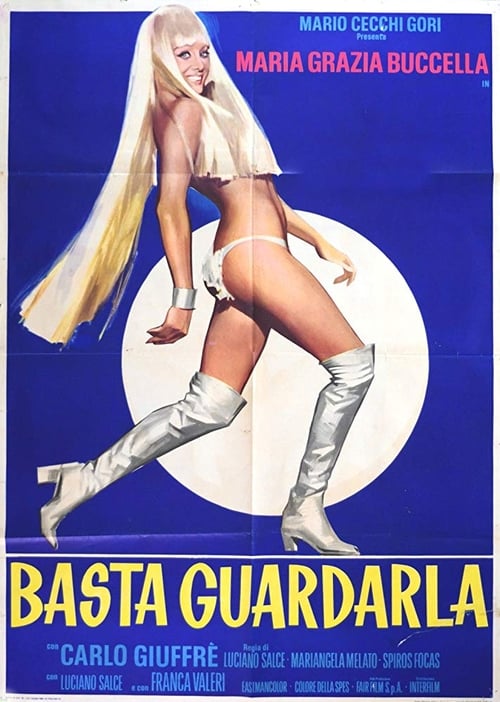
Luciano Salce
Runtime
106 minutes
Average Rating
No ratings yetNew Showbiz Analysis
Luciano Salce’s comedy operates within the traditional frameworks of 1970s Italian cinema. While the film centers on a female protagonist, it largely adheres to established genre expectations rather than challenging them. The narrative focuses on class movement and social mobility through dance. This approach tends to reinforce existing social hierarchies rather than offering a progressive critique of institutional or racial structures. Ultimately, the film reflects the demographic and social homogeneity of its era, prioritizing traditional character arcs over diverse representation.
Category Breakdown
The film lacks explicit LGBTQ+ characters or narratives. The focus on a peasant girl's journey suggests a traditional arc centered around conventional romantic pursuits.
Enrichetta provides a central female presence, offering a baseline for women's ability to drive the story. However, the dance troupe setting often relies on clichés of female performativity and spectacle.
The setting reflects the demographic homogeneity of 1970s regional Italian comedy. There is no evidence of a multi-ethnic cast or diverse cultural representation.
The story explores the tension between rural peasant life and modern performance. It focuses on class-based upward mobility rather than disrupting social structures.
There is no documented evidence regarding the inclusion or portrayal of characters with physical or neurodivergent disabilities.
Present on Screen
Limited or Absent
Official Synopsis
Enrichetta, a young peasant girl who lives in a little village, joins Silver Boy as a dancer.
1968

1996
1974

1980
1975
1967
1971
1964
No reviews yet. Be the first to share your thoughts on this movie!
Use the rating form above to leave a star rating and optional review.