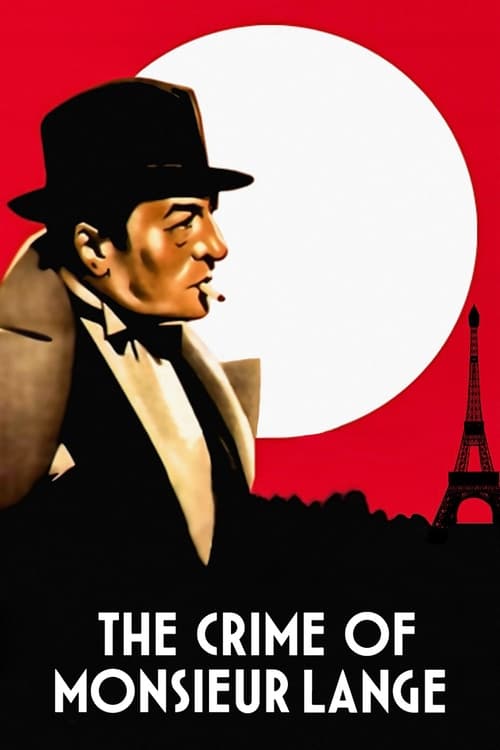
The Crime of Monsieur Lange
1936
No user ratings available yet
Representation score: 2.9 out of 10

Representation Score
Good
1936
Not RatedDirector
Jean Renoir
Runtime
92 minutes
Average Rating
No ratings yetNew Showbiz Analysis
Jean Renoir’s adaptation of Gorky’s work is a masterful exploration of social realism. It dismantles rigid class hierarchies and humanizes those living on the margins of society. The film finds dignity in the struggles of the underrepresented. However, the film lacks modern markers of diversity such as racial diversity and LGBTQ+ representation. This omission restricts its scope within a contemporary framework of identity. Ultimately, the film’s strength lies in its critique of capitalism and formal authority. It presents a situational ethics born of existential necessity, replacing institutional morality.
Category Breakdown
The film focuses on the survivalist dynamics of working-class individuals. It does not include any explicit depictions of non-traditional gender identities or same-sex relationships.
Characters like Vassilissa and Natacha are portrayed as active participants in power struggles rather than being confined to traditional domestic roles. The film emphasizes their psychological depth and ability to act.
The film depicts a relatively homogeneous group within a specific 1930s European context. It focuses on class-based exclusion rather than showcasing diverse racial backgrounds.
The film critiques traditional Western institutions by focusing on a community of outcasts. Survival is shown as a necessity that surpasses conventional morality.
The film highlights the social challenges faced by the destitute. Characters exhibit physical and mental exhaustion due to systemic exclusion.
Present on Screen
Limited or Absent
Official Synopsis
Inhabitants of a flophouse struggle to survive under the harsh treatment imposed by the landlord, Kostyleva. One resident, young thief Wasska Pepel, ends his affair with the landlord's wife, Vassilissa, and takes up with her sister, Natacha. Pepel also befriends the baron, a former nobleman fallen on hard times, but Pepel's attempts at happiness are complicated when he's accused of murder by a spiteful Vassilissa.
1936
1931

1960

1949
1925
1937
1940

1958
No reviews yet. Be the first to share your thoughts on this movie!
Use the rating form above to leave a star rating and optional review.