Mountain of Wrath
1968
No user ratings available yet
Representation score: 4.5 out of 10
Representation Score
Limited
1951
Director
Yuli Raizman
Runtime
112 minutes
Average Rating
No ratings yetNew Showbiz Analysis
Dream of a Cossack is a culturally specific work that replaces individualistic Western values with a focus on collective social utility. It succeeds in providing a rich sense of Ukrainian identity through its setting and folk traditions. However, the film remains socially conservative. It adheres to strict assumptions that everyone is straight or cisgender and traditional gender roles, offering little room for non-traditional identities or deconstructed masculinity. Ultimately, the film's strength lies in its ideological structure, framing success through communal contribution rather than the 'self-made man' cliché.
Category Breakdown
The film follows traditional mid-20th-century romantic structures focused on heterosexual relationships and does not include any representation of LGBTQ+ identities or non-assuming gender matches what was assigned at birth narratives.
Female characters play key roles in driving the romantic tension and comedic misunderstandings, but they largely adhere to established gender clichés that reinforce traditional 1950s gender hierarchies.
The film highlights Ukrainian ethnic identity through regional folk music and traditional costumes, providing meaningful representation of a specific heritage within the Soviet context.
The narrative prioritizes secular, state-oriented goals over religious institutions, emphasizing communal progress and the dismantling of class hierarchies through collective industrial advancement.
There is no focus on physical or neurodivergent representation within the narrative.
Present on Screen
Limited or Absent
Official Synopsis
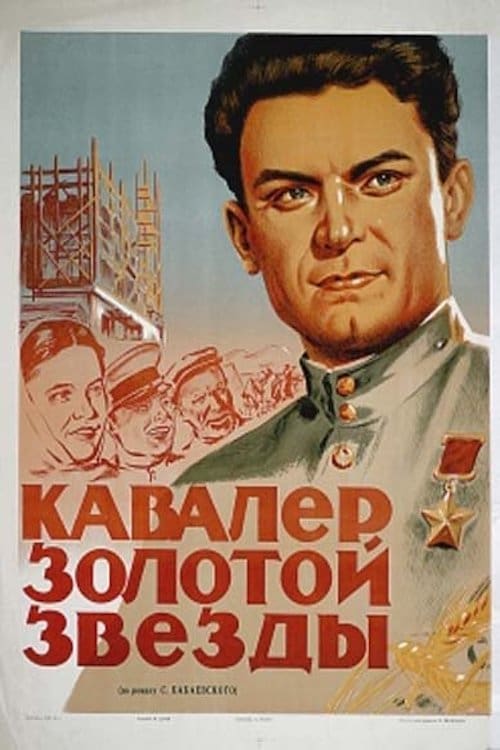
Soviet filmmaker Yuri Raisman once more combines political dogma with solid entertainment values in Dream of a Cossack (aka Cavalier of the Golden Star). The title character, played by future director Sergei Bondarchuk (and billed for obscure reasons as Semyon Bondarchuk), is an ex-soldier who returns home to the Kuban region, there to take up life as a farmer. Instead, he galvanizes the local citizenry into participating in a massive construction project, which will result in a new power station and canal. Thus does Raisman offer an prime example of Russian collectivism while making it seem as though it had sprung from individual initiative. Dream of a Cossack is based on a popular novel by S. Babayefsky.
1968
1930
1958
1929
1956
1969
1958
1969
No reviews yet. Be the first to share your thoughts on this movie!
Use the rating form above to leave a star rating and optional review.