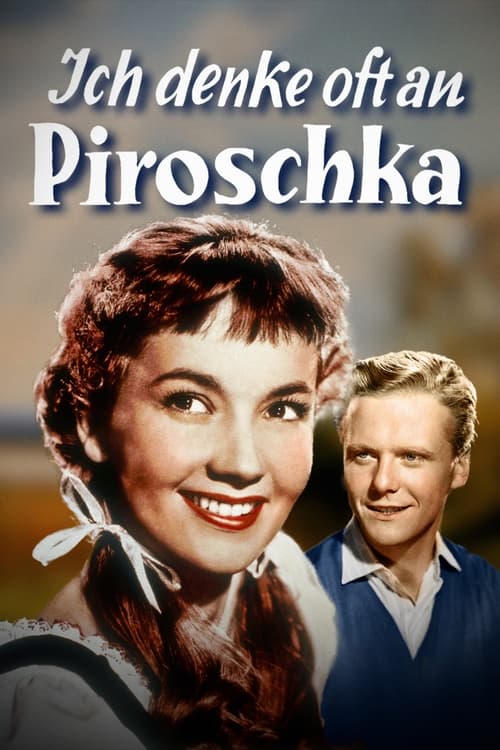
I Often Think of Piroschka
1955
No user ratings available yet
Representation score: 1.1 out of 10
Representation Score
Minimal
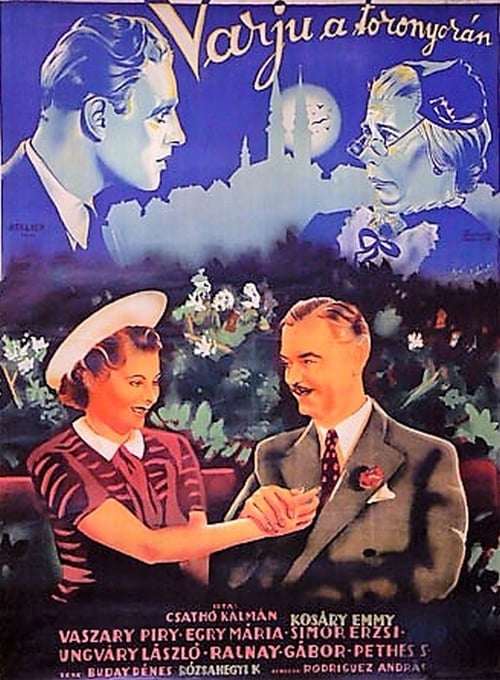
1938
ApprovedDirector
Endre Rodriguez
Runtime
79 minutes
Average Rating
No ratings yetNew Showbiz Analysis
Crow On the Tower is a period-specific romantic drama that adheres closely to the social and storytelling norms of 1938. The plot revolves around a young woman's pursuit of an older widower, a dynamic that, while giving the female lead a significant role, remains within conventional romantic frameworks. The film lacks diversity in terms of racial, ethnic, or LGBTQ+ representation, reflecting the likely homogeneous setting of Budapest during this era. The narrative appears to reinforce established social orders rather than deconstructing them. Ultimately, the film serves as a standard romantic tale of its time, lacking the modern complexities or subversions required for a higher diversity score.
Category Breakdown
The film focuses on a romantic pursuit between a schoolgirl and a widower. There are no visible LGBTQ+ identities or narratives that challenge the assumption that everyone is straight or cisgender.
Lenke takes a leading role by actively pursuing her romantic interest. However, the story follows traditional romantic clichés common to the 1930s without challenging gender hierarchies.
Set in Budapest, the film likely reflects the homogeneous social landscape of 1938 Hungary. No non-white or diverse ethnic cast members are indicated.
The narrative centers on local estate and neighborhood dynamics. It functions as a traditional drama without engaging with or critiquing religion, capitalism, or Western institutions.
The story contains no mention of characters with visible or invisible disabilities. No assessment of disability representation is possible.
Present on Screen
Limited or Absent
Official Synopsis
Lenke, a schoolgirl in Budapest, is in love with László, a middle-aged widower, owner of the estate in the neighbourhood of her own country home. She secretly follows him in Budapest, and they finally meet.
1955
1938
1957
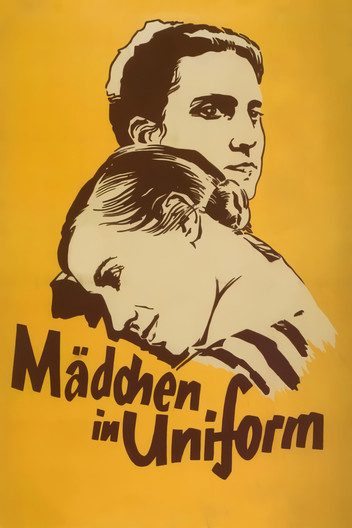
1931
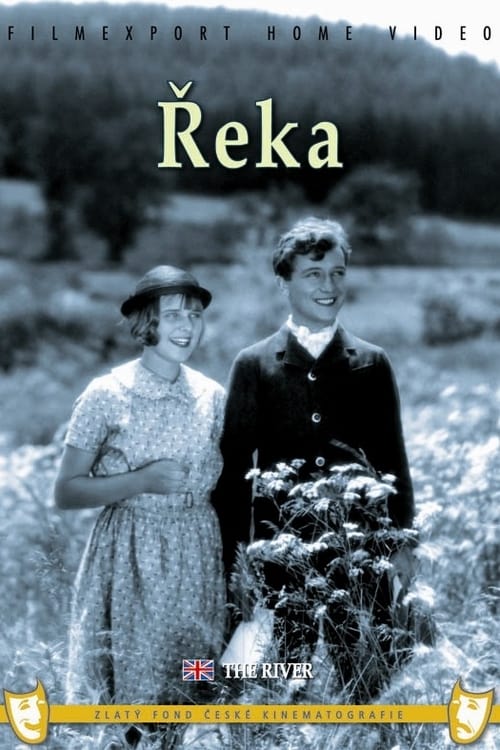
1933
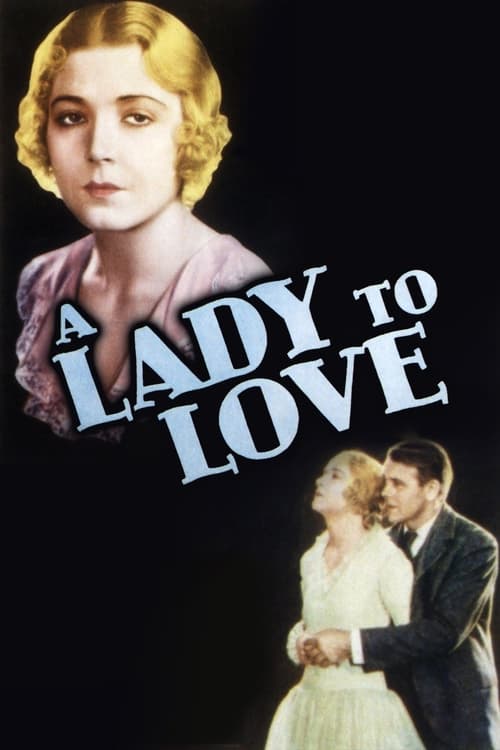
1930

1965
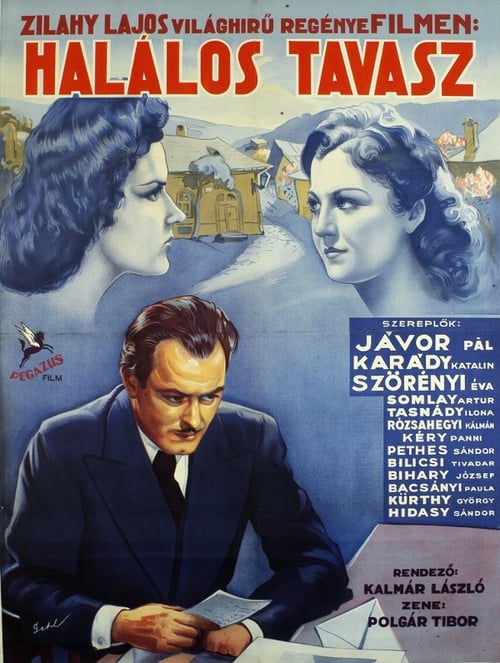
1939
No reviews yet. Be the first to share your thoughts on this movie!
Use the rating form above to leave a star rating and optional review.