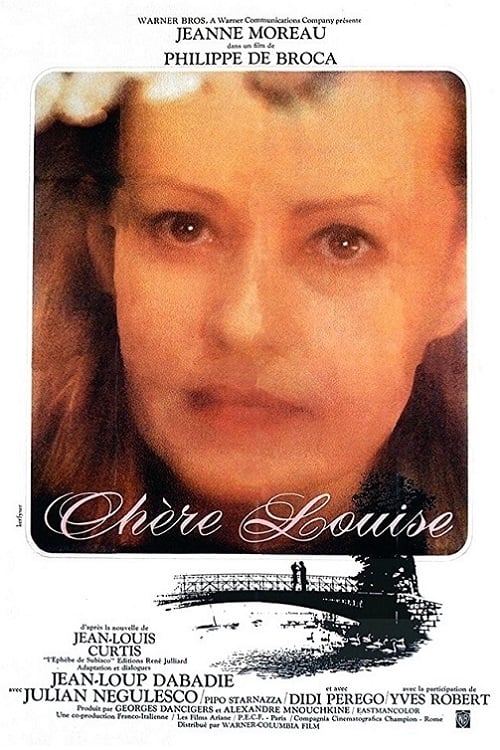
Dear Louise
1972
No user ratings available yet
Representation score: 5.9 out of 10

Representation Score
Limited
1957
Director
Helmut Käutner
Runtime
96 minutes
Average Rating
No ratings yetNew Showbiz Analysis
Monpti distinguishes itself by placing an Egyptian cast and setting at the forefront, challenging the Eurocentric norms prevalent in mid-century cinema. Through its exploration of the social dynamics and class struggles of the peasantry, the film offers a rich cultural commentary. However, the narrative remains tied to the romantic and gendered conventions of the 1950s. This adherence to traditional structures limits its ability to fully subvert social hierarchies. Overall, the film excels in depicting class conflict and socioeconomic disparities, but it falls short in representing diverse identities and disabilities.
Category Breakdown
The film focuses on a traditional romance between a male and a female character. There is no indication of queer relationships or non-straight identities.
The story revolves around a typical romantic relationship of the late 1950s. Although the female character has a significant role, the narrative follows conventional gender roles.
By setting the story in Egypt and featuring an Egyptian cast, the film challenges the Eurocentric perspective common in mid-century cinema. It provides a detailed look at the social dynamics and class structure of the time.
The film examines the tension between traditional village life and modern influences. It highlights the rigid social hierarchy through the lens of class conflict.
There are no significant portrayals of physical or cognitive disabilities that play a central role in the narrative.
Present on Screen
Limited or Absent
Official Synopsis
A poor Hungarian artist falls in love with a wealthy mysterious Parisian girl.
1972

1938

1940

1964
1956

1939

1946
1933
No reviews yet. Be the first to share your thoughts on this movie!
Use the rating form above to leave a star rating and optional review.