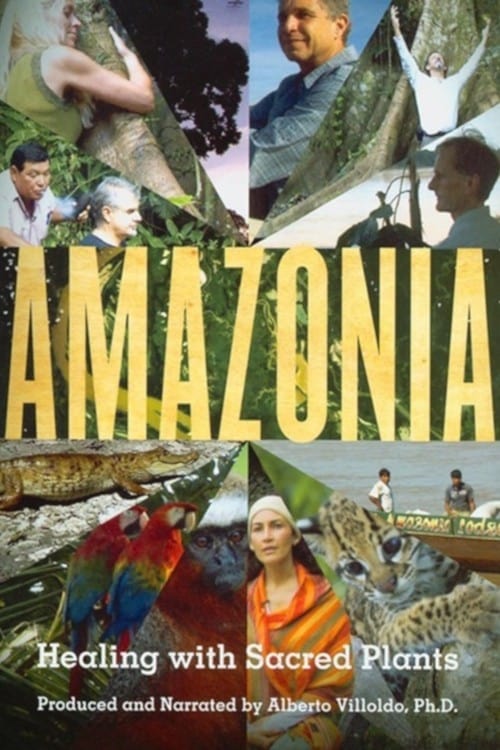
Amazonia: Healing with Sacred Plants
2015
No user ratings available yet
Representation score: 6.4 out of 10
Representation Score
Fair
2006
TV-GAverage Rating
No ratings yetNew Showbiz Analysis
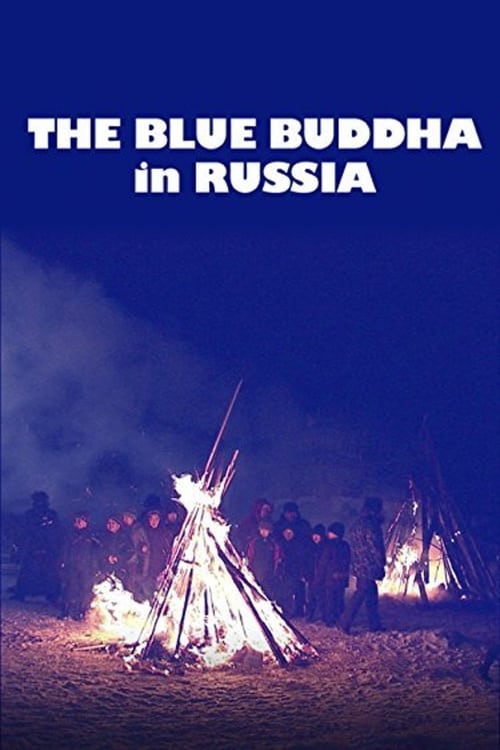
The film excels as a piece of cultural pluralism by highlighting Tibetan medical history. It successfully challenges the dominance of Western scientific thought by validating ancient, ritualistic knowledge systems and non-Western medical traditions. However, the documentary remains neutral towards contemporary identity politics. It does not engage with LGBTQ+ themes or gender-based narrative tension, focusing instead on historical and ethnographic subjects. Ultimately, the work's strength lies in its ability to challenge conventional scientific history through a lens of cultural diversity, even while it avoids individual character-driven social commentary.
Category Breakdown
The documentary does not include any LGBTQ+ characters or narratives. It focuses on historical medical practices rather than personal identity issues.
The film emphasizes historical medical traditions rather than individual character development. It does not provide specific information about gender roles or challenges to gender hierarchies.
The production highlights Tibetan medical systems and non-Western perspectives, challenging the dominance of Western medical history through a diverse historical lens.
The narrative supports ancient, ritual-based medicinal practices and promotes a variety of knowledge systems. It prioritizes traditional, spiritual approaches over purely scientific ones.
While the film examines the relationship between the mind and the body, it does not specifically address the portrayal of individuals with disabilities or neurodivergence.
Present on Screen
Limited or Absent
Official Synopsis
Twelve hundred years ago the people of Tibet developed a comprehensive medical system. They understood how the mind can powerfully affect the body. They knew subtle ways of changing the body¹s chemistry with medicines made from plants and minerals. They blessed their medicines in lengthy rituals. And they encoded this knowledge in a series of elaborate paintings.
2015
2013
2013
2015
1986
2001
2002
2011
No reviews yet. Be the first to share your thoughts on this movie!
Use the rating form above to leave a star rating and optional review.