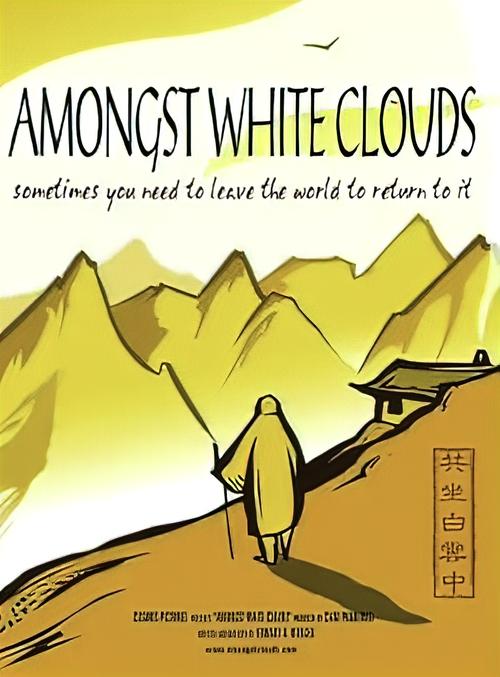
Amongst White Clouds
2005
No user ratings available yet
Representation score: 5.3 out of 10
Representation Score
Limited
2002
Runtime
77 minutes
Average Rating
No ratings yetNew Showbiz Analysis
The documentary succeeds as an ethnographic tool that elevates non-Western ethnic and spiritual perspectives. By granting access to reclusive Tibetan monks, it effectively de-centers Western hegemony and provides a platform for Eastern philosophical frameworks. However, the film's narrow focus on monastic life results in a lack of gender and LGBTQ+ diversity. The narrative structure adheres to traditional religious hierarchies, offering little to no representation of women's ability to drive the story or queer identities. Ultimately, the film is a study in cultural visibility, though it lacks social subversion regarding gender.
Category Breakdown
The documentary does not include any LGBTQ+ characters or narratives. It focuses solely on established monastic traditions and religious roles.
The film centers on male-dominated religious hierarchies. It reinforces traditional monastic structures without giving much attention to women's ability to drive the story or challenging patriarchal roles.
The work provides significant visibility to a non-Western demographic. It disrupts the Western-centric gaze by prioritizing the perspectives of Tibetan practitioners.
The film promotes non-Western spirituality and challenges Western ways of knowing. It centers Tibetan philosophy and ancient practices outside of Western secular paradigms.
There is no evidence that disability or neurodivergence are central themes. The narrative does not use physical impairment as a plot device.
Present on Screen
Limited or Absent
Official Synopsis
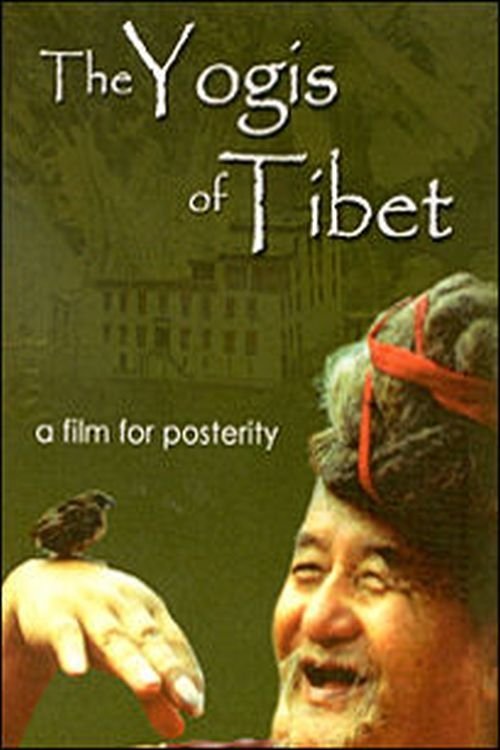
For the first time, the reclusive and secretive Tibetan monks agree to discuss aspects of their philosophy and allow themselves to be filmed while performing their ancient practices.
2005

2016
1989

2021
2002
2004
2016
2010
No reviews yet. Be the first to share your thoughts on this movie!
Use the rating form above to leave a star rating and optional review.