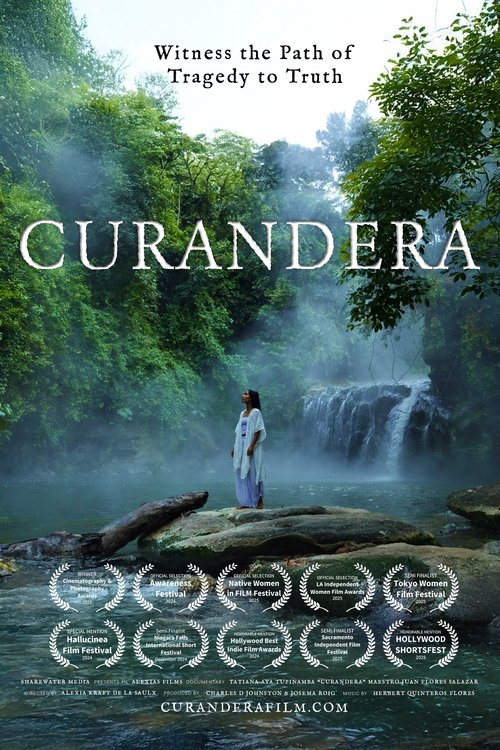
Curandera
2025
No user ratings available yet
Representation score: 6.6 out of 10
Representation Score
Good
2015
TV-GDirector
Miguel Heded Abraham
Runtime
67 minutes
Average Rating
No ratings yetNew Showbiz Analysis
The documentary shifts the focus from Western scientific dominance to indigenous knowledge systems. By positioning healers from Madre de Dios as primary authorities, the film challenges traditional colonial hierarchies that often dismiss non-Western practices as superstitions. While the film excels in representing diverse cultures and racial groups, it remains neutral on identity politics. The narrative structure prioritizes the spiritual ability to act and lived experiences of Amazonian practitioners over Western-centric academic observation. Ultimately, the work serves as a bridge between psychological frameworks and traditional knowledge, offering a decolonial approach to medicine and spirituality.
Category Breakdown
The film does not include any explicit LGBTQ+ character arcs or narratives centered around queer themes.
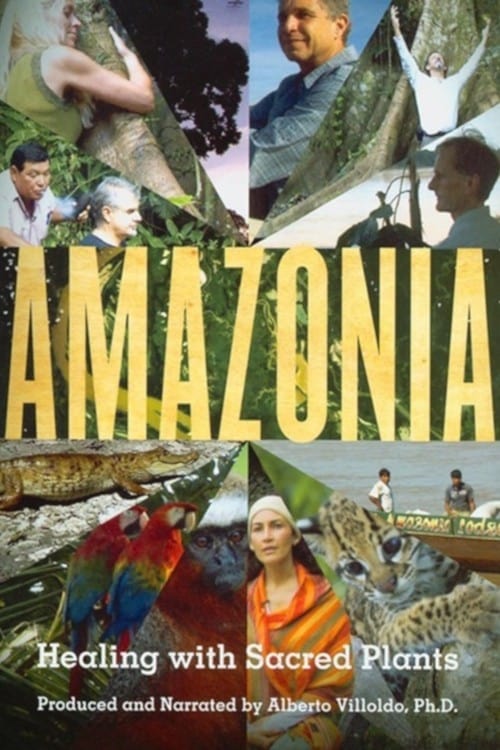
The film highlights the contributions of Dr. Alberto Villoldo and traditional healers. Including indigenous voices in spaces typically dominated by Western male academics suggests a moderate challenge to traditional hierarchies.
The film centers non-Western, indigenous populations as the main drivers of the narrative. It gives a significant role in driving the story to the inhabitants of the Peruvian Amazon as healers and knowledge-bearers.
The narrative promotes non-Western spirituality and critiques Western materialist views. It validates indigenous perspectives by framing ayahuasca as a legitimate, sacred medicinal tool.
There is no documented evidence regarding the portrayal of physical or neurodivergent disabilities in this work.
Present on Screen
Limited or Absent
Official Synopsis
Psychologist and anthropologist Alberto Villoldo talks with traditional healers of Madre de Dios, a department within in Peruvian Amazonia. They and Dr. Villoldo explain aspects of ayahuasca, a powerful, plant-based medicine of crucial importance.
2025
2004
2010
2015
1978
2020

2010
2008
No reviews yet. Be the first to share your thoughts on this movie!
Use the rating form above to leave a star rating and optional review.