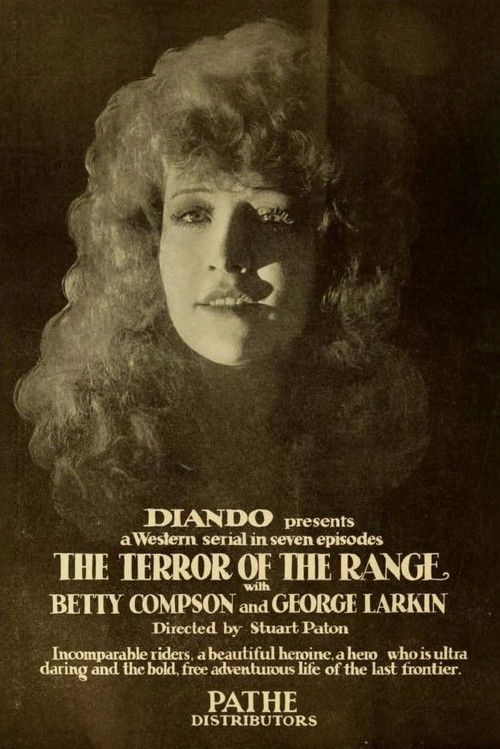
The Terror of the Range
1919
No user ratings available yet
Representation score: 0.6 out of 10
Representation Score
Limited
1941
ApprovedDirector
Bernard B. Ray
Runtime
64 minutes
Average Rating
No ratings yetNew Showbiz Analysis
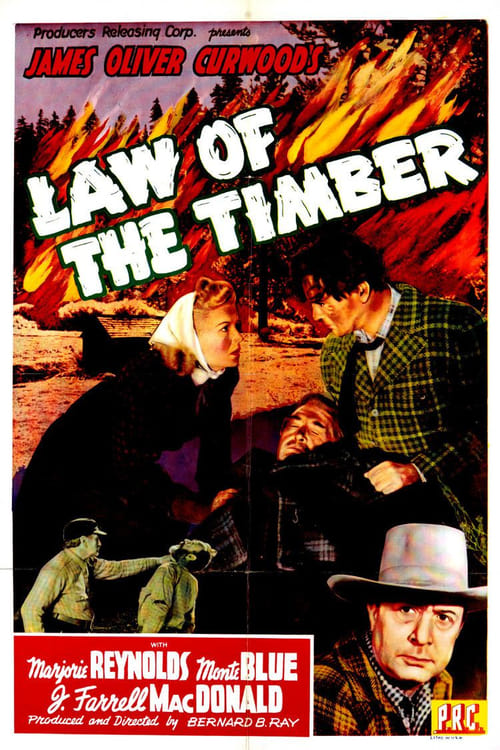
Law of the Timber is a quintessential product of the 1940s Poverty Row studio system. It follows the rigid, traditionalist clichés of the Western and wilderness drama genres, emphasizing rugged individualism over social complexity. The film lacks intentional representation of diverse identities. Instead, it reinforces the era's standard hierarchies, centering on homogeneous demographics and conventional social roles that reflect the pre-war American cinematic landscape. Ultimately, the production serves as a historical artifact of its time, adhering to the homogeneous and hierarchical structures characteristic of early genre filmmaking.
Category Breakdown
The film follows the social structures typical of 1941, where everyone is assumed to be straight or cisgender. There are no characters with LGBTQ+ identities or same-sex relationships.
The male characters likely drive the plot through physical action. Female characters seem to serve as emotional support or figures needing protection.
The North Woods setting implies a focus on Anglo-Saxon protagonists. The cast likely reflects the homogeneous demographics typical of early 1940s cinema.
The narrative highlights traditional Western values such as individual strength and frontier justice. It operates within established frameworks of patriotism and morality.
There is no documented evidence of characters with physical or neurodivergent disabilities. Such themes were rarely explored with nuance during this era.
Present on Screen
Limited or Absent
Official Synopsis
PRC Pictures' final 1941 release, Law of the Timber was based on a story by North Woods specialist James Oliver Curwood.
1919

1930
1929

1939
1927
1914

1967

1927
No reviews yet. Be the first to share your thoughts on this movie!
Use the rating form above to leave a star rating and optional review.