Code of the Range
1936
No user ratings available yet
Representation score: 0.6 out of 10
Representation Score
Minimal
1923
ApprovedDirector
Victor Fleming
Runtime
70 minutes
Average Rating
No ratings yetNew Showbiz Analysis
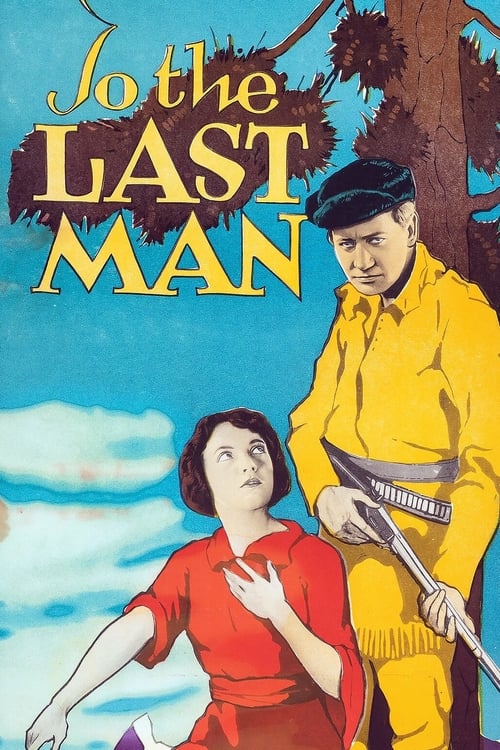
To the Last Man is a traditional Western drama centered around the conflict between rival ranchers and sheepherders. It adheres to the genre conventions of the early 1920s, emphasizing territorial disputes and class-based conflicts. The film follows the standard storytelling norms of early 20th-century American cinema, focusing on conventional Western themes rather than diverse representations or social disruptions. Due to its adherence to these traditional structures, the film lacks significant diversity in gender, race, or identity.
Category Breakdown
The film does not include any known LGBTQ+ identities, which was uncommon in mainstream 1923 cinema.
The film likely emphasizes traditional gender roles, with men driving the main conflicts and women playing supporting or domestic roles.
The cast appears to be homogeneous, focusing on Anglo-American ranchers and sheepherders typical of 1920s Westerns.
The storyline examines economic tensions between landowners and workers but seems to follow standard genre conventions of the time.
There is no information available about characters with physical or neurodivergent disabilities.
Present on Screen
Limited or Absent
Official Synopsis
Feuding ranchers and sheepherders.
1936
1928
1927
1953
1919
1931
1927
1929
No reviews yet. Be the first to share your thoughts on this movie!
Use the rating form above to leave a star rating and optional review.