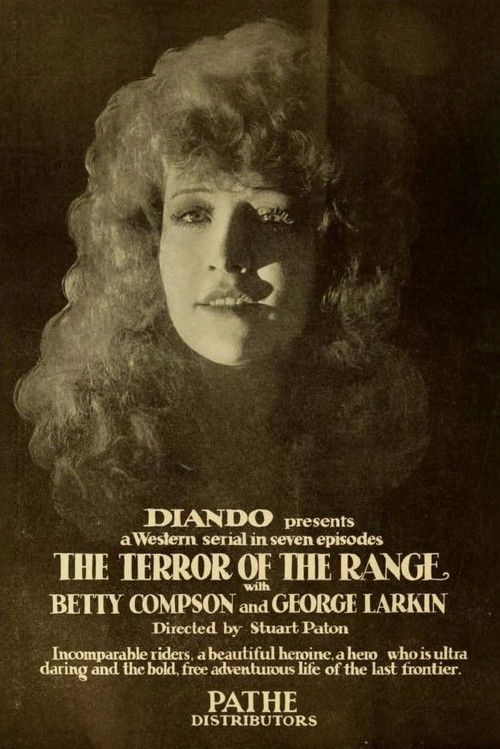
The Terror of the Range
1919
No user ratings available yet
Representation score: 0.6 out of 10
No Poster Available
Representation Score
Minimal
1926
PassedDirector
Francis Ford
Runtime
200 minutes
Average Rating
No ratings yetNew Showbiz Analysis
The Winking Idol functions as a product of its era, adhering to the conventional constraints of the silent Western. The narrative structure prioritizes genre-specific clichés over multi-layered representation or the disruption of traditional power dynamics. Because the film belongs to a period where narrative structures were dictated by traditional Western archetypes, it reflects the standard cinematic hierarchies of the 1920s. The lack of documented evidence regarding diverse identities suggests a reliance on the prevailing social constraints of the early 20th century.
Category Breakdown
There is no evidence of characters with non-binary gender identities or same-sex relationships. The film likely reinforces the assumption that everyone is straight or cisgender.
The film likely centers on masculine leadership and traditional frontier archetypes. There is no evidence of female characters having a significant role in driving the story or challenging gender hierarchies.
The narrative likely adheres to the homogeneous casting norms of early Hollywood. There is no evidence of characters of color having a significant role or race-bent casting.
The film likely emphasizes frontier justice and established social orders. It lacks the anti-institutional or secularist themes needed for a higher score.
No specific instances of characters with visible or invisible disabilities are recorded in the surviving synopsis or historical archives.
Present on Screen
Limited or Absent
Official Synopsis
The Winking Idol is a 1926 American silent Western film serial.
1919
1927
1927
1929
1927
1914
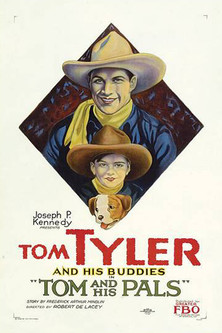
1926
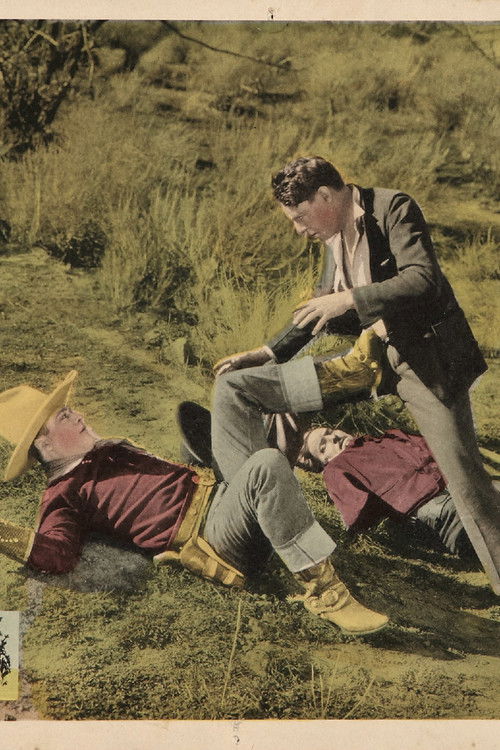
1926
No reviews yet. Be the first to share your thoughts on this movie!
Use the rating form above to leave a star rating and optional review.