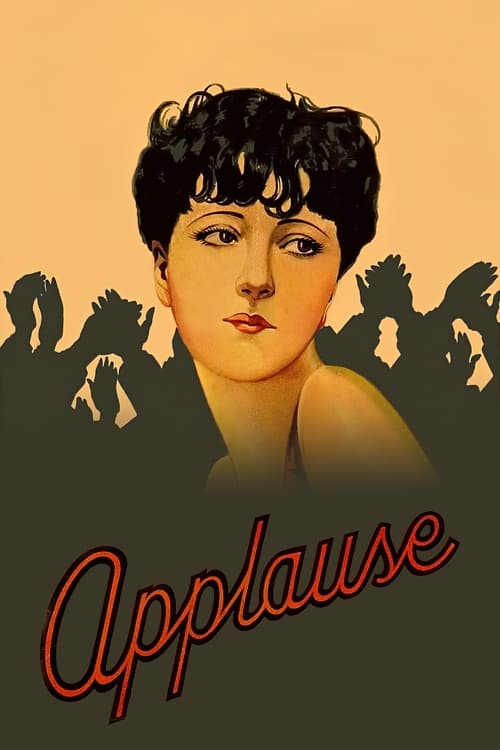
Applause
1929
No user ratings available yet
Representation score: 4.5 out of 10

Representation Score
Limited
1940
ApprovedDirector
Jean Negulesco
Runtime
22 minutes
Average Rating
No ratings yetNew Showbiz Analysis
Alice in Movieland offers a meta-cinematic look at the Hollywood dream factory, blending reality and fantasy to critique the artifice of stardom. While it centers on Alice's professional journey from a female perspective, the film remains culturally rooted in its era. The narrative grants Alice a significant role in driving the story, yet it lacks depth in reflecting multiple aspects of diversity. The film's social composition remains traditional, failing to disrupt systemic hierarchies or provide broad representation beyond the central protagonist.
Category Breakdown
The film does not include any LGBTQ+ characters or non-cisgender identities. The story revolves around the protagonist's pursuit of traditional stardom without any queer undertones.
Alice is a central female protagonist who navigates a male-dominated industry. However, her character is portrayed using era-specific clichés about the struggles of an actress.
The production reflects the homogeneous casting standards of 1940s Hollywood. There is no indication of significant racial diversity or efforts to break Anglo-centric norms.
The film satirizes the Hollywood studio system and the divide between reality and manufactured glamour. It focuses on individual aspirations rather than broader institutional critiques.
There are no characters with physical, sensory, or neurodivergent disabilities. Such characters do not drive the plot or have significant roles.
Present on Screen
Limited or Absent
Official Synopsis
Alice wins a free trip to Hollywood and dreams about her arrival.
1929
1937
1949

2019
1923
2010

1944
1988
No reviews yet. Be the first to share your thoughts on this movie!
Use the rating form above to leave a star rating and optional review.