The Exterminating Angel
1962
No user ratings available yet
Representation score: 6.1 out of 10
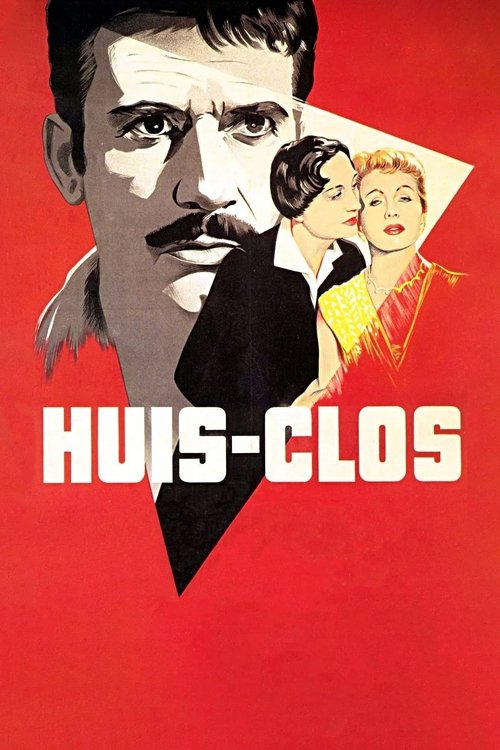
Representation Score
Fair
1954
Director
Jacqueline Audry
Runtime
95 minutes
Average Rating
No ratings yetNew Showbiz Analysis
Jacqueline Audry’s direction provides a sophisticated psychological lens that challenges traditional gender hierarchies. By focusing on women's ability to act and emotional intellect, the film moves away from passive stereotypes and presents complex, autonomous characters. This focus on female empowerment and the critique of social institutions provides the film's strongest diversity elements. However, the film is limited by the era's demographic constraints. The cast is homogeneous, lacking racial or ethnic diversity, and there is no representation of physical or neurodivergent disabilities. While the subtext challenges traditional romantic structures, the absence of explicit LGBTQ+ identities keeps the representation in a moderate range. Ultimately, the film is a psychological study of confinement rather than a diverse social tapestry. It succeeds in intellectual subversion while remaining tethered to the social homogeneity of its time.
Category Breakdown
The film uses the Limbo setting to question traditional social roles through interactions between characters. However, it does not include explicit representations of non-binary or LGBTQ+ identities.
The narrative focuses on women's ability to drive the story and their emotional intelligence rather than passive roles. It portrays traditional domestic stability as a source of psychological confinement.
The production reflects a homogeneous social framework consistent with 1954 French cinema. There are no visible efforts to incorporate racial or ethnic diversity.
The film critiques Western institutions like marriage and class through a lens of moral relativism. It replaces traditional notions of salvation with psychological torment.
Characters experience a metaphorical state of suffering due to their damned status. There is no meaningful exploration of actual physical or neurodivergent disabilities.
Present on Screen
Limited or Absent
Official Synopsis
The scene is a tawdry hotel room in Limbo, where several damned souls are gathered. At first, the group fails to comprehend where they are or why they're there. When the horrible truth dawns upon them, they carp and snipe at one another, blaming everyone but themselves for their dismal fate.
1962
1973
1962
1947
1947
1962
1989
1904
No reviews yet. Be the first to share your thoughts on this movie!
Use the rating form above to leave a star rating and optional review.