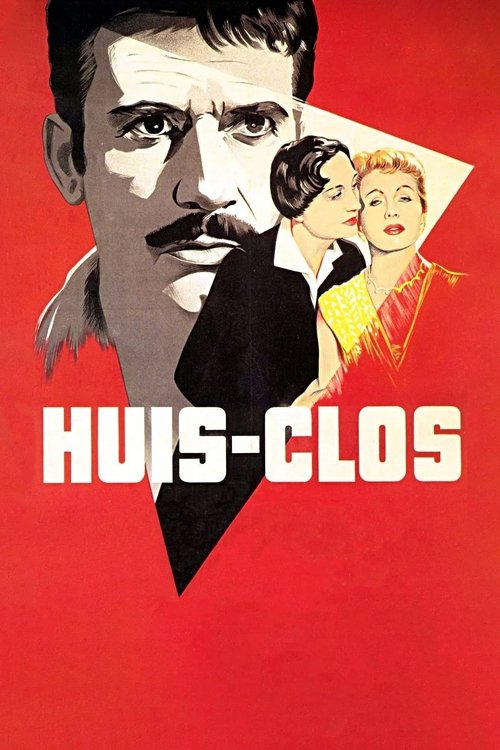
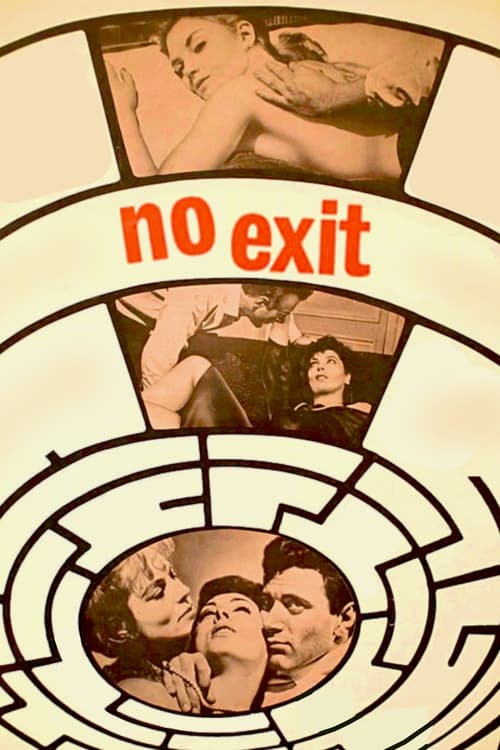
No Exit
1954
No user ratings available yet
Representation score: 5.8 out of 10
Representation Score
Fair
1962
Director
Tad Danielewski
Runtime
85 minutes
Average Rating
No ratings yetNew Showbiz Analysis
Tad Danielewski’s adaptation of Sartre’s work functions as a psychological study, focusing on the interactions between characters in a confined environment. It excels in challenging traditional gender roles, giving female characters significant intellectual power and ability to act. However, the film is limited by a lack of demographic diversity. The cast remains largely homogeneous, reflecting a Eurocentric perspective that does not emphasize racial or ethnic diversity. Ultimately, the film's strength lies in its philosophical depth. It uses a vacuum of traditional morality to explore how identity is shaped through the perceptions of others, despite the absence of diverse representation.
Category Breakdown
The film explores complex interpersonal dynamics that challenge traditional romantic expectations. The relationship between Inès and Estelle hints at a web of desires that defy conventional romance.
Female characters such as Inès and Estelle play significant roles in driving the story's psychological conflicts. They are presented as strong, independent figures rather than submissive stereotypes.
The cast is predominantly made up of people from similar backgrounds, reflecting the production era and the source material's focus. Racial and ethnic diversity are not used as key narrative drivers.
The film presents a secular worldview that questions established social and ethical norms. By excluding divine intervention, it explores morality through subjective experiences.
There are no prominent depictions of physical or neurodevelopmental disabilities that serve as central narrative elements or character drivers.
Present on Screen
Limited or Absent
Official Synopsis
The Valet enters a hotel room with Joseph Garcin in tow. The windowless room has a single entrance and no mirrors. Two women, Inès Serrano and Estelle Rigault, are then led in; afterwards, the Valet leaves and locks the door. Realising that they are in hell, the trio expects to be tortured; however, no torturer is forthcoming. While waiting, they strike up a conversation and discuss each other's sins, desires, and unpleasant memories. Adaptation of the play by Jean-Paul Sartre.
1954

1950

2009

1963

1966
1948

1964
1962
No reviews yet. Be the first to share your thoughts on this movie!
Use the rating form above to leave a star rating and optional review.