Methadonia
2005
No user ratings available yet
Representation score: 8.4 out of 10
Representation Score
Excellent
2007
TV-14Director
D. A. Pennebaker, Chris Hegedus, Barbara Kopple, Jon Alpert, Susan Froemke, Eugene Jarecki, Albert Maysles, Liz Garbus
Runtime
86 minutes
Average Rating
No ratings yetNew Showbiz Analysis
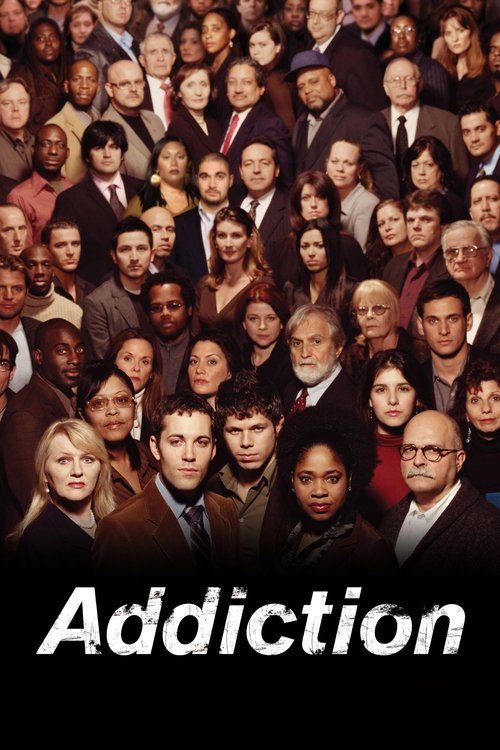
Addiction (2007) is a multi-perspective look at substance abuse, using an anthology of segments to explore systemic and psychological factors. The film stands out by moving away from simple moral judgments, offering a more complex and scientific view of addiction. Its strength lies in disrupting traditional views, whether through gender stereotypes or religious moralism. By presenting addiction as a complex health issue, it offers a more comprehensive understanding. However, the anthology format means that specific identity-focused narratives, like LGBTQ+ stories, are not the main focus.
Category Breakdown
The anthology format explores various experiences, including those of individuals with non-straight identities. However, there isn't a central LGBTQ narrative, but rather an exploration of recovery.
The film examines traditional masculinity by emphasizing vulnerability and loss of control. It balances perspectives by featuring female experts and directors.
The documentary highlights the impact of addiction on different ethnic groups, avoiding a one-dimensional portrayal of the addict archetype.
The film challenges traditional Western moral views by presenting addiction as a systemic issue rather than a personal failing. It emphasizes scientific understanding over religious judgment.
By treating addiction as a chronic health condition, the film addresses neurological and mental health issues. It gives real power to subjects through scientific and social studies.
Present on Screen
Limited or Absent
Official Synopsis
Assembled by some of the nation's top documentary filmmakers, this centerpiece film in HBO's 'Addiction' campaign features insights from experts on trends and treatments in the ongoing battle against drug and alcohol abuse. This documentary consists of nine segments that focus on case studies and cutting-edge treatments that challenge traditional beliefs about addiction.
2005
2012
2012

2022
2005
2019

2019
2019
No reviews yet. Be the first to share your thoughts on this movie!
Use the rating form above to leave a star rating and optional review.