
The Long Way Back: The Story of Todd Z-Man Zalkins
2017
No user ratings available yet
Representation score: 6.9 out of 10
Representation Score
Good
2018
Not RatedDirector
Chris Bell
Runtime
86 minutes
Average Rating
No ratings yetNew Showbiz Analysis
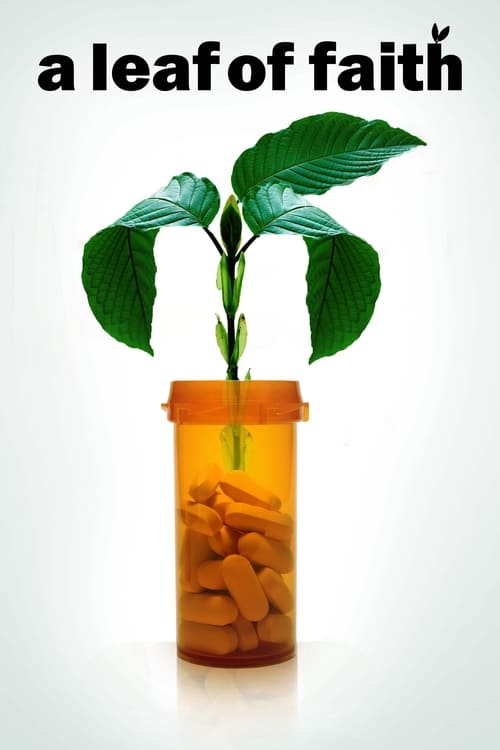
A Leaf of Faith serves as a systemic critique of the American healthcare system and the pharmaceutical industry. It frames the opioid crisis as an institutional failure rather than an individual one, using the botanical alternative of Kratom to disrupt conventional medical reliance. The film's strength lies in its deconstruction of institutional power. By championing non-traditional knowledge, it challenges the dominance of corporate-driven medical solutions and addresses the neurobiological realities of addiction with dignity. However, the documentary lacks explicit focus on identity-based representation. It does not provide specific character arcs centered on LGBTQ+ identities or gender subversion, maintaining a more neutral stance on these social dimensions.
Category Breakdown
The film focuses on the medical and sociological aspects of addiction. There are no specific LGBTQ+ character arcs or queer-coded narratives.
The documentary prioritizes systemic and medical narratives over gender-specific dynamics. It avoids focusing on gendered power hierarchies or the subversion of traditional masculinity and femininity.
The narrative implicitly challenges Western-centric corporate medical models. This approach aligns with the needs of underrepresented communities disproportionately affected by the opioid epidemic.
The film critiques Western institutional structures by presenting botanical alternatives to pharmaceutical capitalism. It prioritizes decentralized, non-traditional knowledge over established medical authority.
The film treats addiction as a complex medical and systemic condition rather than a moral failing. It provides a platform for those navigating chronic pain and dependency.
Present on Screen
Limited or Absent
Official Synopsis
Documentary exploring a plant-based alternative to Opioid painkillers, which are responsible for the deaths of 30,000 Americans a year. It comes from a tree named Kratom, and it is able to alleviate pain and help overcome addiction without many of the side effects of Opioids.
2017

2022
2004
2012
2020
2021
2016
2018
No reviews yet. Be the first to share your thoughts on this movie!
Use the rating form above to leave a star rating and optional review.