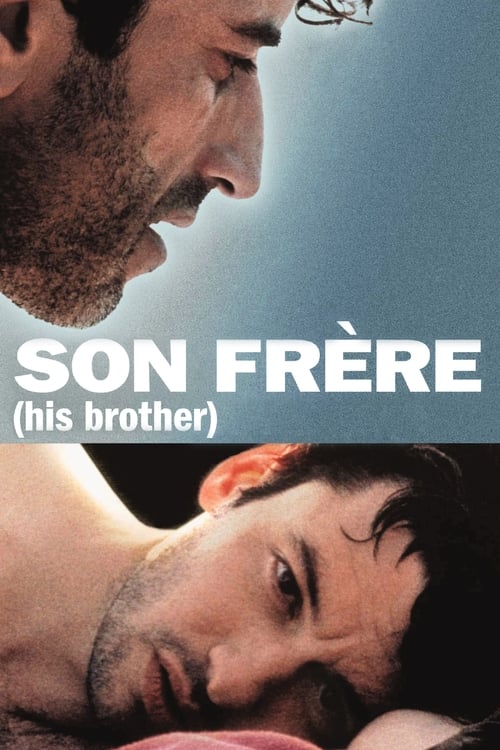
His Brother
2003
No user ratings available yet
Representation score: 7.7 out of 10
Representation Score
Good
2002
UnratedDirector
Christophe Honoré
Runtime
88 minutes
Average Rating
No ratings yetNew Showbiz Analysis
Christophe Honoré’s drama handles sensitive topics like HIV and queer identity with natural authenticity. The film avoids melodrama, focusing instead on the emotional and practical realities of a life-changing diagnosis and the resulting shifts in family loyalty. While the film excels in its nuanced portrayal of disability and non-straight relationships, it remains limited by a lack of racial and ethnic diversity. The homogeneous cast reflects its specific French setting but offers little in terms of multicultural representation. Ultimately, the film is a sophisticated character study. It challenges traditional moral frameworks and gender hierarchies, offering a progressive perspective on how individuals and families navigate vulnerability and systemic fragility.
Category Breakdown
The film includes queer attraction and fluid identities as part of everyday life. It avoids typical coming-out stories, showing identity as a normal part of growing up.
Female characters play important roles and avoid being passive. They are shown as active participants with their own thoughts and feelings within social situations.
The cast is mostly made up of people from similar backgrounds, reflecting specific French rural and urban settings. The story lacks significant racial or ethnic diversity among the main characters.
The story focuses on human connection and empathy rather than religious doctrine. It breaks down traditional institutional stability by emphasizing secular, emotional truths and systemic trauma.
Leo’s HIV diagnosis is central to his personal story rather than a spectacle. The film avoids inspiring pity by focusing on the practical and interpersonal impacts of living with HIV.
Present on Screen
Limited or Absent
Official Synopsis
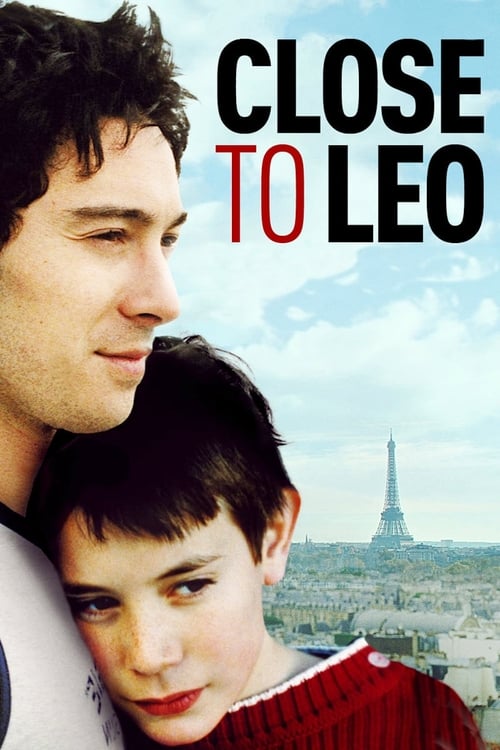
When 21 year-old Leo, the oldest of four brothers, announces to his rural French family that he's HIV positive, his family quickly rallies around him. Leo travels to Paris with his youngst brother Marcel for treatment. When Leo tries to push his brother away to protect him, the love and loyalty of the two brothers is tested.
2003

1995
2015

2000

2005

2011

2014

2017
No reviews yet. Be the first to share your thoughts on this movie!
Use the rating form above to leave a star rating and optional review.