I'm His Wife
2012
No user ratings available yet
Representation score: 2.3 out of 10
Representation Score
Fair
2011
Director
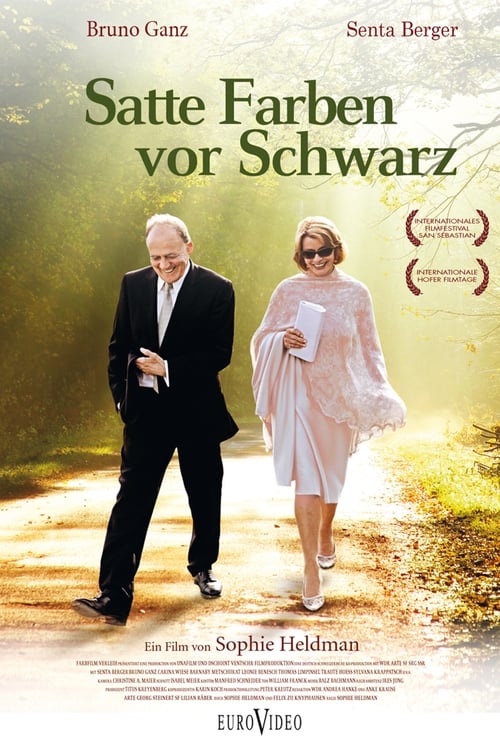
Sophie Heldman
Runtime
85 minutes
Average Rating
No ratings yetNew Showbiz Analysis
Colors in the Dark is a localized drama that prioritizes intimate interpersonal dynamics over broad sociopolitical commentary. The film functions as a character study of aging and long-term commitment, leaning heavily into traditional storytelling models. While the film offers a nuanced look at the emotional complexities of illness and marital stability, it lacks depth in representing multiple aspects of identity. The narrative structure reinforces conventional social hierarchies and domestic institutions rather than challenging them. Ultimately, the film provides a focused exploration of a singular couple's experience, though it lacks representation of diverse racial, cultural, or queer identities.
Category Breakdown
The story focuses on a long-term heterosexual marriage, and there are no queer narratives or non-cisgender identities represented in the film.
Anita plays a significant role in navigating her feelings of abandonment, but the narrative remains confined to traditional marital roles and domestic life.
The film appears to be a localized character study with no indication of a diverse or non-Anglo-Saxon majority cast.
The plot emphasizes traditional Western values and the sanctity of marriage, focusing on preserving the family unit rather than critiquing social structures.
Fred’s chronic illness serves as a central narrative catalyst, providing a platform to explore how serious health conditions affect family structures and relationships.
Present on Screen
Limited or Absent
Official Synopsis
Anita and Fred have been a couple for 50 years, and happily married for nearly as long. They have two grown children, and their grandchildren are finishing school. Both can look back at a fulfilling past, but their lives are still rich and vibrant. The fact that Fred is terribly ill has been hidden from the family. For the first time in all these years, Fred takes some liberties, which his wife interprets as an affront. Never before has she felt so abandoned. Although she starts to question her relationship, a love like theirs cannot end so easily. Indeed it should never end.
2012

2008

2015
2011

2015
2014
2010
2020
No reviews yet. Be the first to share your thoughts on this movie!
Use the rating form above to leave a star rating and optional review.