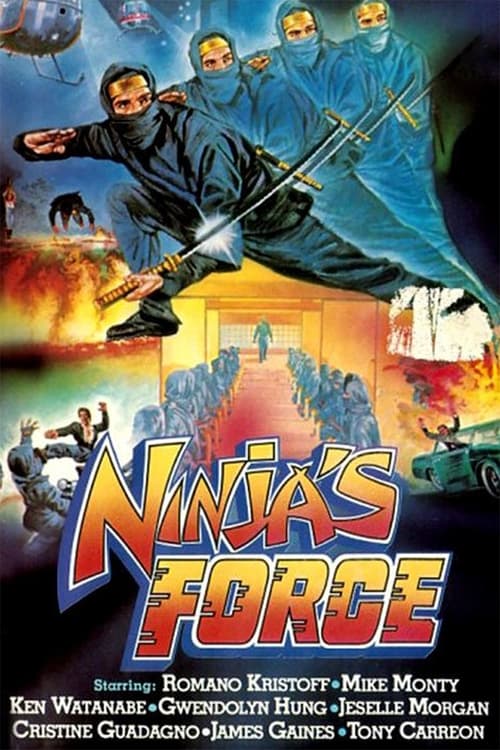
Ninja's Force
1984
No user ratings available yet
Representation score: 1.7 out of 10
Representation Score
Minimal
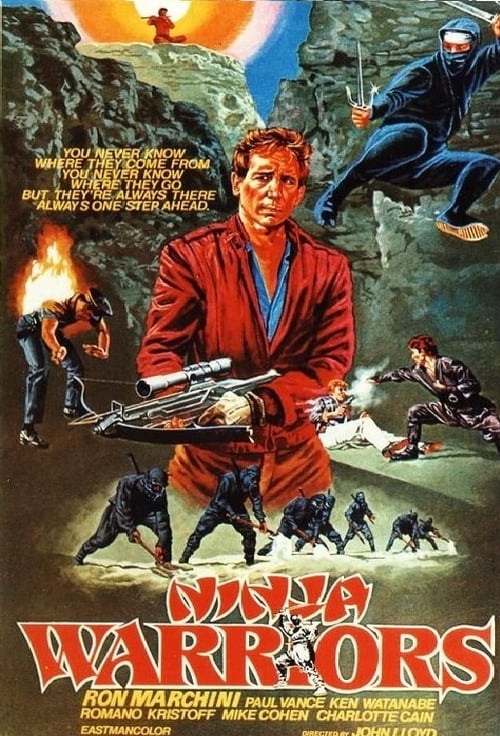
1985
Director
Teddy Page
Runtime
90 minutes
Average Rating
No ratings yetNew Showbiz Analysis
Ninja Warriors is a quintessential mid-80s action film that prioritizes traditional masculine power and hero-versus-villain dichotomies. The narrative structure centers on physical dominance and the protection of state interests, reinforcing established institutional hierarchies. While the film provides ethnic visibility through its Japanese setting and characters, it fails to offer depth in reflecting multiple aspects of identity. The story operates within a binary moral compass, focusing on combat rather than social complexity. Ultimately, the film adheres to the conventional genre frameworks of its time, offering little in the way of diverse perspectives or the subversion of social structures.
Category Breakdown
The film focuses on a traditional masculine partnership between Steve and Lieutenant Kevin. There is no depiction of LGBTQ+ identities or non-conforming gender expressions.
Male characters like Steve and Kurodo hold the majority of the story's power. The narrative relies on masculine combat archetypes and lacks female characters in positions of influence.
Japanese cultural motifs and characters are central to the plot. While this provides ethnic visibility, the story heavily relies on established genre clichés of the era.
The plot reinforces Western institutional frameworks and the importance of law and order. It lacks significant anti-institutional sentiment or nuanced cultural disruption.
Characters are defined by physical prowess and combat capability. There are no visible or invisible disabilities portrayed in the narrative.
Present on Screen
Limited or Absent
Official Synopsis
Steve is a Ninja. He's been called in by the police to help them in their investigations. He's to work with Kevin, a police lieutentant. They are investigating the break-in at the Federal Research Institute, where despite heavy security, 7 Ninja warriors manage to steal a vital document. Well pleased with their night's work, they return to their master, Kurodo, who finds they only have a half of the information they need. The police capatain wants results. Kevin suspects that a Japanese Garden he visited once with Steve could be the headquarters of Kurodo and his Ninja's and goes in search of proof. He's caught spying and is tortured and killed. After the disappearance of Kevin, Steve opens his Ninja box. He breaks the seal of his Katana and starts the Mantra. He attacks the Japanese Garden, eliminates the Ninja warriors and after recovering the documents and blowing up the laboratory, finally meets Kurodo, there can only be one victor...
1984
1972
1983
1982
1987
1980

1982
1973
No reviews yet. Be the first to share your thoughts on this movie!
Use the rating form above to leave a star rating and optional review.