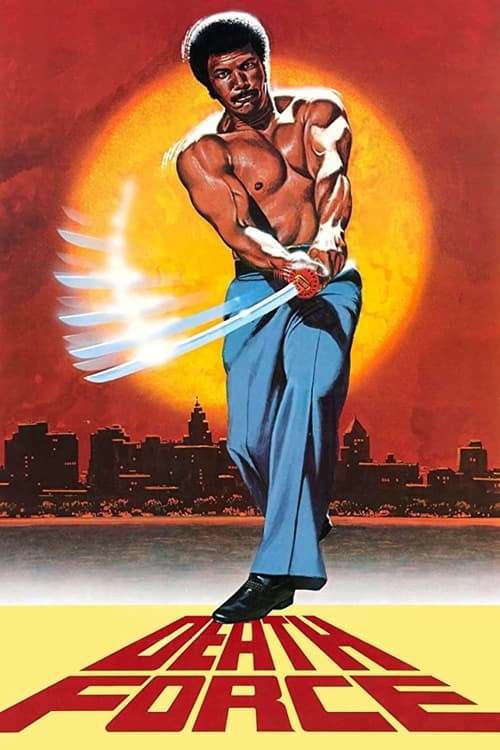
Death Force
1978
No user ratings available yet
Diversity score: 2.3 out of 10

1987
PG-13Director
Yu Wang, Dusty Nelson
Runtime
86 minutes
Average Rating
No ratings yetSynopsis
Chuck Connors stars in this routine martial arts feature as the Colonel. He sends agents Sonny (Mike Kelly) and Dennis (George Nichols) to Taiwan in search of microfilm containing experiments on genetic engineering. The agents soon find themselves up against Japanese killers known as the Sakura who plan to sell United States secrets to the Soviet Union. Sonny and Dennis train with a martial arts master in order to fight the enemy and obtain the coveted microfilm.
Overall Score
Limited
Category Breakdown
LGBTQ+ Representation
The film lacks any indication of non-heteronormative identities. The narrative focuses entirely on male protagonists and authority figures within a traditional framework.
Gender Representation
Male agency drives the entire plot, from the agents to the martial arts master. The film reinforces traditional masculine hierarchies through its emphasis on combat and leadership.
Racial & Ethnic Diversity
While set in Taiwan with Japanese antagonists, the story maintains a Western-centric perspective. Diverse ethnic groups serve the geopolitical plot rather than receiving nuanced representation.
Religious & Cultural Diversity
The narrative prioritizes Western institutional interests and Cold War-era patriotism. It upholds existing geopolitical orders rather than exploring alternative cultural or political sentiments.
Disability Representation
There is no evidence of characters with physical or neurodivergent disabilities. The focus on martial arts prowess excludes the representation of disability.
Strengths
Areas for Improvement
AI Analysis
Sakura Killers is a conventional 1980s action thriller that adheres strictly to the genre tropes of its era. The story centers on American agents navigating a geopolitical conflict involving Taiwan, Japan, and the Soviet Union. The film prioritizes a standard hero-versus-adversary dynamic, focusing on physical combat and national security. This framework leaves little room for intersectional depth or the subversion of social hierarchies. Ultimately, the production functions as a period-typical feature that emphasizes traditional masculine agency and Western-centric interests over diverse or nuanced character studies.
1978
1982
1987
1991
1985
1992
1985
1986
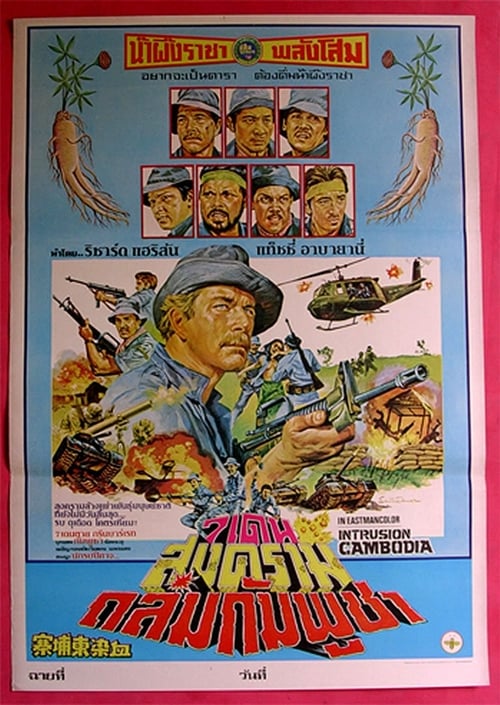
1983
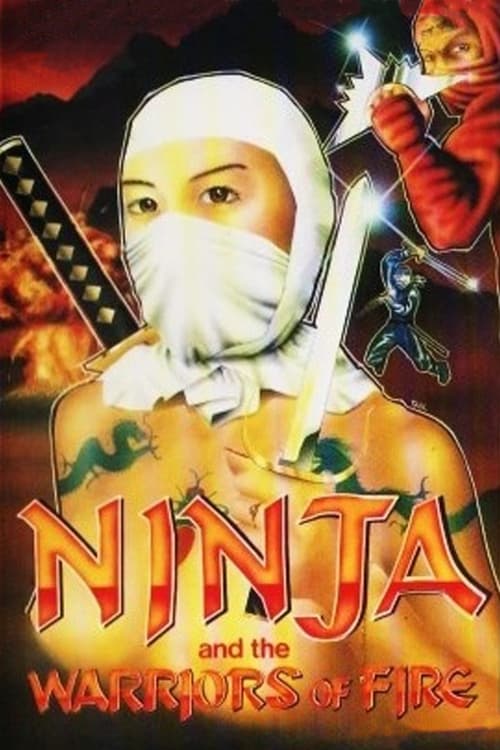
1987

1985
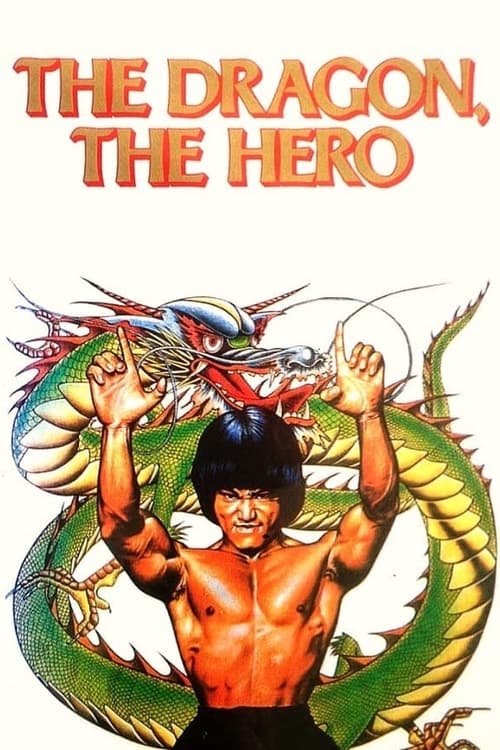
1979
No reviews yet. Be the first to share your thoughts on this movie!
Use the rating form above to leave a star rating and optional review.