
Nam Angels
1989
No user ratings available yet
Representation score: 1.8 out of 10

Representation Score
Minimal
1992
RDirector
Cirio H. Santiago
Runtime
92 minutes
Average Rating
No ratings yetNew Showbiz Analysis
Beyond the Call of Duty is a typical exploitation-era action film that prioritizes genre clichés over social complexity. The narrative structure revolves around traditional masculine archetypes and military hierarchies, offering limited multi-layered depth. The film relies heavily on Western-centric viewpoints, framing the conflict through a binary lens of heroism and enmity. This approach reinforces established social norms without challenging them. Ultimately, the movie operates as a conventional genre exercise, using its setting and characters to uphold 20th-century action clichés and traditional power structures.
Category Breakdown
The film does not include any LGBTQ+ characters or narratives, sticking to traditional gender roles and orientations.
The story focuses on a male U.S. Army Commander, emphasizing traditional masculine leadership. The female journalist serves primarily as a supporting character.
The film depicts a conflict involving Vietnamese enemies in the Mekong River Delta, using monolithic portrayals of the enemy without diverse casting.
The narrative follows a traditional Western military perspective, presenting a binary of heroic Western forces against local adversaries without deeper critique.
There is no information available regarding the portrayal of physical or neurodivergent disabilities in this film.
Present on Screen
Limited or Absent
Official Synopsis
While leading a maverick band of warriors behind enemy lines, a U.S. Army Commander is forced to lead a beautiful American journalist through the treacherous Mekong River Delta aboard a high speed gun boat while being pursued by a cunning Vietnamese enemy.
1989

1987
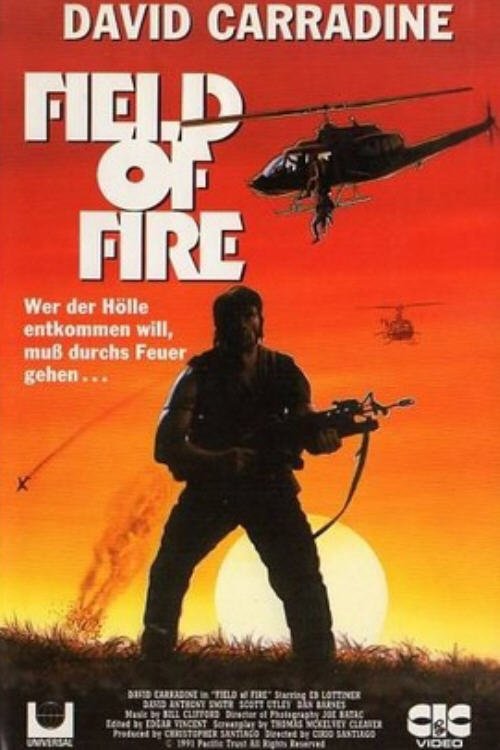
1991
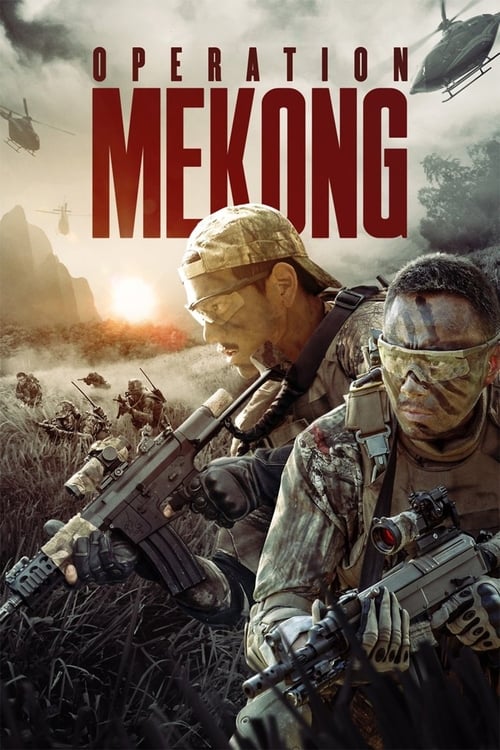
2016
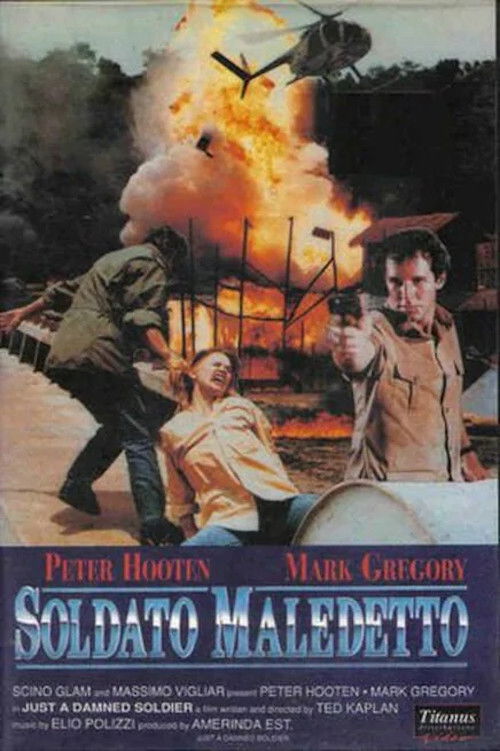
1988

1981

1986
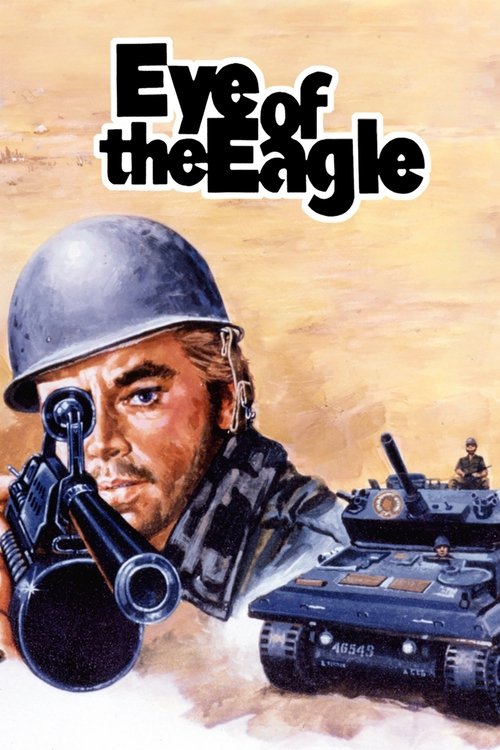
1987
No reviews yet. Be the first to share your thoughts on this movie!
Use the rating form above to leave a star rating and optional review.