Oskar
1962
No user ratings available yet
Representation score: 1.6 out of 10
Representation Score
Limited
1964
Director
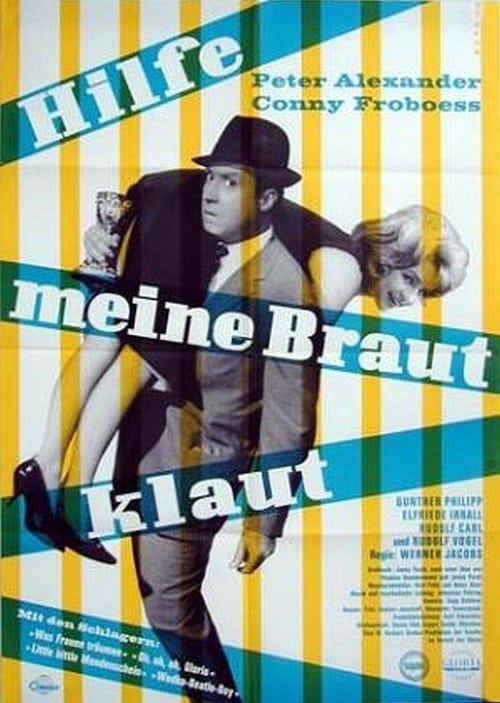
Werner Jacobs
Average Rating
No ratings yetNew Showbiz Analysis
Werner Jacobs' comedy is a product of its time, prioritizing light-hearted romantic misunderstandings over social commentary. The narrative structure follows established conventions of mid-century cinema, focusing on the individual pursuits of Valentin Hase and Babs. The film lacks intentionality regarding diverse representation or the disruption of traditional social hierarchies. It serves primarily as a period piece reflecting the homogeneous social landscape of 1960s West Germany. While the plot is driven by specific character traits, the film remains within the bounds of conventional commercial cinema, offering little in the way of systemic critique or diverse perspectives.
Category Breakdown
The film centers on a typical heterosexual relationship and does not include any non-binary gender identities or critiques of the assumption that everyone is straight.
The story relies on traditional romantic clichés involving a male lead and a female character from a wealthy background. It upholds the gender roles of the 1960s without challenging the existing hierarchy.
The production reflects the homogeneous casting practices of 1960s West German cinema. There is no indication of diverse casting that includes multiple backgrounds.
Themes revolve around personal quirks and romantic comedy. The narrative follows the social norms of the mid-1960s without critiquing Western institutions.
Kleptomania is used as a comedic plot device rather than a meaningful exploration of neurodivergence. No physical or sensory disabilities are represented.
Present on Screen
Limited or Absent
Official Synopsis
Valentin Hase (Peter Alexander) falls in love with the rich but cleptomanic society girl Babs (Connie Froboess) without knowing her true identity as the daughter of a chocolate company owner.
1962
1976
1955
1938
1964

2006
1973

1957
No reviews yet. Be the first to share your thoughts on this movie!
Use the rating form above to leave a star rating and optional review.