
Roses for the Prosecutor
1959
No user ratings available yet
Diversity score: 4.1 out of 10
1948
Director
Hans Müller
Runtime
89 minutes
Average Rating
No ratings yetSynopsis
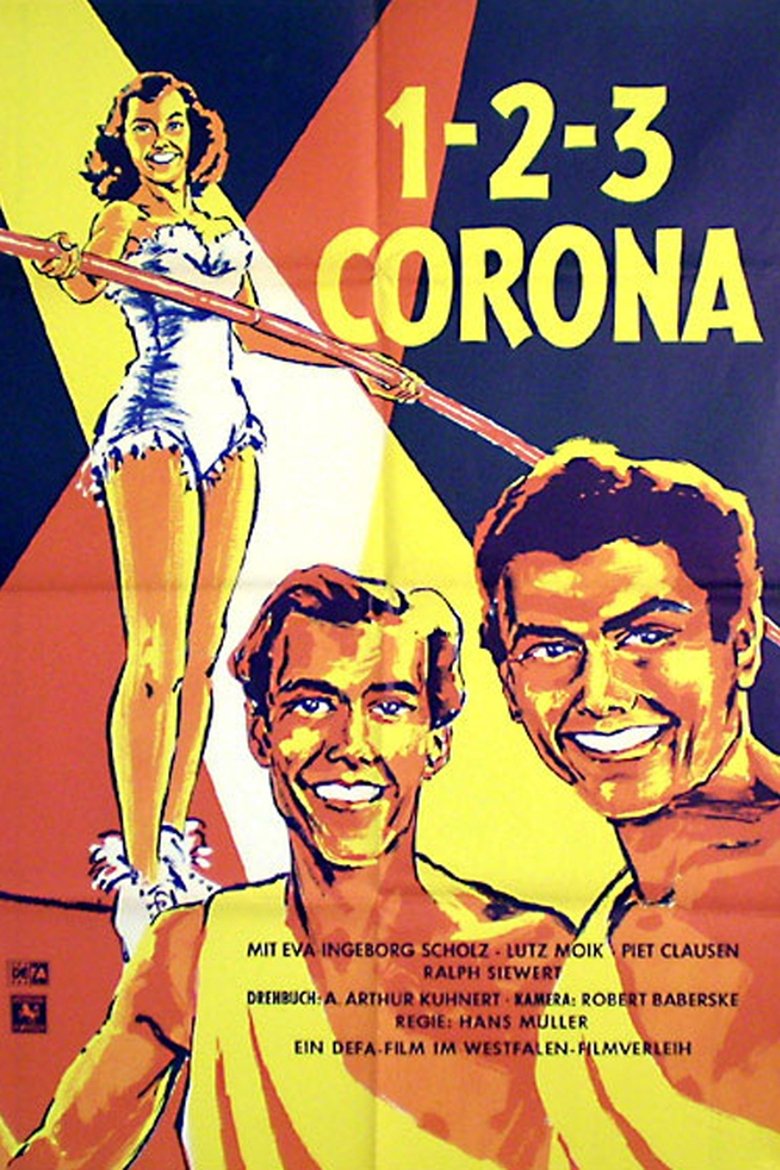
Post-war Germany 1945: Two rival gangs of uprooted boys fight each other in the ruins of Berlin, whose business is the black market out of necessity in order to survive. Their respective leaders are Gerhard and Dietrich. A pretty young circus artist named Corona comes to the destroyed city with a traveling circus. She immediately caught the boys' attention. When the latter notice that the circus director is abusing the girl, the two gangs join forces and plot an act of revenge against the tyrant. But with the hustle and bustle caused by this, Corona falls from the trapeze and is seriously injured. When the circus moves on, the boys organize a doctor for the sick artist who has been left behind. Their collectively concern for the blonde beauty makes them forget their enmity. This welds the troops closer together and sets the course for a common, meaningful future.
Overall Score
Limited
Category Breakdown
LGBTQ+ Representation
The film lacks any evidence of non-cisnormative identities or same-sex intimacy. The plot centers on male gang leaders' romanticized interest in the female protagonist, Corona.
Gender Representation
Corona functions largely as a 'damsel' trope, acting as a catalyst for male cooperation. However, the film subverts typical aggression by centering the plot on empathy and caretaking.
Racial & Ethnic Diversity
The narrative focuses on a homogeneous cast of German youth in post-war Berlin. There is no indication of racial or ethnic diversity within the setting.
Religious & Cultural Diversity
The film offers a nuanced look at morality through the lens of black market survival. It ultimately favors traditional social cohesion and the restoration of order.
Disability Representation
A physical injury serves as the central plot driver. While it facilitates character bonding, the depiction risks using disability primarily as a narrative device for emotional development.
Strengths
Areas for Improvement
AI Analysis
1-2-3 Corona is a period-specific drama that reflects the social realities of 1948 Germany. It focuses on the immediate survival and reconstruction of a community amidst the ruins of Berlin. While the film lacks intersectional complexity or diverse casting, it finds subtle depth in its shift from gang violence to communal care. The characters' transition from rivalry to collective responsibility provides a rare moment of empathy in a harsh setting. Ultimately, the film adheres to the traditional cinematic frameworks of its era, prioritizing social order and heteronormative structures over systemic critique or diverse representation.
1959
1967

2001
1953

1948
1949

2023
No reviews yet. Be the first to share your thoughts on this movie!
Use the rating form above to leave a star rating and optional review.