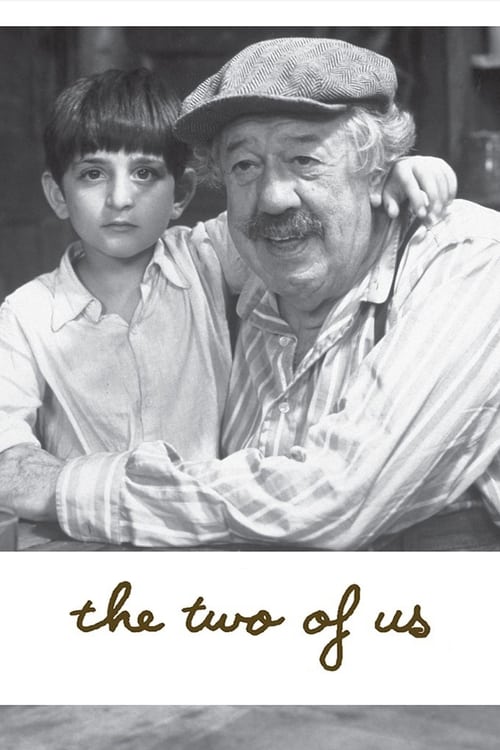
The Two of Us
1967
No user ratings available yet
Representation score: 5.5 out of 10
Representation Score
Fair
2001
Director
Ettore Scola
Runtime
110 minutes
Average Rating
No ratings yetNew Showbiz Analysis
Ettore Scola’s drama uses a professional rivalry to examine the systemic shifts of mid-20th century Italy. By pivoting from a capitalist struggle to an exploration of Fascist anti-Semitic policies, the film highlights how state-mandated prejudice dismantles individual ability to act. The narrative succeeds by framing the struggle of the Jewish community as a catalyst for a broader moral awakening. It replaces a standard story of commercial success with a profound study of survival and solidarity against an oppressive state. While the film excels in its critique of systemic anti-Semitism and state-driven racial hierarchies, it remains limited by its period-specific focus. The lack of LGBTQ+ representation and the male-centric professional setting reflect the historical constraints of the era's social landscape.
Category Breakdown
The film does not include any explicit LGBTQ+ narratives or characters with non-traditional gender identities. The story focuses on the socio-political and ethnic tensions of 1930s and 1940s Italy.
The narrative centers on a male-dominated professional environment typical of the time. However, it avoids depicting traditional masculinity as inherently stable, showing how political upheaval affects all men.
The plot centers on Leone, a Jewish businessman, to examine the systemic erasure of the Jewish community under Fascist regulation. It highlights the vulnerability of the Jewish community through the lens of professional disenfranchisement.
The film offers a nuanced critique of institutional corruption and authoritarianism. It portrays how state-sanctioned discrimination renders the concept of fair business moot and destroys community ethics.
There are no significant depictions of visible or invisible disabilities within the primary narrative arc.
Present on Screen
Limited or Absent
Official Synopsis
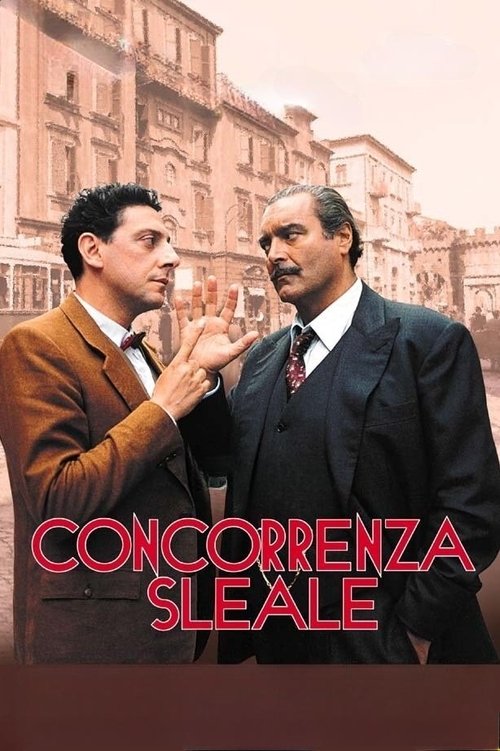
Two textile traders, with the shop close to one another, fight for the supremacy of their own business during the racial laws in 1938 Italy.
1967

1974

1962

2016

2015

2002
1991
1948
No reviews yet. Be the first to share your thoughts on this movie!
Use the rating form above to leave a star rating and optional review.