You are here:

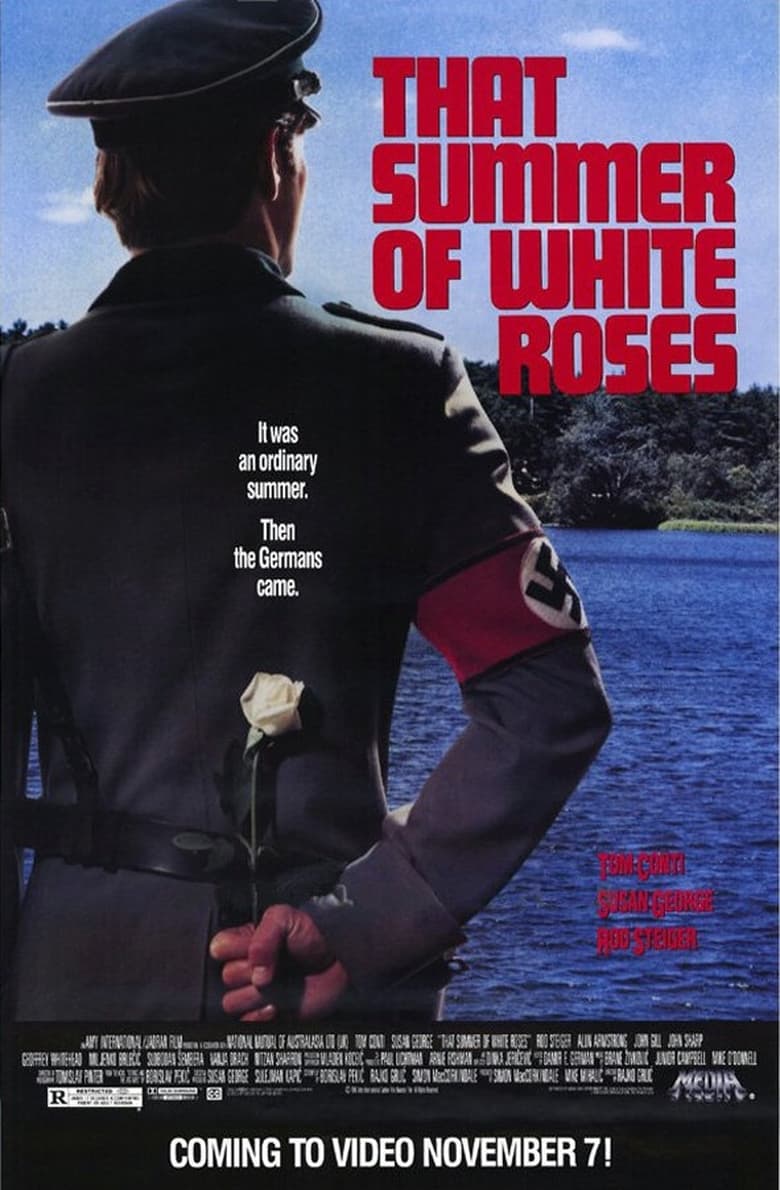
That Summer of White Roses

That Summer of White Roses

Representation Score

3.9/10

Limited

1989

R

Director

Rajko Grlić

Runtime

99 minutes

Average Rating

No ratings yet

New Showbiz Analysis

Rajko Grlić’s drama offers a nuanced departure from conventional Western wartime narratives. By centering the story on the Yugoslavian experience during the Nazi occupation, the film delves into the tension between personal connections and systemic political violence. The film successfully breaks down the traditional hero-versus-villain binary. The central tension between a lifeguard’s domestic ties to a partisan widow and his accidental rescue of a Nazi officer illustrates a morally complex view of survival. However, the film’s diversity is limited by its absence of LGBTQ+ characters and disability representation. While it provides a rich cultural alternative to Hollywood-centric war stories, it remains centered on traditional wartime dynamics.

Watch this, not that →

Category Breakdown

Does That Summer of White Roses have LGBTQ+ representation?

Minimal

The film does not include any characters or narratives related to LGBTQ+ identities or experiences.

How does That Summer of White Roses portray gender?

Fair

The story focuses on a widow and her son, emphasizing the resilience of women during wartime. This portrayal gives women a significant role in driving the narrative.

How racially and ethnically diverse is That Summer of White Roses?

Good

Set in WWII-era Yugoslavia, the film highlights a multi-ethnic society. It shifts away from Anglo-centric views to explore the diverse Balkan identities.

How does That Summer of White Roses represent religion and culture?

Good

The narrative challenges typical Western WWII clichés by focusing on the Yugoslavian partisan struggle. It examines how large-scale political systems impact individual morality.

Does That Summer of White Roses include disability representation?

Minimal

There is no information available regarding the depiction of physical or neurodivergent disabilities in this work.

Present on Screen

  • Offers a non-Western perspective on WWII by focusing on the Yugoslavian occupation.
  • Explores complex moral relativism instead of simple hero/villain binaries.
  • Highlights female resilience through the central character of the partisan widow.

Limited or Absent

  • Lacks any visible representation of LGBTQ+ characters or identities.
  • Provides no information or depiction regarding disability representation.
  • The gendered narrative arc follows traditional wartime clichés.

Official Synopsis

In the summer of 1944, in a peaceful resort town in the Nazi-occupied Yugoslavia, an easy-going lifeguard takes in a widow of a partisan and her young son. Their relationship grows until he unknowingly saves a Nazi officer from drowning.

How are these scores produced? →

Where to Watch

Rate this Movie

No rating selected
Use arrow keys to select a rating from 1 to 5 stars
Optional text review, maximum 2000 characters
Tip: Wrap spoilers with ||double pipes|| to hide them
0/2000 characters
You must be signed in to submit a rating

Reviews

No reviews yet. Be the first to share your thoughts on this movie!

Use the rating form above to leave a star rating and optional review.