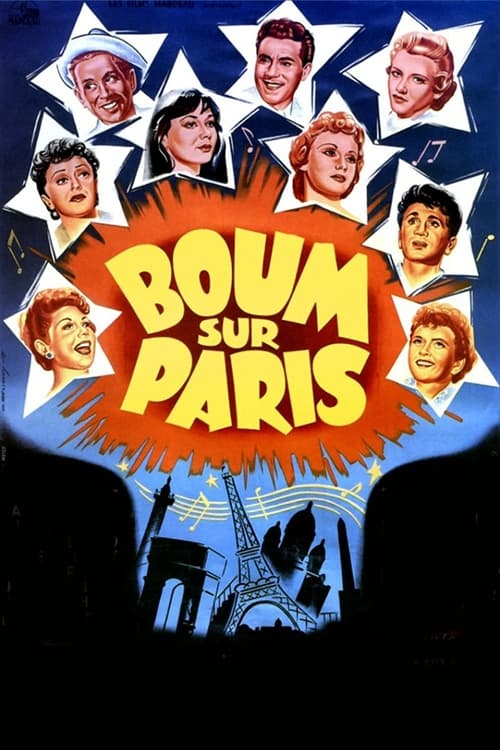
Boom on Paris
1954
No user ratings available yet
Representation score: 2.5 out of 10
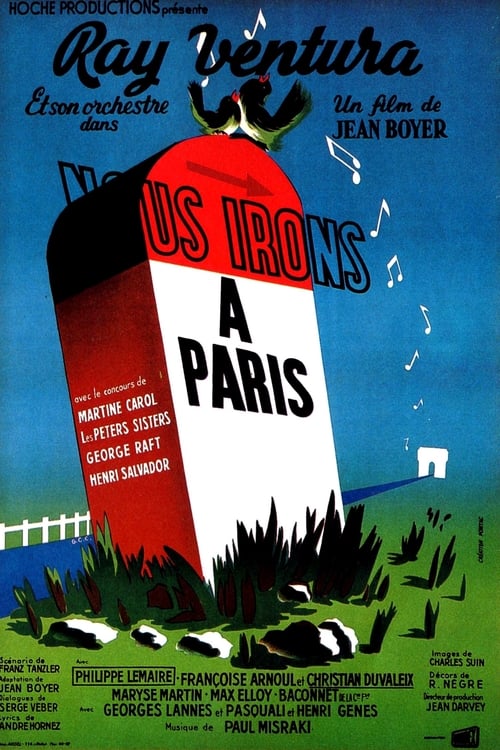
Representation Score
Limited
1950
Director
Jean Boyer
Runtime
93 minutes
Average Rating
No ratings yetNew Showbiz Analysis
Jean Boyer’s musical comedy serves as a period-specific piece of commercial entertainment. The film's structure is designed to uphold the social and cultural norms of post-war France rather than disrupt them. The narrative lacks complexity, focusing instead on situational humor surrounding an amateur clandestine radio station. This focus suggests a preference for escapism over social critique. Ultimately, the film functions as a product of its era, reflecting the limited demographic diversity and traditional hierarchies prevalent in mid-century European cinema.
Category Breakdown
The film focuses on the comedic interactions of radio presenters and seems to follow the straight-centered social standards typical of 1950s French musical comedies.
The narrative lacks specific details about the gender of the three presenters. Female characters likely occupy traditional roles such as charm or comedic relief.
The production reflects the homogeneous, Eurocentric casting common in the 1950s French studio system. There is no evidence of diverse ethnic ensembles.
The story centers on a localized French setting and community entertainment. It likely reinforces traditional social cohesion rather than offering systemic critiques.
There is no documented evidence regarding the inclusion of characters with physical or neurodivergent disabilities in this film.
Present on Screen
Limited or Absent
Official Synopsis
The film tells the story of three presenters on Radio X, an amateur clandestine radio station.
1954
1939

1950
1936
1957

1972
1944
1933
No reviews yet. Be the first to share your thoughts on this movie!
Use the rating form above to leave a star rating and optional review.