Monstrum
2018
No user ratings available yet
Representation score: 3.6 out of 10
Representation Score
Limited
2007
PG-13Director
Shim Hyung-rae
Runtime
90 minutes
Average Rating
No ratings yetNew Showbiz Analysis
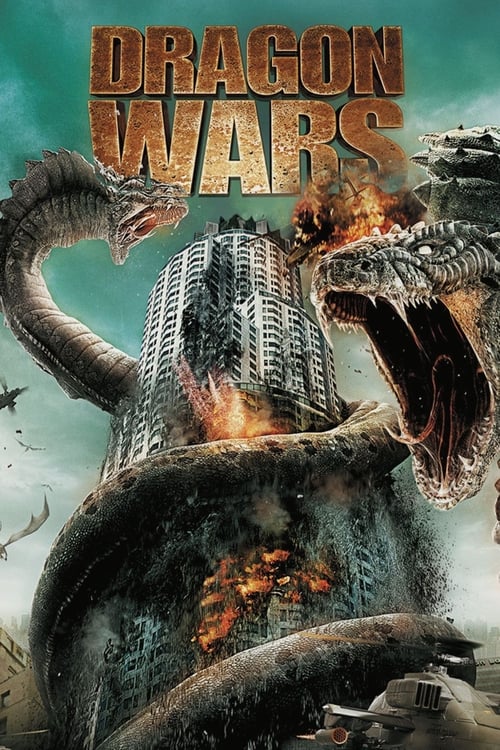
Dragon Wars: D-War stands out as a cultural disruptor by centering 13th-century Korean mythology within a high-fantasy spectacle. By emphasizing East Asian lore and casting, it challenges the era's Western-centric genre standards. However, the film adheres to traditional social hierarchies. The narrative follows conventional gender roles and a strictly heterosexual romantic structure, limiting its depth in representing diverse identities. Ultimately, Dragon Wars celebrates heritage through mythic destiny, favoring a focus on ancient traditions over complex social deconstruction or diverse identity representation.
Category Breakdown
The film centers on a traditional, heterosexual romantic relationship between the main characters. There is no representation of LGBTQ+ identities or subtext.
The male protagonist drives the story, following a classic hero's journey. The female lead plays a crucial role but remains within the 'beloved' archetype.
The production breaks Western-centric fantasy norms by focusing on 13th-century Korean mythology and featuring a predominantly Korean cast. It elevates East Asian lore to a global stage.
The story emphasizes ancient traditions and mythic destiny without addressing social critiques. It celebrates cultural heritage through a binary struggle of good versus evil.
There are no prominent depictions of visible or invisible disabilities. Characters with disabilities are not central plot devices.
Present on Screen
Limited or Absent
Official Synopsis
Ethan learns he carries the spirit of a warrior who battled dragons in 16th-century Korea -- and one day he'll find a tattooed girl carrying the spirit of that warrior's beloved. Years later, he meets Sarah and dragons soon descend on Los Angeles seeking out the two souls of the ancient lovers.
2018
2006
2009
2018
2021
2001
2003
2007
No reviews yet. Be the first to share your thoughts on this movie!
Use the rating form above to leave a star rating and optional review.