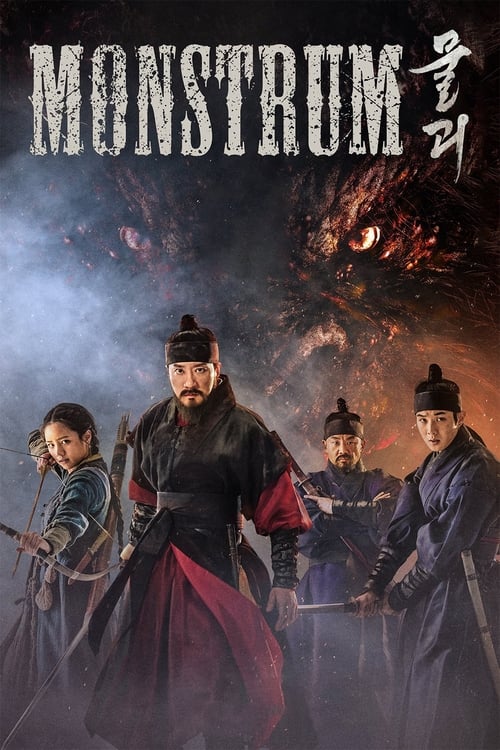
Monstrum
2018
No user ratings available yet
Representation score: 3.6 out of 10
Representation Score
Fair
2018
NRDirector
Kim Sung-hoon
Runtime
122 minutes
Average Rating
No ratings yetNew Showbiz Analysis
Rampant is a genre-driven film that explores systemic failures against a historical backdrop. It focuses on the tension between institutional stability and individual survival, using a plague to criticize centralized power. While the film lacks modern markers like LGBTQ+ representation or gender parity, it delves into the deconstruction of authority. The monarchy is portrayed as a source of instability rather than order. Ultimately, the film's strength lies in its portrayal of socioeconomic stratification and the necessity of rebellion against a failed state, even if it adheres to traditional period-piece gender hierarchies.
Category Breakdown
The film is set in 17th-century Joseon and does not include any LGBTQ+ characters or stories about non-straight relationships.
Male characters dominate the story, particularly in combat roles. Female characters are mostly confined to domestic or ceremonial duties within the royal court.
The cast is ethnically uniform, reflecting the historical context of Korea. The film explores social stratification and the exclusion of peasants.
The film criticizes the monarchy and ruling class for being corrupt and ineffective. Survival is shown to require abandoning traditional Confucian ethics.
Monsters in the film symbolize loss of bodily autonomy and physical ailments. There is no focus on neurodivergence or non-combatant disabilities.
Present on Screen
Limited or Absent
Official Synopsis
Ancient Korea, 17th century. While the paranoid King Lee Jo of Joseon, vassal of the Qing dynasty, feels surrounded by conspirators and rebels, a dark evil emerges from the bowels of a merchant ship and the exiled Prince Lee Cheung returns to the royal court, ignoring that he will have to lead the few capable of defeating the ambitious humans and the bloody monsters who threaten to destroy the kingdom.
2018

2014

1986
2017
2017
No reviews yet. Be the first to share your thoughts on this movie!
Use the rating form above to leave a star rating and optional review.