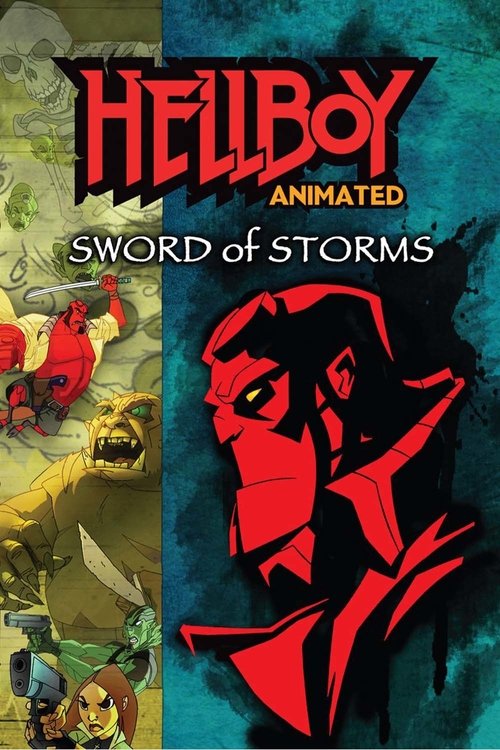
Hellboy Animated: Sword of Storms
2006
No user ratings available yet
Representation score: 4.7 out of 10
Representation Score
Limited
2007
UnratedDirector
Tad Stones, Victor Cook
Runtime
75 minutes
Average Rating
No ratings yetNew Showbiz Analysis
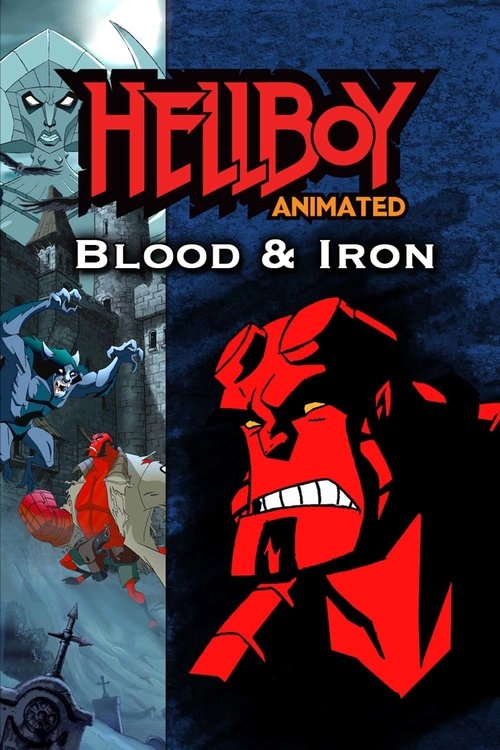
Hellboy Animated: Blood and Iron is a traditional genre piece that prioritizes mythic action and supernatural horror. While it features capable female characters and non-human protagonists, the film lacks the intentionality required to disrupt conventional social hierarchies. The narrative operates within a standard adventure framework, relying heavily on established horror clichés and Western mythological foundations. It does not engage with multi-layered identity politics or systemic social critiques. Ultimately, the film functions as a straightforward supernatural procedural, focusing on spectacle rather than the deconstruction of institutional or social structures.
Category Breakdown
The film does not include any LGBTQ+ characters and does not explore non-straight relationships. The story focuses entirely on supernatural conflicts involving the main trio.
Liz Sherman provides a strong presence with significant elemental control. However, the narrative is driven by Hellboy, and female characters often serve as mythic archetypes.
The setting leans toward a homogeneous, Western-centric supernatural folklore. There is no evidence of intentional diverse casting or non-human species used as metaphors for diversity.
The film follows a conventional monster-hunter structure without engaging in secularist or anti-Western critiques. It portrays the B.P.R.D. as a professional, structured authority.
Hellboy and Abe Sapien have non-human physicalities, but these are treated as standard genre elements. They function as archetypal monsters rather than nuanced explorations of disability.
Present on Screen
Limited or Absent
Official Synopsis
When Hellboy, Liz Sherman, and Abe Sapien are assigned to investigate the ghost-infested mansion of a publicity-hound billionaire, they uncover a plot to resurrect a beautiful yet monstrous vampire from Professor Bruttenholm’s past. But before they can stop her bloodbath, Hellboy will have to battle harpies, hellhounds, a giant werewolf, and even the ferocious goddess Hecate herself.
2006
2005
2016
2018
2011
1990
2004
2017
No reviews yet. Be the first to share your thoughts on this movie!
Use the rating form above to leave a star rating and optional review.