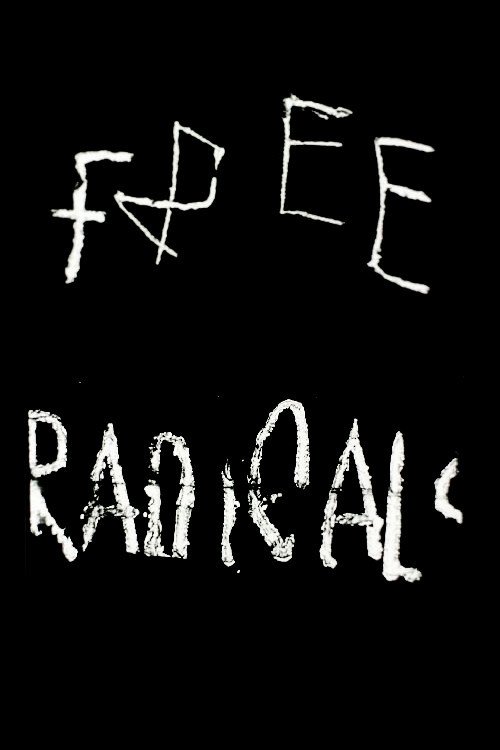
Free Radicals
1958
No user ratings available yet
Representation score: 2.4 out of 10
No Poster Available
Representation Score
Excellent
1980
Director
Len Lye
Runtime
4 minutes
Average Rating
No ratings yetNew Showbiz Analysis
Len Lye’s *Particles in Space* is a non-narrative experiment that replaces human characters with kinetic energy and rhythmic abstraction. Since the film lacks dialogue and social hierarchies, it does not engage with interpersonal representation such as gender, disability, or LGBTQ+ identities. However, the film excels in its auditory landscape, which blends Bahamian and Yoruba rhythms to create a globalized sound. This approach challenges Western musical traditions typically found in avant-garde cinema. Ultimately, the work prioritizes a decentralized, rhythmic aesthetic over traditional storytelling, avoiding reinforcement of Western social hierarchies.
Category Breakdown
This film does not include any characters with gendered or sexual identities. Since it is an abstract work, there are no depictions of LGBTQ+ identities or assumptions about straight relationships.
The film avoids any gendered social dynamics by removing human characters. Without human forms, it bypasses traditional gender hierarchies.
The film showcases a rich, integrated auditory composition by blending Bahamian and Yoruba drum music. This fusion challenges Western musical dominance and promotes a globalized sound.
The film adopts a non-Western, decentralized aesthetic. It emphasizes rhythmic, non-linear soundscapes rather than traditional European musical structures and hierarchies.
There are no characters or depictions of disability in this abstract work. The film focuses solely on visual and auditory elements without representing physical or cognitive differences.
Present on Screen
Limited or Absent
Official Synopsis
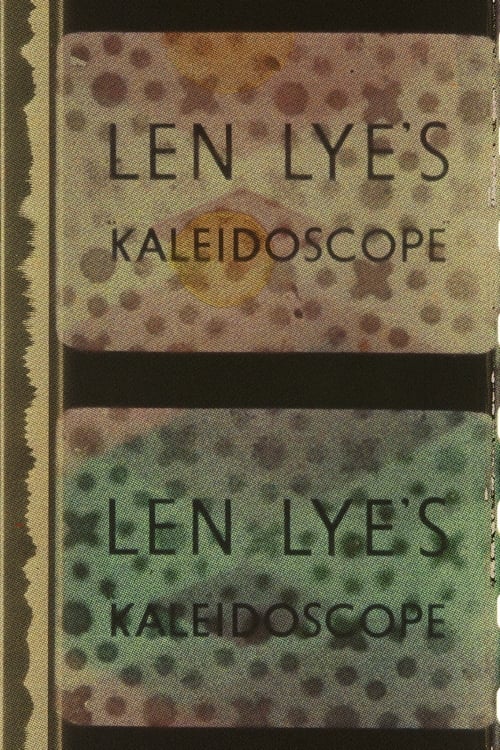
Lye completed his last great film a few months before his death at the age of 78. The film returned to the black-and-white techniques of Free Radicals. Lye created what he called “vibrant little images” or “zig-zags” with a sense of “zizz”. The clusters of small scratches gave the film a unique texture – the images looked rough but were in fact extremely subtle. The title Particles in Space referred to flashes of energy of the kind sometimes seen by astronauts in space. The soundtrack combined “Jumping Dance Drums” from the Bahamas with drum music by the Yoruba of Nigeria and the sounds of Lye’s metal kinetic sculptures. The opening titles demonstrated Lye’s mastery of the scratching of letters and words on film, a method imitated by other film-makers such as Stan Brakhage.
1958
1952
1981
1935
1929
1935
1936
1970
No reviews yet. Be the first to share your thoughts on this movie!
Use the rating form above to leave a star rating and optional review.