A Colour Box
1935
No user ratings available yet
Representation score: 0.7 out of 10
Representation Score
Limited
1929
Director
Len Lye
Runtime
9 minutes
Average Rating
No ratings yetNew Showbiz Analysis
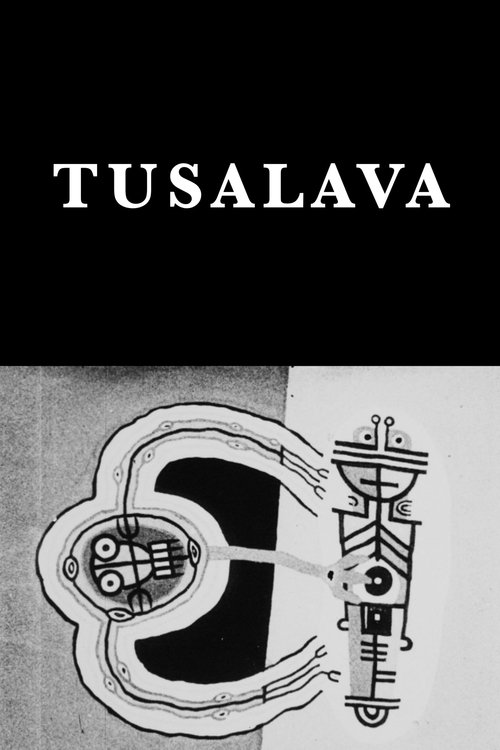
Tusalava operates outside traditional character-driven storytelling due to its abstract, non-narrative format. It doesn't engage with multi-layered identity politics because it focuses on organic and geometric forms rather than people. However, the film achieves progressive value through its narrative structure. By incorporating tribal motifs and emphasizing symbiosis over conquest, it disrupts conventional Western cinematic clichés of conflict and individual dominance. The work serves as an early example of visual deconstruction, prioritizing cultural abstraction over the rigid social hierarchies prevalent in 1920s mainstream media.
Category Breakdown
The film doesn't show any conversations or relationships between characters. Since it's an abstract animation, there are no indications of gender or sexuality.
The work doesn't have any human-like characters or figures that represent gender. The focus is on biological rhythms and shapes, so there's no analysis of social roles.
The visual style includes motifs from tribal cultures, blending non-Western elements into a modernist design. This breaks away from typical Western-focused animation by using rhythmic, non-Anglo-Saxon patterns.
The story emphasizes cooperation and natural growth over individual heroics. This indicates a move away from strict Western hierarchies towards a more interconnected worldview.
There are no sentient characters shown. Therefore, there is no depiction of neurodivergence or physical disabilities.
Present on Screen
Limited or Absent
Official Synopsis
With the screen split asymmetrically, one part in positive, the other negative, the film documents the evolution of simple celled organic forms into chains of cells then more complex images from tribal cultures and contemporary modernist concepts. The images react, interpenetrate, perhaps attack, absorb and separate, until a final symbiosis (or redemption?) is achieved.
1935
1924
1952
1926
1927
1958
1931
1921
No reviews yet. Be the first to share your thoughts on this movie!
Use the rating form above to leave a star rating and optional review.