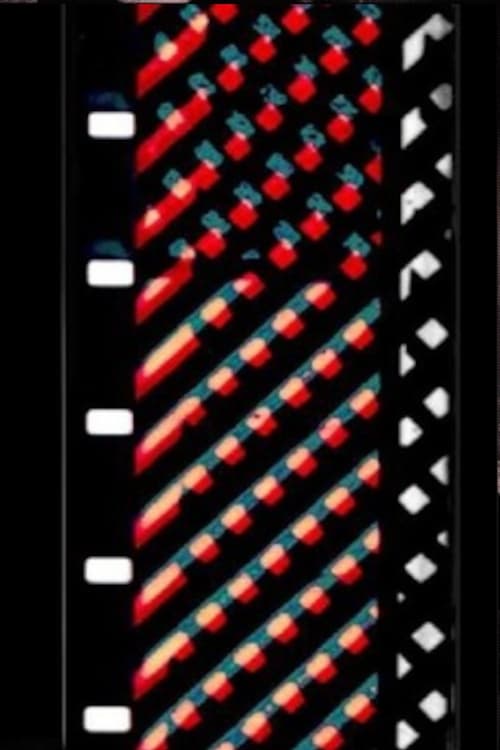
Dresden Dynamo
1971
No user ratings available yet
Representation score: 8.0 out of 10

Representation Score
Fair
1970
Director
José Antonio Sistiaga
Runtime
72 minutes
Average Rating
No ratings yetNew Showbiz Analysis
This experimental animation operates entirely outside the parameters of social representation. Because it eschews narrative, dialogue, and human figures, traditional metrics of identity and ability to act are not applicable to the work. Instead, the film achieves a form of diversity through its formalist subversion. It dismantles the cinematic structures typically used to enforce social norms by replacing character-driven clichés with abstract expressionism and sensory exploration. While the lack of diverse characters results in a moderate score, the film's refusal to adhere to conventional cinematic hierarchies marks it as a work of significant aesthetic independence.
Category Breakdown
The film contains no explicit depictions of gender identity or sexual orientation. As a purely abstract animation, it does not engage with human sexuality. The score reflects a neutral stance due to the absence of characters.
By removing the human gaze, the film disrupts traditional gendered hierarchies of 1970s cinema. It avoids reinforcing masculine leadership or submissive femininity, though it remains a neutral formalist exercise without character-driven subversion.
The work lacks a human cast but possesses significant cultural context. The pseudo-Basque title and director's background suggest a localized, non-Anglo-Saxon origin that prioritizes regional aesthetic identity over globalized commercial standards.
The film embraces mysticism and synesthesia to challenge the hegemony of linear, rationalist Western storytelling. Its focus on constant mutations and chromaticism functions as a rejection of rigid, ordered narrative structures.
No assessment of neurodivergence or physical disability is possible. The film features no characters to depict these traits.
Present on Screen
Limited or Absent
Official Synopsis
An experimental film: dozens of pictorial techniques applied directly on celluloid; a work of impressive aesthetics that recovers certain ideas of abstract expressionism: endless chromaticism, constant mutations, the music of the cosmos, mysticism, synesthesia… and an enigmatic title that, although it imitates the phonetics of the Basque language, means nothing.
1971

1971
1994
1966
1946

1970
1940
1960
No reviews yet. Be the first to share your thoughts on this movie!
Use the rating form above to leave a star rating and optional review.