The Living Desert
1953
No user ratings available yet
Diversity score: 1.0 out of 10
1954
ApprovedDirector
James Algar
Runtime
71 minutes
Average Rating
No ratings yetSynopsis
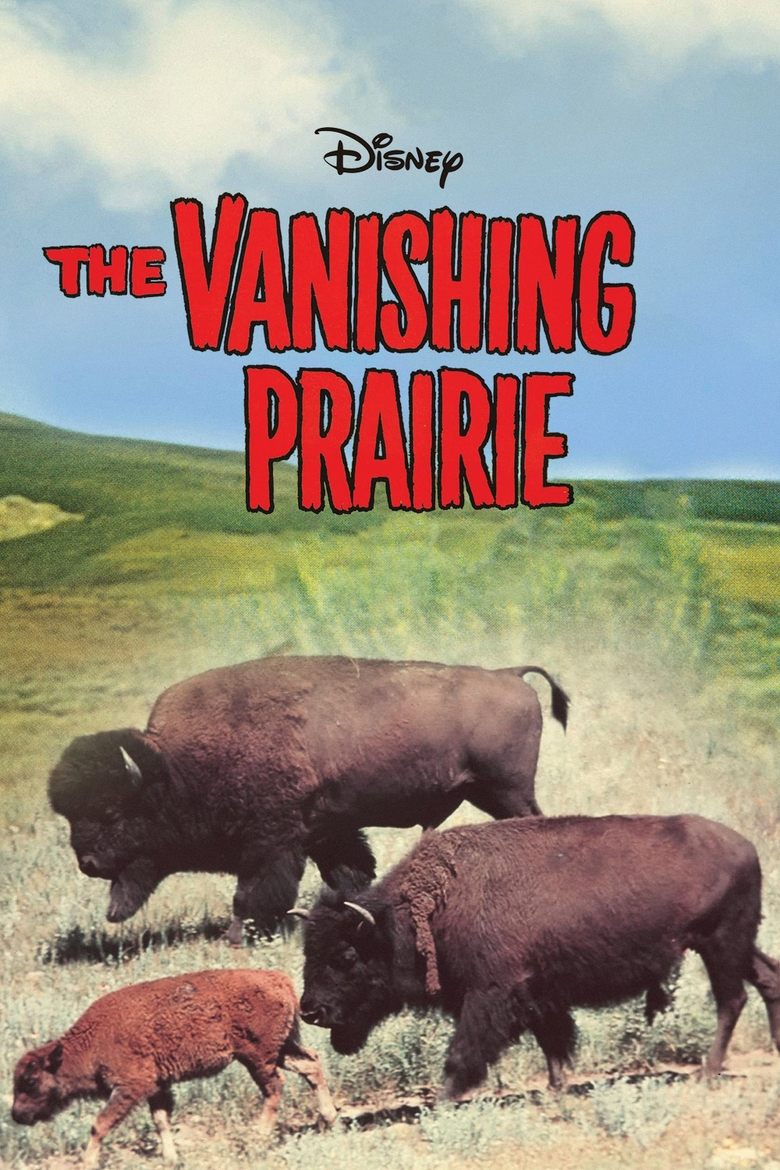
Story of the American Prairie as it was when vast herds of bison and elk grazed.
Overall Score
Minimal
Category Breakdown
LGBTQ+ Representation
The film focuses entirely on wildlife and ecosystems. There are no human characters or romantic subplots to depict LGBTQ+ identities.
Gender Representation
The narrative centers on animal migratory patterns. No human characters are present to demonstrate or subvert gender hierarchies or social roles.
Racial & Ethnic Diversity
The focus remains strictly on bison and elk. The film lacks a diverse human cast or the inclusion of Indigenous perspectives regarding the land.
Religious & Cultural Diversity
The film follows a traditional mid-century naturalist perspective. It functions as an observational record rather than a social or cultural critique.
Disability Representation
Because the film does not feature human subjects, there is no representation of visible or invisible disabilities.
Strengths
Areas for Improvement
AI Analysis
The Vanishing Prairie is a mid-century nature documentary centered on the ecological history of the American West. Its primary subject matter is the movement of bison and elk herds across the prairie. Because the film is non-anthropocentric, it lacks the human characters and interpersonal frameworks necessary to engage with social identity politics. The narrative is driven by environmental observation rather than character-driven social dynamics. Ultimately, the film's low diversity score reflects its narrow focus on fauna. It treats the landscape as a natural space rather than a culturally inhabited one, omitting human social contexts.
1953
1952
1956
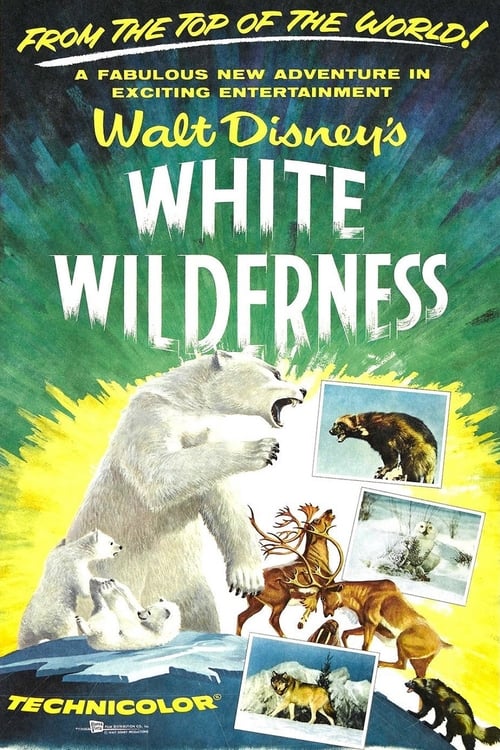
1958

1951
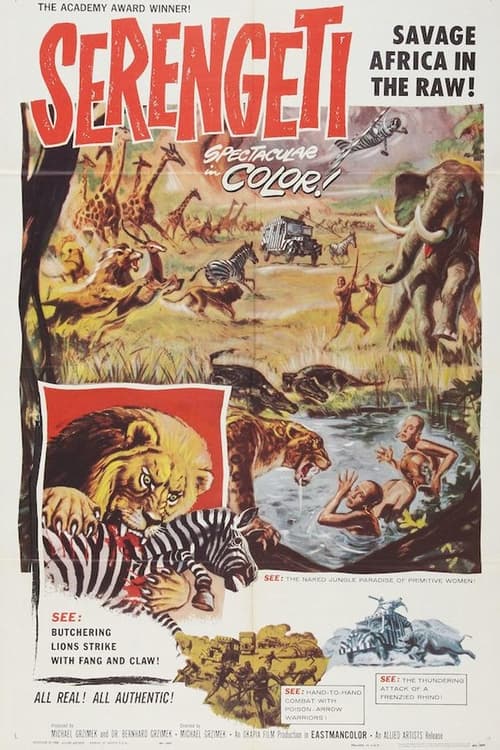
1959
1955
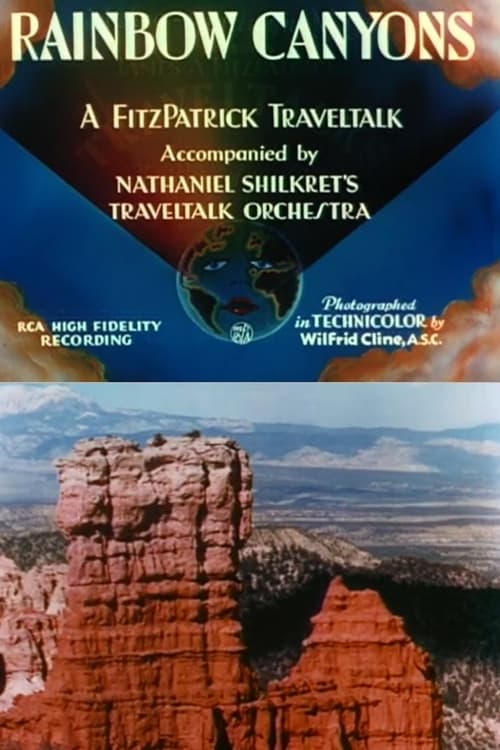
1935
1953
2001
2022
1964
No reviews yet. Be the first to share your thoughts on this movie!
Use the rating form above to leave a star rating and optional review.