
Bear Country
1953
No user ratings available yet
Representation score: 0.1 out of 10
Representation Score
Minimal
1939
ApprovedDirector
John A. Haeseler
Runtime
10 minutes
Average Rating
No ratings yetNew Showbiz Analysis
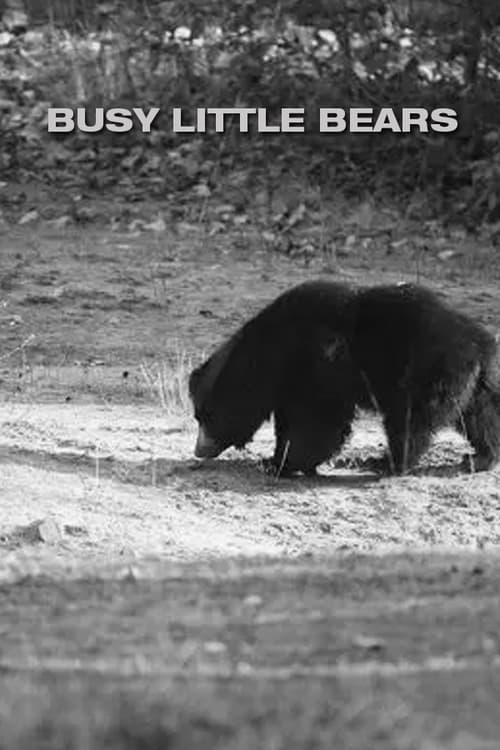
Busy Little Bears is a traditional 1939 nature documentary focusing on three bear cubs exploring the Sierra Nevada wilderness. Since the film does not include human characters, it cannot depict gender hierarchies, racial diversity, or LGBTQ+ identities. The film operates as a straightforward biological study, observing the cubs' behavior without delving into human social structures. Consequently, it does not engage with human-centric themes such as culture, religion, or social dynamics.
Category Breakdown
The film focuses entirely on animal behavior in the wild. Because it lacks human characters, there are no LGBTQ+ identities or narratives present.
The narrative centers on biological observation of bear cubs. It does not depict human gender hierarchies or social roles.
The scope is limited to the Sierra Nevada wilderness. The absence of a human cast makes racial or ethnic diversity inapplicable.
The film follows a conventional mid-century documentary style. It presents nature as a neutral entity without engaging in cultural or political critique.
The film focuses on the standard biological functions of the cubs. No characters are portrayed through the lens of disability or neurodivergence.
Present on Screen
Limited or Absent
Official Synopsis
Busy Little Bears is a 1939 American short family film directed by John A. Haeseler. The film follows three bear cubs are observed exploring the forests of the Sierra Nevadas, encountering other wildlife, and invading the kitchen of a local ranch house. It won an Oscar at the 12th Academy Awards in 1940 for Best Short Subject (One-Reel). Preserved by the Academy Film Archive in partnership with UCLA Film & Television Archive in 2013.
1953

2016
1946
2014
2014
1988
1936
1941
No reviews yet. Be the first to share your thoughts on this movie!
Use the rating form above to leave a star rating and optional review.