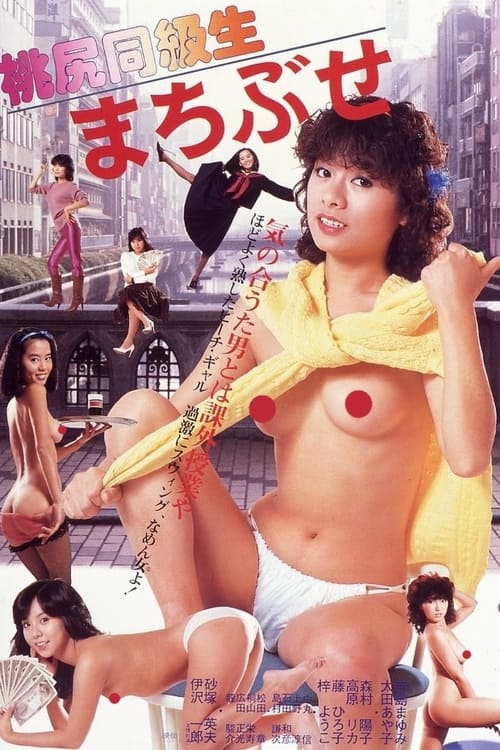
College Girls: Sex Equation
1973
No user ratings available yet
Representation score: 5.7 out of 10
Representation Score
Good
1982
R-18+Director
Kōyū Ohara
Runtime
70 minutes
Average Rating
No ratings yetNew Showbiz Analysis
The film offers a nuanced portrayal of women's ability to drive the story within a underrepresented social setting. By focusing on women navigating the sex trade, it challenges traditional patriarchal hierarchies and overturns typical masculine stereotypes. However, the film's scope is limited by its genre and the homogeneity of its 1980s Japanese cast. While it critiques societal norms, it falls short in providing depth to LGBTQ+ identities and disability.
Category Breakdown
The film does not explicitly show LGBTQ+ identities or relationships outside of heterosexual norms. The main plot revolves around the interactions between female characters and a male character.
Women play key roles in driving the plot, especially in shaping their economic situations. The character Hideo's inability shifts the focus to the women, challenging traditional masculine stereotypes.
The cast is made up of Japanese actors, reflecting the film's domestic production context. There is no indication of whitewashing or favoring Western racial hierarchies.
The film questions traditional social structures by presenting the sex trade through the lens of survival and moral relativism. It emphasizes situational ethics over conventional moral frameworks.
Hideo's impotence serves as a central plot device, influencing character interactions. However, the film uses his condition mainly as a narrative tool rather than exploring disability in depth.
Present on Screen
Limited or Absent
Official Synopsis
Miki, Saori, and Keiko are three girls who are invited to join a prostitution group run by Miki's sister, Chibi, and are working as prostitutes. One day, they meet Hideo, a man who wants to be a singer. They learn that Hideo is impotent so they agree to treat him...
1973

1956

1981

1986

1974

1975

2004
1978
No reviews yet. Be the first to share your thoughts on this movie!
Use the rating form above to leave a star rating and optional review.