
Zoom Up: Seiko's Thigh
1982
No user ratings available yet
Representation score: 2.4 out of 10
Representation Score
Fair
1978
Director
Kōyū Ohara
Runtime
87 minutes
Average Rating
No ratings yetNew Showbiz Analysis
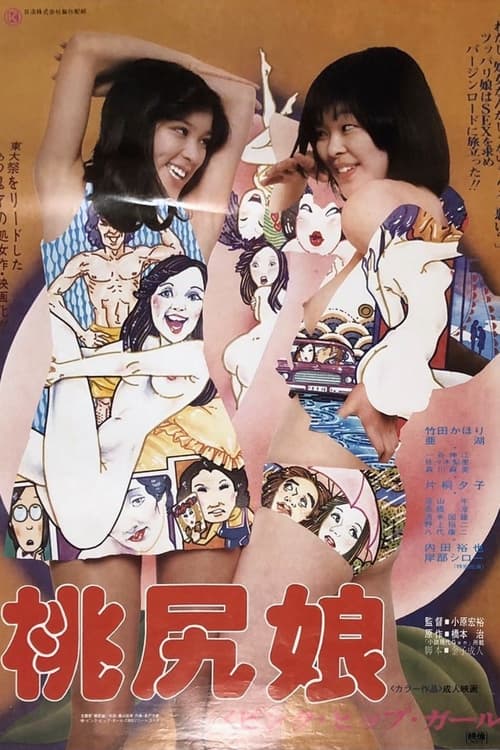
Pink Tush Girl is a character study of female liberation that succeeds in subverting traditional gender roles. By focusing on Yuko's journey to reclaim her autonomy through sexual freedom, the film moves away from the 'scorned woman' cliché common in romantic cinema. However, the film's scope is narrow. It operates within a highly homogeneous social framework, lacking racial diversity and explicit LGBTQ+ representation. While it challenges social norms, it does so through a strictly straight-centered lens. Ultimately, the film offers a progressive look at individualistic morality for its time, even if it lacks broader multi-layered breadth.
Category Breakdown
The film does not depict LGBTQ+ identities or non-straight relationships. The narrative focuses on the protagonist's interactions with men.
Yuko challenges traditional gender roles by reclaiming her autonomy through sexual exploration. She shifts from being a passive victim of heartbreak to an active seeker of pleasure.
The cast is ethnically uniform, reflecting the localized social reality of 1970s Japan. There is no indication of multicultural casting or race-bending.
The story prioritizes individual experience over traditional social structures. It frames casual encounters as a way to process emotions, challenging conservative moral codes and the sanctity of the family unit.
There is no evidence regarding the inclusion or portrayal of characters with physical or neurodivergent disabilities.
Present on Screen
Limited or Absent
Official Synopsis
As two Japanese high school students, Rena and Yuko, navigate their first uncertain sexual experiences, they travel across Japan, discovering how choices they face can both separate and unite them.
1982

1965

2010

2018

1988

1978
1983

2009
No reviews yet. Be the first to share your thoughts on this movie!
Use the rating form above to leave a star rating and optional review.