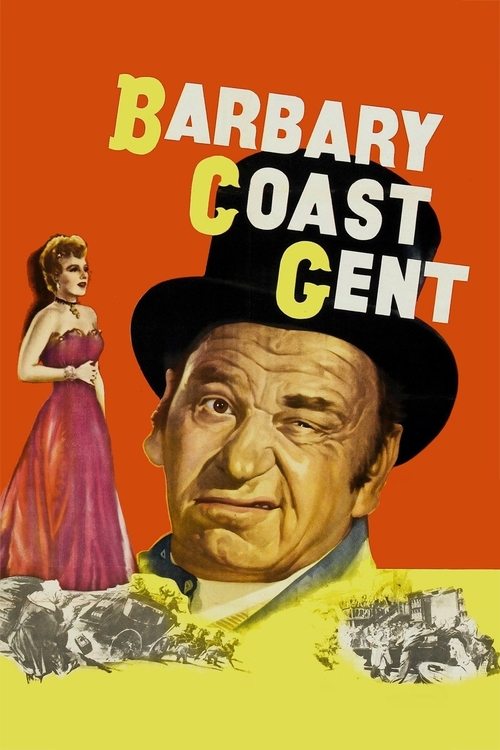
Barbary Coast Gent
1944
No user ratings available yet
Representation score: 1.8 out of 10
Representation Score
Minimal
1944
NRDirector
William A. Seiter
Runtime
83 minutes
Average Rating
No ratings yetNew Showbiz Analysis
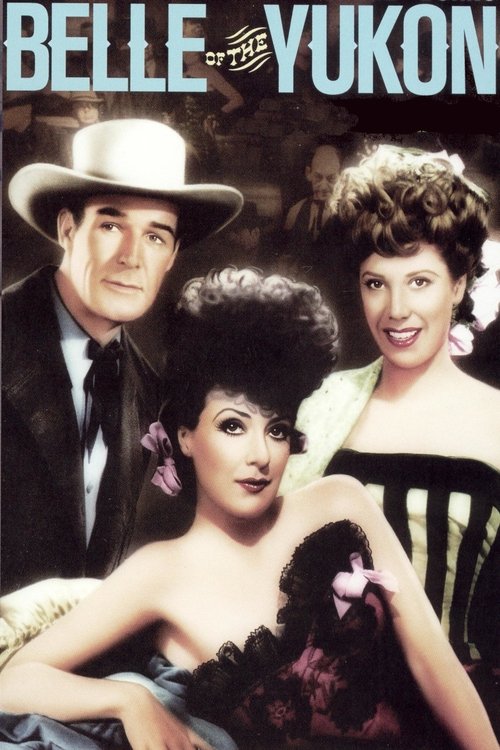
Belle of the Yukon is a classic example of its time, designed for mainstream entertainment through traditional romantic comedy. It does not challenge or disrupt conventional expectations or social hierarchies of the mid-1940s. The film focuses on escapism and reinforces established cultural norms.
Category Breakdown
There are no queer identities or subtexts in the film. Romantic conflicts are based on the assumption that everyone is straight.
Belle De Valle plays a central role as a performer, but her influence is tied to the romantic storyline. The film reinforces traditional gender roles through the 'dancing girl' stereotype.
The cast and setting reflect a homogeneous demographic typical of 1940s Westerns. There is no representation of diverse ethnic backgrounds.
The story serves as escapist entertainment, emphasizing romantic resolution and social stability. It uses the gold rush setting as a backdrop for conventional musical storytelling.
No visible or invisible disabilities are part of the character arcs. Characters are portrayed as physically fit for musical comedy.
Present on Screen
Limited or Absent
Official Synopsis
Left by a con man, Belle De Valle, a dancer, finds him again in gold-rush Alaska running an honest casino/dance hall.
1944
1960
1942
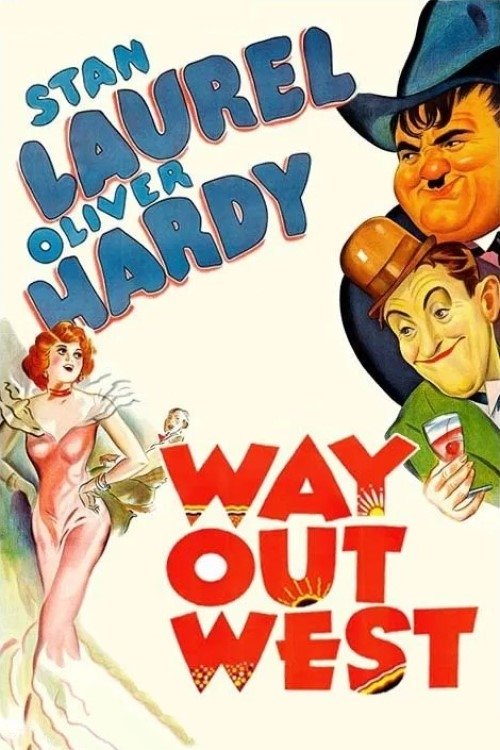
1937
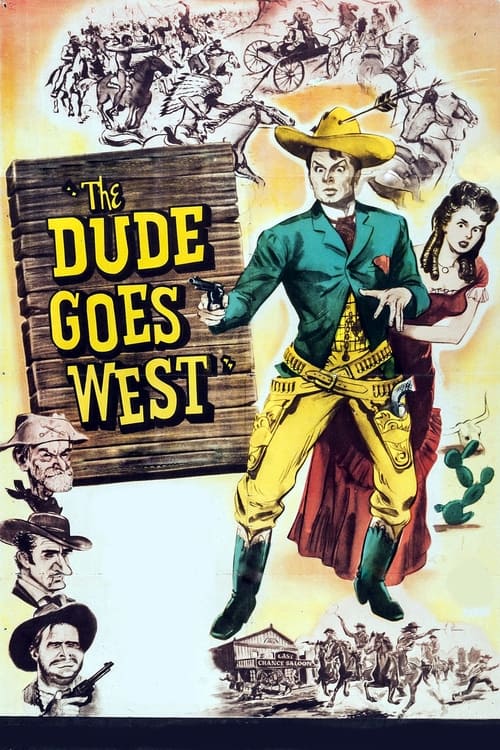
1948
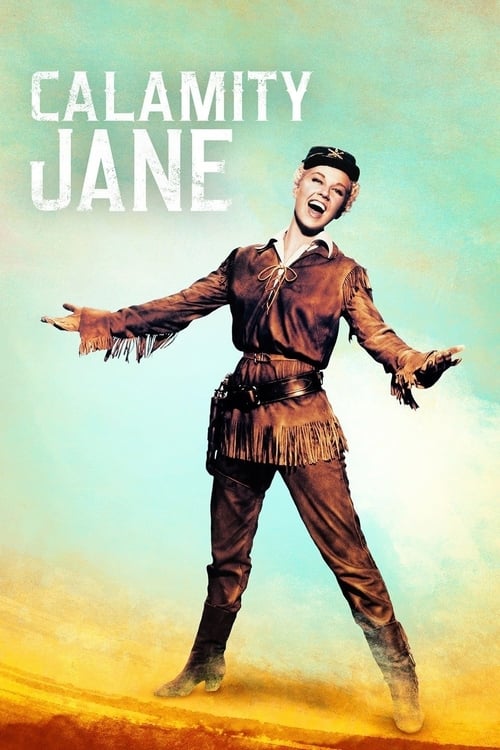
1953
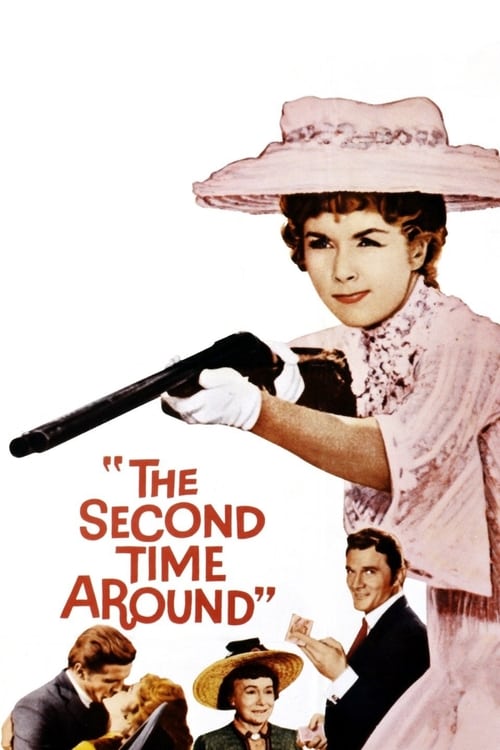
1961
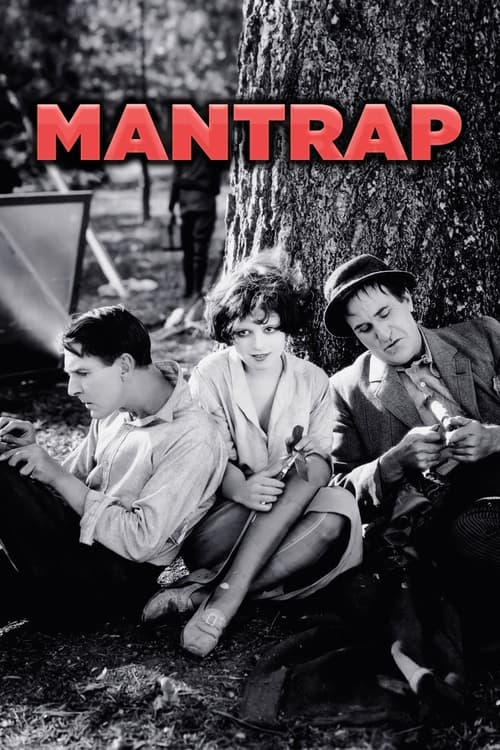
1926
No reviews yet. Be the first to share your thoughts on this movie!
Use the rating form above to leave a star rating and optional review.