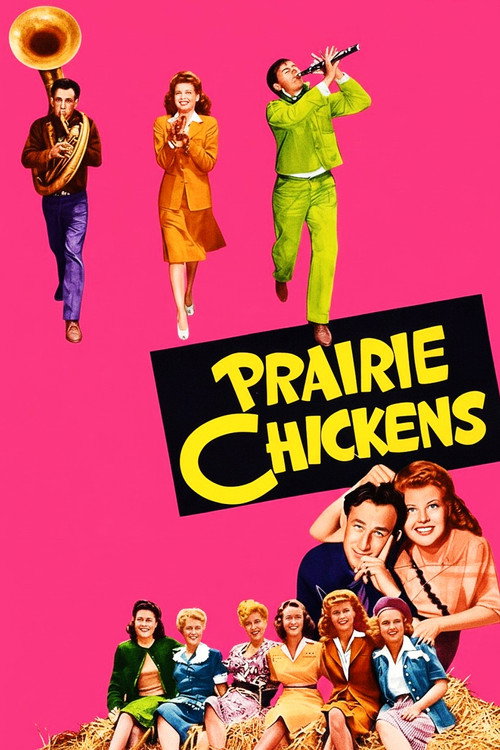
Prairie Chickens
1943
No user ratings available yet
Representation score: 0.5 out of 10
Representation Score
Minimal
1941
ApprovedDirector
Ray McCarey
Runtime
68 minutes
Average Rating
No ratings yetNew Showbiz Analysis
The film operates as a traditional genre piece that aligns with the social and cultural norms of 1940s American cinema. It relies heavily on well-established clichés rather than challenging them. The narrative structure reinforces traditional gender roles, particularly through a power dynamic where femininity is portrayed as disruptive and needing male control. This reflects the era's typical approach to romantic comedies. Overall, the film does not aim to broaden demographic representations but instead celebrates the classic studio system and traditional Western archetypes.
Category Breakdown
The film does not include any characters with non-traditional gender identities. It follows the social norms of the time, emphasizing traditional romantic relationships.
The story revolves around a spoiled female lead who needs to be controlled by the male protagonist. This dynamic upholds traditional gender roles and male dominance.
The film likely adheres to the homogenous casting practices common in early Hollywood Westerns. There is no indication of a diverse or predominantly non-white cast.
The plot emphasizes individual success and classic Western themes. It celebrates the American frontier spirit without questioning the institutions behind it.
There is no information about the portrayal of physically or neurodivergent characters in this film.
Present on Screen
Limited or Absent
Official Synopsis
A western rodeo rider is cast in a starring role in a new Hollywood film, but his temperamental and spoiled leading lady proves difficult to tame.
1943
1960
1945
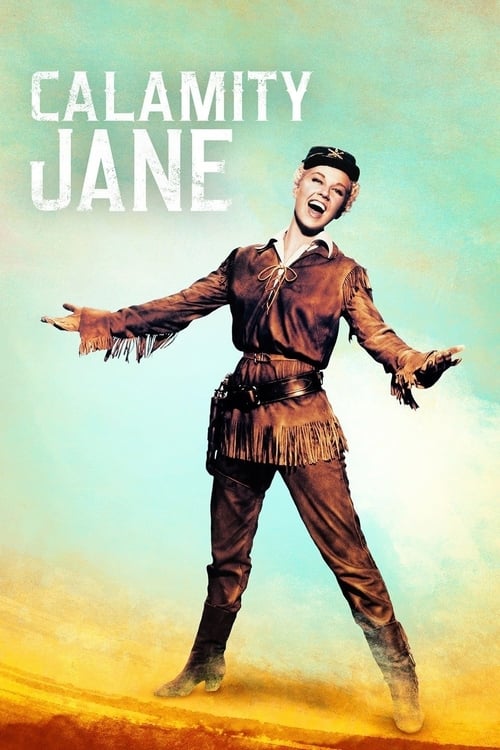
1953
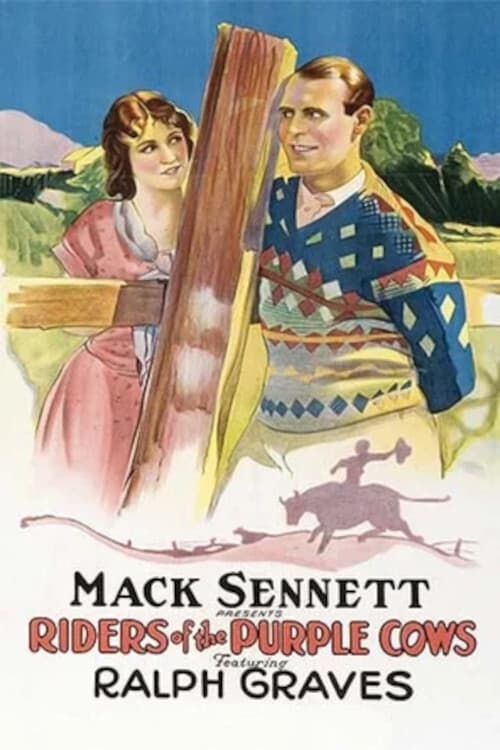
1924
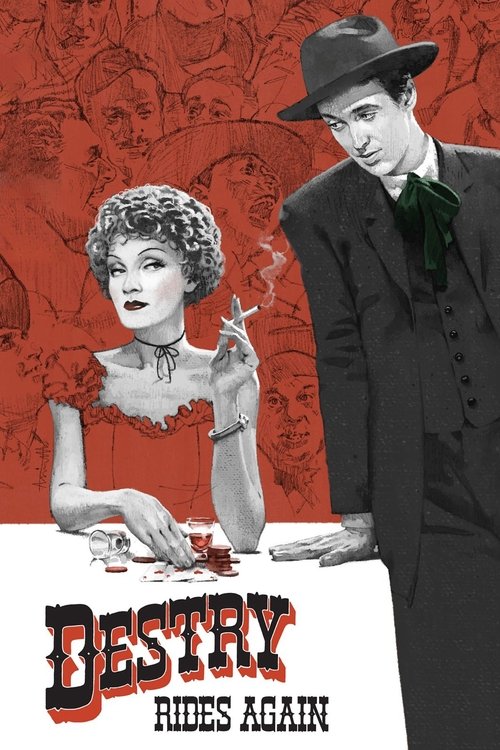
1939
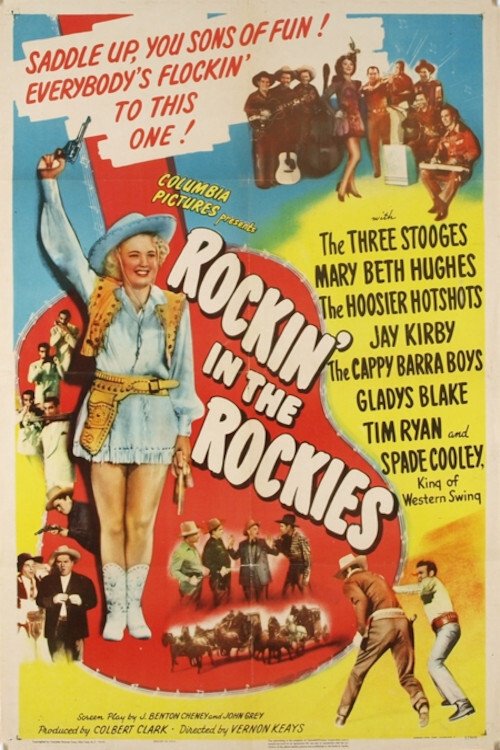
1945
1940
No reviews yet. Be the first to share your thoughts on this movie!
Use the rating form above to leave a star rating and optional review.