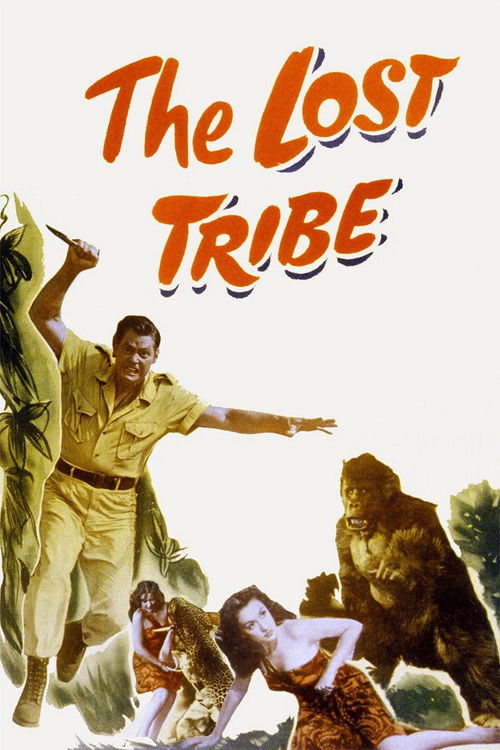
The Lost Tribe
1949
No user ratings available yet
Representation score: 1.7 out of 10
Representation Score
Minimal
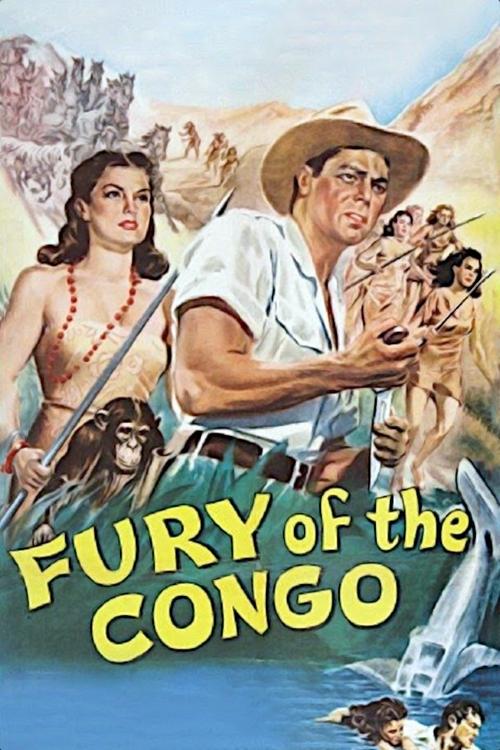
1951
NRDirector
William Berke
Runtime
69 minutes
Average Rating
No ratings yetNew Showbiz Analysis
Fury of the Congo is a classic example of mid-century adventure cinema, emphasizing traditional adventure clichés over social complexity. The narrative structure supports colonial-era hierarchies and conventional gender roles, focusing on Western explorers in a foreign land. The film lacks depth in representing diverse identities and avoids any critique of the era’s social norms.
Category Breakdown
The film does not include any characters or themes related to LGBTQ+ identities. It focuses on traditional masculine adventure stories typical of the mid-20th century.
Male characters dominate the narrative, taking central roles. Female characters play supporting roles and rarely drive the plot forward.
The cast is mostly white, reflecting the perspective of Western explorers. Indigenous peoples are shown through outdated stereotypes, often as obstacles or threats.
The film follows a traditional Western narrative of discovery. It does not question Western institutions or offer diverse cultural perspectives.
There are no characters with visible or invisible disabilities. All characters are presented as able-bodied explorers without documented neurodivergence or physical impairments.
Present on Screen
Limited or Absent
Official Synopsis
Jungle Jim must protect rare pony-like animals whose glands produce a powerful narcotic. On the way, he fights a giant spider.
1949
1954

1955

1949
1953
1950
1954
1952
No reviews yet. Be the first to share your thoughts on this movie!
Use the rating form above to leave a star rating and optional review.