
Road to Zanzibar
1941
No user ratings available yet
Representation score: 0.4 out of 10
Representation Score
Minimal
1949
NRDirector
Charles Barton
Runtime
79 minutes
Average Rating
No ratings yetNew Showbiz Analysis
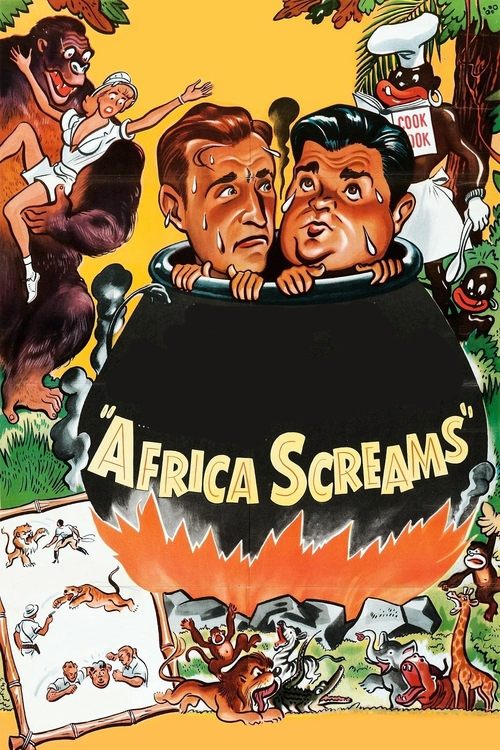
Africa Screams is a mid-century screwball comedy that showcases the slapstick chemistry of Abbott and Costello. The film prioritizes physical humor and mistaken identity over meaningful character development or social engagement. Given its colonial-era setting, the film lacks depth regarding the cultural complexities of Africa. The narrative structure adheres to 1940s studio formulas, maintaining a homogeneous perspective that avoids challenging the status quo. Ultimately, the film is a product of its time, focusing on established comedic personas rather than diverse representation or progressive storytelling.
Category Breakdown
The film does not feature any LGBTQ+ characters or non-cisgender identities. All character dynamics follow traditional heterosexual norms.
The story is driven mainly by the male leads, Abbott and Costello. Female characters play supporting roles that facilitate comedic situations rather than having independent ability to act.
The cast is predominantly white, even though the setting is in Africa. Non-white characters have limited roles and serve primarily as a backdrop for Western comedic clichés.
The narrative sets a colonialist scene as a backdrop for slapstick humor without questioning Western institutions. It follows a traditional structure that avoids challenging established social norms.
There are no visible or invisible disabilities depicted in the film. The movie does not represent neurodivergent or physically disabled characters.
Present on Screen
Limited or Absent
Official Synopsis
When bookseller Buzz cons Diana into thinking that his friend Stanley knows all there is to know about Africa, they are abducted and ordered to lead Diana and her henchmen to an African tribe in search of a fortune in jewels.
1941

1953
1954
1950
1933
1932

1951
1967
No reviews yet. Be the first to share your thoughts on this movie!
Use the rating form above to leave a star rating and optional review.