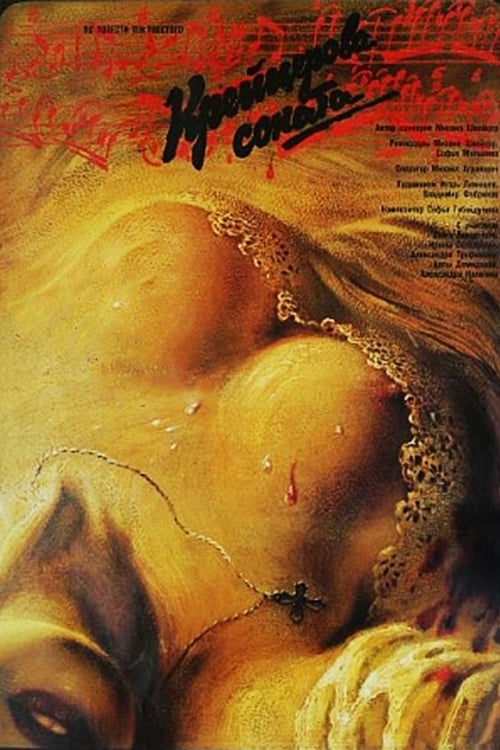
Kreutzer Sonata
1987
No user ratings available yet
Representation score: 1.1 out of 10
Representation Score
Fair
2017
PG-13Director
Karen Shakhnazarov
Runtime
138 minutes
Average Rating
No ratings yetNew Showbiz Analysis
The film serves as a psychological deconstruction of a classical text, emphasizing subjective experience over demographic representation. Its strength lies in dismantling absolute moral authority and exploring the complexities of historical memory. While the narrative structure rejects rigid social structures, the focus remains on traditional romantic tragedies and the male perspective. The setting introduces a multi-ethnic historical texture, but the core cast remains centered on Russian protagonists. Ultimately, the work offers a nuanced, postmodern approach to a historical period, though it lacks explicit representation of underrepresented identities or disabilities.
Category Breakdown
The film centers on the psychological impact of a heterosexual romance. There is no depiction of non-straight gender identities or same-sex relationships.
The story challenges traditional hierarchies by examining Anna's choices as a study of her role in the narrative rather than her moral failures. However, the narrative remains focused on the male perspective of navigating her disruption.
Shifting the setting to a remote Manchurian village introduces a non-Western, multi-ethnic historical backdrop. This setting departs from the homogeneous European environments typical of the original source material.
The film critiques rigid social and religious institutions by focusing on moral relativism. It emphasizes a secular, character-driven exploration of human frailty over reinforcing patriotic or religious ideals.
There is no mention of characters dealing with physical, sensory, or neurodivergent disabilities.
Present on Screen
Limited or Absent
Official Synopsis
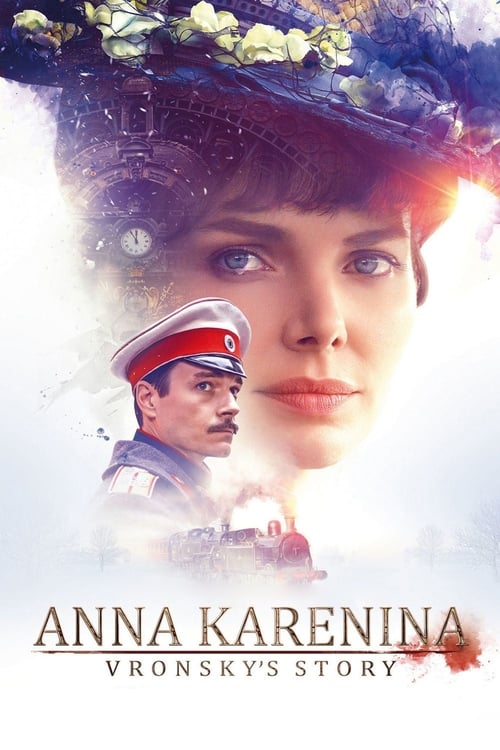
There is no single truth in love. Each treads their own path. Which should take precedence – passion or duty? How do we choose? And who gets to judge? These are the eternal questions, remorselessly thrust upon us by life. Anna Karenina made her choice, leaving her son Sergei to grow up struggling to understand why his mother took such a tragic and terrible path, and Count Vronsky haunted by the memory of the woman for whose death he still blames himself 30 years later. In 1904, in the aftermath of one of the battles of the Russo-Japanese war, Sergei Karenin and Alexei Vronsky find themselves thrown together in a remote Manchurian village, where fate offers them a chance to return to the events long past and, finally, to find the answers both have long been seeking.
1987
1997

1960

1998
1969
1999

2004
1954
No reviews yet. Be the first to share your thoughts on this movie!
Use the rating form above to leave a star rating and optional review.