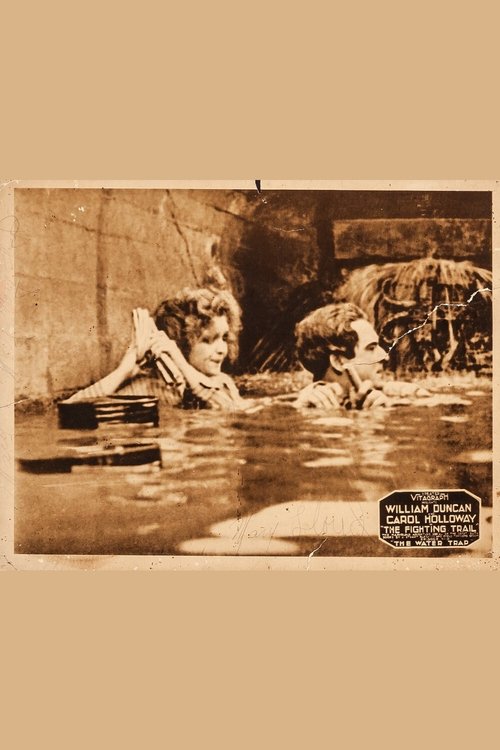
The Fighting Trail
1917
No user ratings available yet
Representation score: 2.1 out of 10

Representation Score
Limited
1924
PassedDirector
William Duncan
Runtime
300 minutes
Average Rating
No ratings yetNew Showbiz Analysis
The film presents a straightforward conflict between law and crime on a mail train. Male protagonists resolve all major plot points through physical confrontation and law enforcement. Women appear as passengers or romantic interests but do not drive the action or hold positions of authority in the resolution. The cast is entirely white, reflecting the standard casting practices of 1920s American cinema. No non-white characters are depicted in principal or supporting roles. The narrative frames legal order and property protection as the primary moral good. There are no LGBTQ+ characters, disabled characters, or non-white actors in the surviving records. The story centers on male lawmen and train crew who defeat the criminals to protect the mail.
Category Breakdown
No same-sex romance or non-heteronormative relationships appear in the surviving records. The narrative relies on standard 1920s romantic pairings between the male lead and female leads.
Men drive the plot as lawmen and outlaws, resolving conflicts through physical action. Women appear as passengers or romantic interests but do not lead the action or solve the central mystery.
The principal cast consists entirely of white actors. No non-white characters are named in the credits or described in the surviving plot summaries.
Law enforcement and legal order are framed as virtuous and effective. The narrative upholds conventional Western values of property protection and civic duty without questioning institutions.
No characters with ongoing disabilities are depicted. Physicality is used for action sequences like chases and fights, but no medical conditions or impairments are present.
Present on Screen
Limited or Absent
Official Synopsis
15 chapter adventure serial: 1. Facing the Crisis 2. Vanishing Diamonds 3. Woman of Mystery 4. Haunted House 5. Perils of the City 6. Cipher Message 7. Bandit Raiders 8. Impostor's Scheme 9. Falsely Accused 10. Path of Danger 11. The Abduction 12. The Trial Run 13. The False Summons 14. Black Treasure 15. Retribution
1917
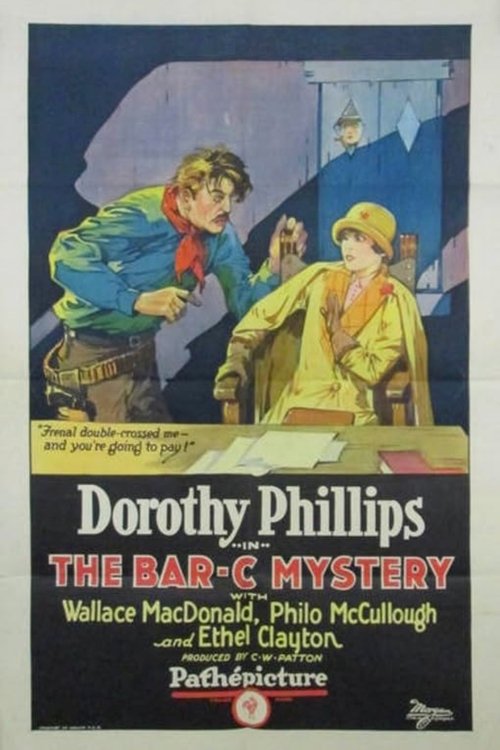
1926
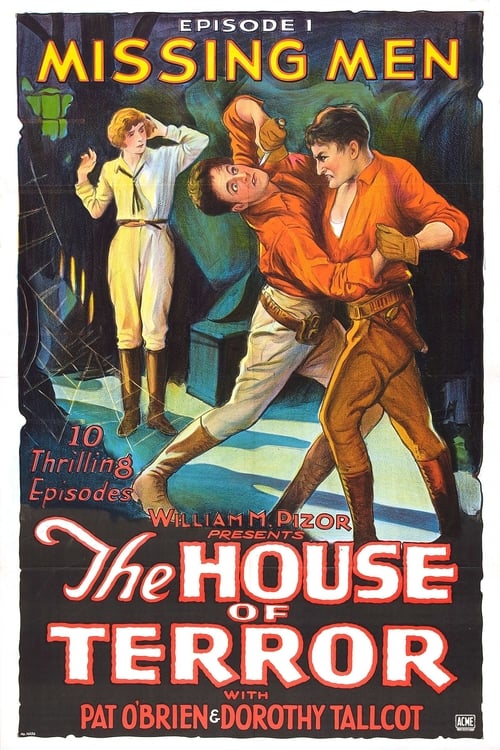
1928
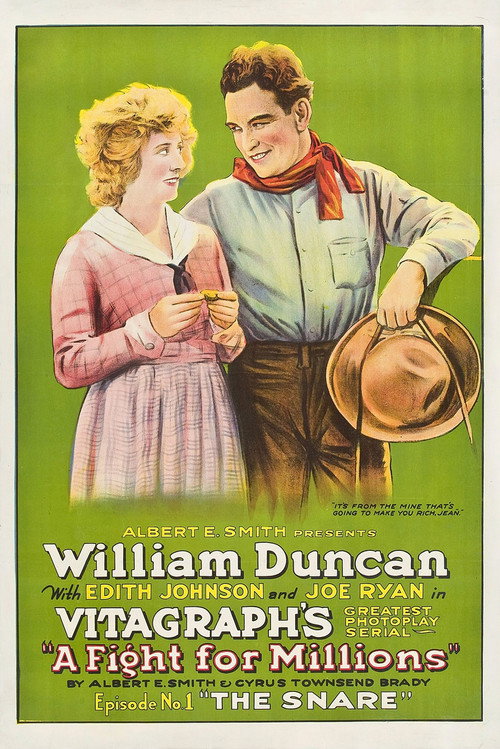
1918
1924
1922
1919

1933
No reviews yet. Be the first to share your thoughts on this movie!
Use the rating form above to leave a star rating and optional review.