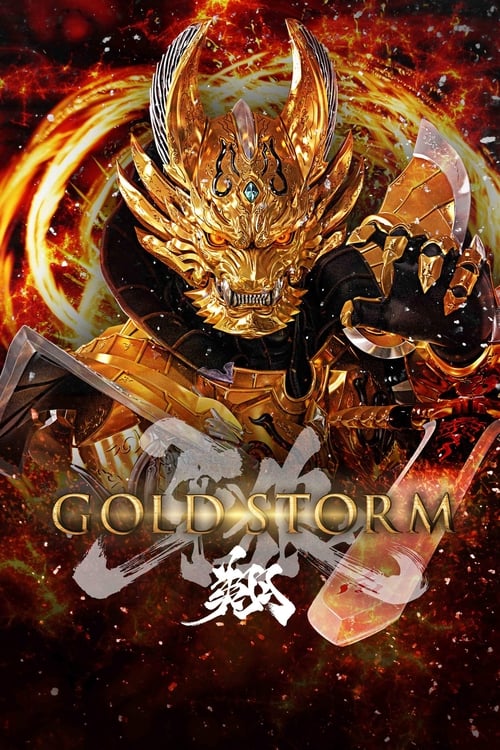
GARO: Gold Storm Flight
2015
No user ratings available yet
Representation score: 3.4 out of 10
Representation Score
Fair
2013
Director
Akira Ohashi
Runtime
61 minutes
Average Rating
No ratings yetNew Showbiz Analysis
The film effectively challenges traditional gender roles by featuring a powerful female antagonist named Higari. However, it remains firmly rooted in a homogeneous cultural and mythological framework, limiting racial and ethnic diversity. While the movie successfully complicates gendered power dynamics, it adheres to conventional clichés regarding social identity and lacks representation for LGBTQ+ identities or disabilities.
Category Breakdown
The story centers around the conflict between Makai Priests and the resurrected Higari. There is no direct mention of LGBTQ+ identities or non-binary gender expressions.
Higari challenges traditional gender roles by serving as a powerful antagonist. She drives the central conflict through her pursuit of forbidden knowledge.
The cast and archetypes are primarily homogeneous, fitting within the specific mythological framework of the Garo universe. The story does not emphasize racial blending or ethnic diversity.
The film delves into the heavy costs of institutional responsibility, highlighting the tragic sacrifices made to create the Tougen Flute. It explores the blurred lines between protectors and those who may be seen as oppressors.
No visible or invisible disabilities are shown as central to the character arcs or the progression of the plot.
Present on Screen
Limited or Absent
Official Synopsis
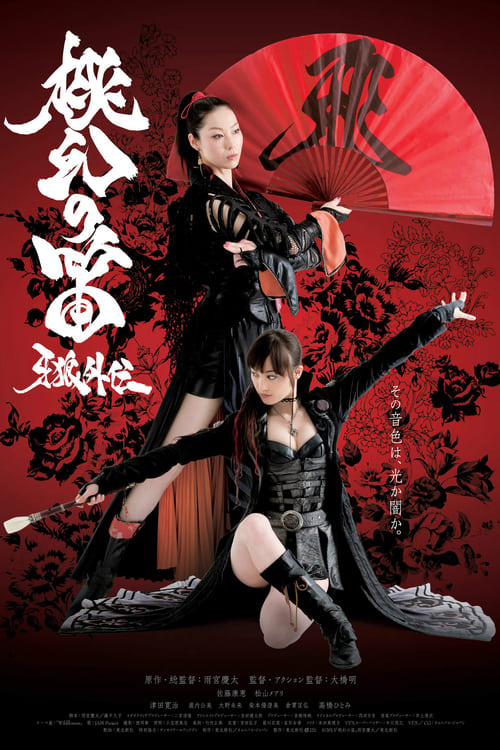
Long ago, a fallen Makai Priestess named Higari became too powerful and after tampering with powers no one should wield, she had to be stopped and was eventually sealed away by another Makai Priest named Sougen. Using his body and his own life, he created the Tougen Flute and sealed Higari shortly after his death. However, through a special ritual, those who seek Higari's power can resurrect her by replaying eight notes on the Tougen Flute to undo Sougen's seal. In the present, while Kouga Saezima has travelled to the promised land (Garo: Soukoku no Maryu), two fallen priests,Jabi and Rekka, will attempt to return Higari.
2015
1988
2011
2007
2018

2019
2015
2013
No reviews yet. Be the first to share your thoughts on this movie!
Use the rating form above to leave a star rating and optional review.