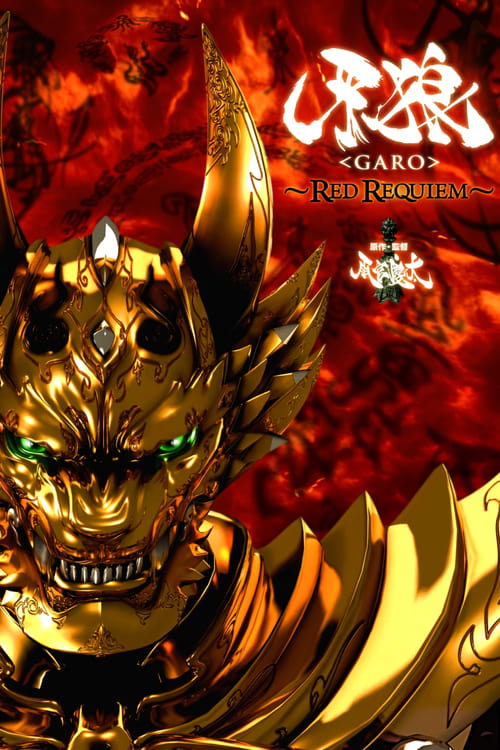
GARO: Red Requiem
2010
No user ratings available yet
Representation score: 4.7 out of 10

Representation Score
Limited
2013
Director
Keita Amemiya
Runtime
97 minutes
Average Rating
No ratings yetNew Showbiz Analysis
Keita Amemiya’s dark fantasy centers on mythic duty and stylized world-building, reinforcing established genre conventions. The narrative emphasizes a solitary hero's struggle against chaos, prioritizing the preservation of order through a quasi-religious lens. This approach leaves little room for diverse perspectives or multi-layered identities. Ultimately, the film upholds a specific cultural mythos, favoring the archetype of the individualistic protector over contemporary explorations of identity.
Category Breakdown
The film follows traditional heterosexual and cisgender norms, with no representation of same-sex relationships or non-cisgender identities.
The male protagonist, Kouga Saejima, dominates the narrative, while females often play supporting roles rather than leading positions.
The cast primarily consists of actors with similar backgrounds, maintaining a culturally specific Japanese aesthetic without diverse ethnic representation.
The story emphasizes spiritual contracts and the role of a righteous warrior, focusing on traditional heroic morality rather than critiquing societal structures.
Characters are shown in peak physical condition, with no depiction of neurodivergence or physical disabilities.
Present on Screen
Limited or Absent
Official Synopsis
Garo: Soukoku no Maryu (lit. Blue Cries of the Demon Dragon) is the second film to the Garo series. The film serves as an epilogue after Makai Senki and leads up to The One Who Shines in the Darkness. The story continues after the events of Makai Senki. Having made a contract with Gajari, Kouga Saejima honors his end of the deal by traveling to the Promised Land to retrieve a part of Gajari: the Fang of Sorrow. After Kouga defeated Sigma, Gajari transported him to the Promised Land, however, his quest had unexpected results.
2010

1974

2011
2018

2019
2017

2014
2017
No reviews yet. Be the first to share your thoughts on this movie!
Use the rating form above to leave a star rating and optional review.