
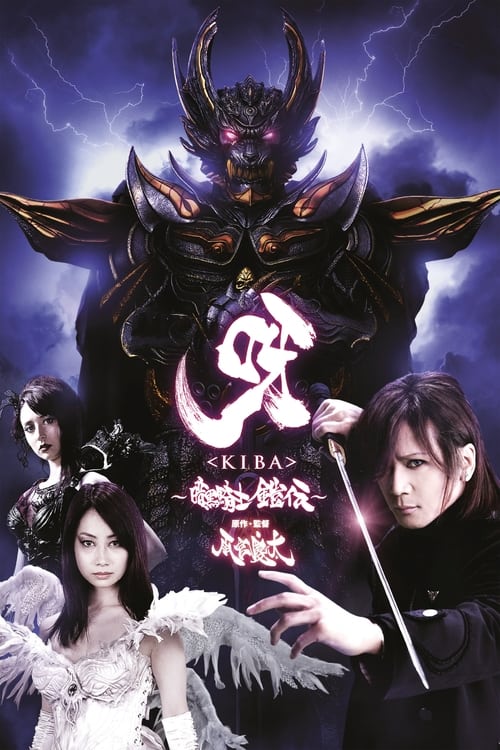
GARO - Under the Moonbow
2019
No user ratings available yet
Representation score: 4.8 out of 10
Representation Score
Limited
2011
Director
Keita Amemiya
Runtime
45 minutes
Average Rating
No ratings yetNew Showbiz Analysis
The film is a stylized dark fantasy that prioritizes mythic storytelling and aesthetic spectacle. It adheres to established genre conventions within the tokusatsu tradition rather than exploring social deconstruction. Narrative arcs focus on the struggle between humanity and monstrous instincts. The world-building is self-contained, emphasizing duty and instinct within a singular cultural context rather than diverse identities. Ultimately, the work functions as a traditional exploration of heroic archetypes. It does not seek to disrupt social hierarchies or engage with contemporary frameworks of representation.
Category Breakdown
The film focuses on internal struggles and external supernatural conflicts. It does not include characters with non-binary or transgender identities and does not challenge assumptions about straight relationships.
The story centers on male combat prowess and masculine duty. Female characters exist but do not significantly influence the plot or challenge traditional gender roles.
The cast is predominantly Japanese, fitting the genre. The fantasy setting does not incorporate multicultural elements or non-human species as racial symbols.
The narrative follows a standard heroic fantasy structure involving a supernatural order. It avoids critiques of religion or capitalism, focusing instead on traditional heroism.
Characters are defined by their combat utility and supernatural alignment. The film does not prominently depict neurodivergence, physical disabilities, or chronic illness.
Present on Screen
Limited or Absent
Official Synopsis
The spirit of Kiba the Dark Makai Knight influenced everything since the beginning. Though he called himself a Makai Knight, Kiba was no different to a Horror. Kiba's spirit resides inside what was once a grey colored Makai Armor that's filled with the dark knowledge of Makai Power. As Barago absorbed Horror after Horror, Kiba eventually deformed into an organically pure black armor with a cape. Kiba assumed full control over his host upon Meisha's defeat by Kouga.
2019
1988
2022
2001
2015
2013
2010
2014
No reviews yet. Be the first to share your thoughts on this movie!
Use the rating form above to leave a star rating and optional review.