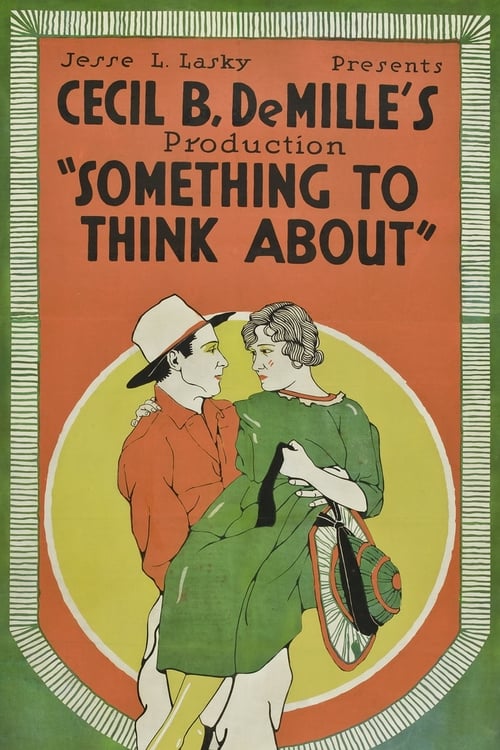
Something to Think About
1920
No user ratings available yet
Representation score: 3.2 out of 10
Representation Score
Fair
1912
Director
Alice Guy-Blaché
Runtime
13 minutes
Average Rating
No ratings yetNew Showbiz Analysis
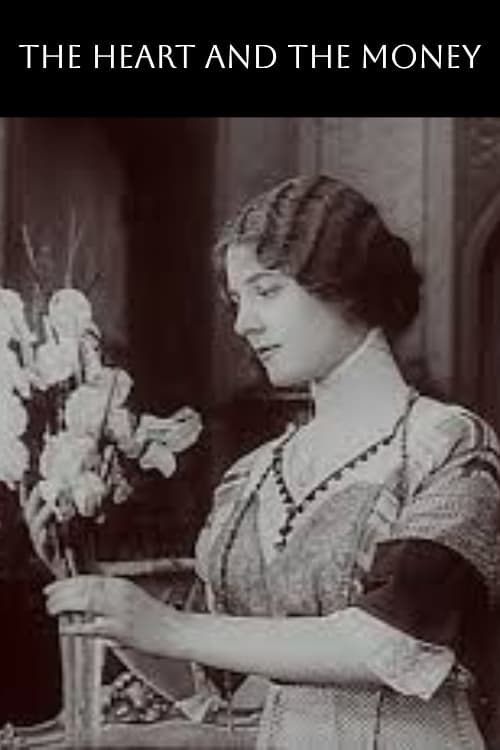
Alice Guy-Blaché’s direction offers a progressive perspective, focusing on a female protagonist whose wealth and independence play a crucial role in challenging patriarchal control. The film successfully centers a female lead who uses her economic status to assert her independence. However, the narrative is limited by the era's emphasis on class-based conflicts. It lacks racial, ethnic, or LGBTQ+ complexity, reflecting the homogeneous social structures typical of 1912. Ultimately, the film challenges traditional gender roles but remains confined within traditional Western social frameworks.
Category Breakdown
The film does not include any explicit LGBTQ+ characters or non-straight identities. The narrative emphasizes traditional marriage and inheritance within a conventional social structure.
Peggy Wilson is a central character whose economic influence drives the plot. The story highlights her struggle for autonomy against patriarchal attempts to control her through marriage.
The story focuses on specific familial class dynamics that appear homogeneous. There is no indication of racial or ethnic diversity within the described social structures.
The film critiques the commodification of marriage and rigid social hierarchies. However, it remains firmly rooted in traditional Western structures of domestic drama and inheritance.
There are no visible or invisible disabilities portrayed in the narrative. No information regarding neurodivergence or physical conditions is available.
Present on Screen
Limited or Absent
Official Synopsis
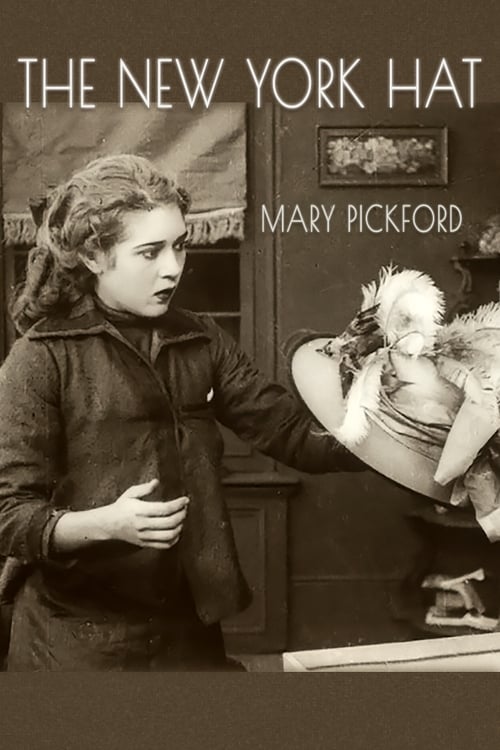
Peggy Wilson has recently become an orphan and a ward of the Waston family. She’s also inherited the late Robert Wilson’s vast fortune, which puts her very much in Mr. Waston’s favor. He would like his son, Frank, to marry Peggy, but Peggy “is not his style” and “her money is no inducement”.
1920
1920
1906
1921
1912
1912
1925
1912
No reviews yet. Be the first to share your thoughts on this movie!
Use the rating form above to leave a star rating and optional review.