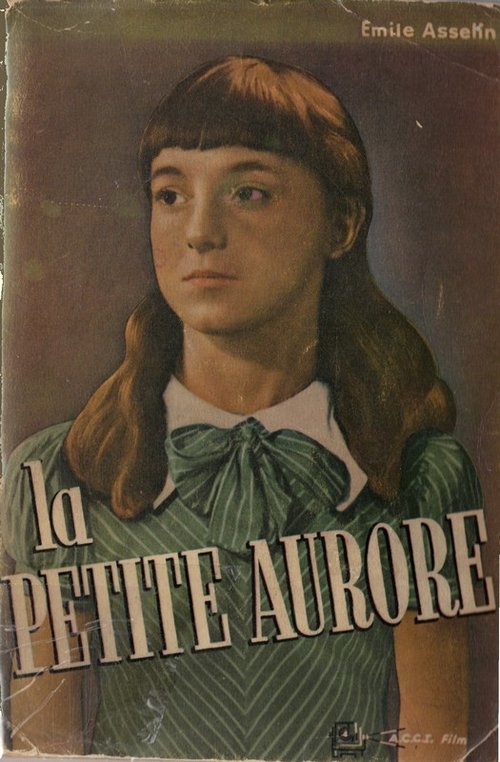
Little Aurore's Tragedy
1952
No user ratings available yet
Representation score: 3.4 out of 10
Representation Score
Limited
1906
Director
Alice Guy-Blaché
Runtime
6 minutes
Average Rating
No ratings yetNew Showbiz Analysis
Alice Guy-Blaché’s direction provides a significant historical baseline for progressive intent. Her role as a female pioneer disrupts the patriarchal structures of early cinema, even though the narrative itself remains centered on traditional family dynamics. The film moves away from the sentimentalist storytelling common in the early 1900s. By focusing on domestic friction and the burdens of familial roles, it presents a more grounded, albeit harsh, view of socioeconomic struggle. While the film lacks modern multi-layered complexity, it serves as a foundational drama that challenges idealized domesticity through its depiction of conflict and authority.
Category Breakdown
The film focuses on a traditional, dysfunctional family structure. There are no visible LGBTQ+ characters or non-straight relationships.
The film centers on a domestic power struggle involving a female protagonist. This places a woman in a position of authority, challenging common passive female stereotypes of the time.
Specific racial or ethnic diversity cannot be verified due to the historical context and limited cast data. The film is assessed based on its known socioeconomic framework.
The story explores socioeconomic hardship and the breakdown of the idealized nuclear family. It offers a complex, cynical view of domestic stability rather than moralistic depictions.
There is no evidence of characters with physical or neurodivergent disabilities within the film's context.
Present on Screen
Limited or Absent
Official Synopsis
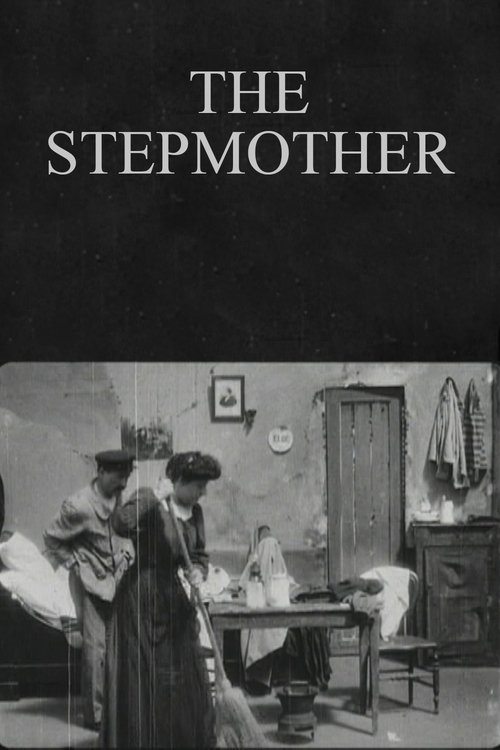
A poor boy is mistreated by his stepmother when his father isn't present.
1952

1929
1932

2003
1906

1921
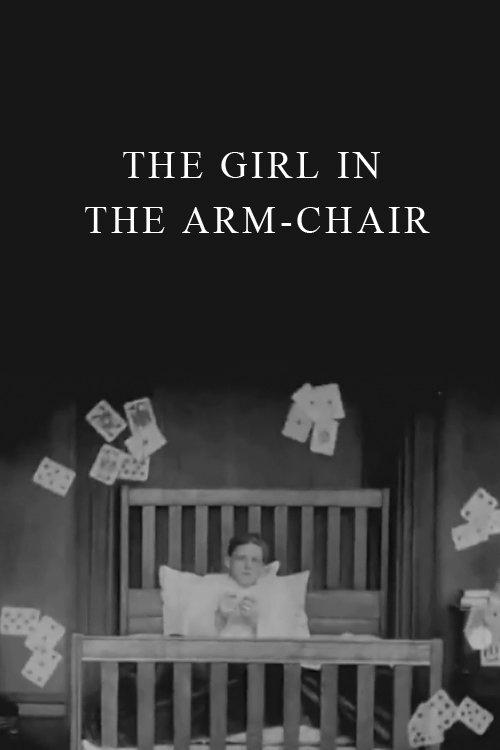
1912
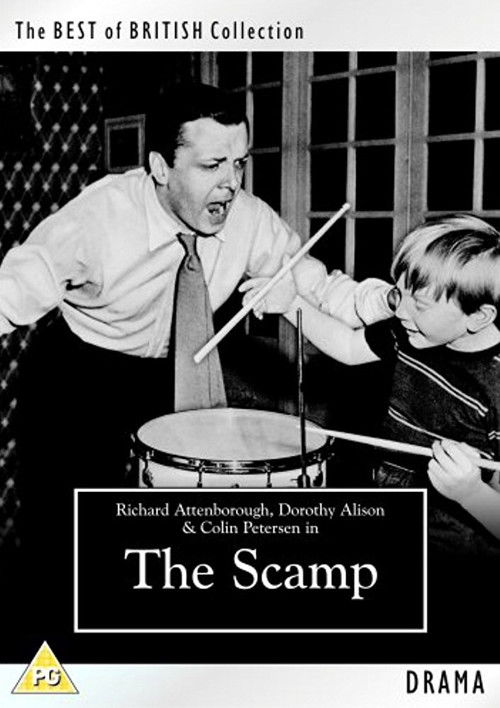
1957
No reviews yet. Be the first to share your thoughts on this movie!
Use the rating form above to leave a star rating and optional review.